The Pulse
MIT researchers use AI agent to remap physical controls for creative work
TangiMap assigns software functions to physical buttons, knobs and sliders using information about an application, device and user. Researchers demonstrated the system with photo editing, music mixing, 3D modeling and animation software.
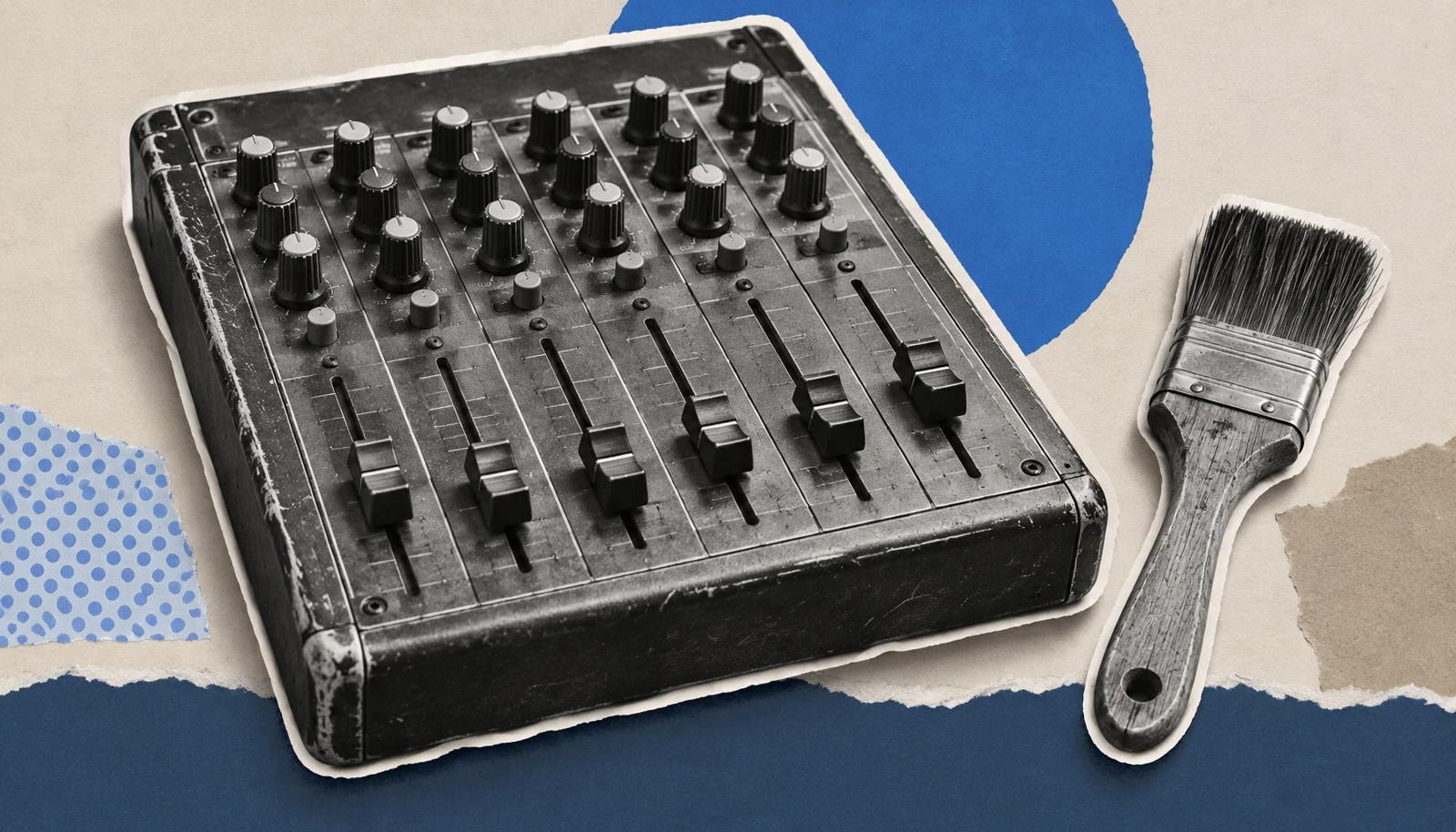
An AI system called TangiMap can give the buttons, knobs and sliders on physical devices new jobs in creative software, from adjusting photo colors to controlling an animated character. MIT News reported the research on November 24, describing how an agent gathers information about an application and a device before assigning software functions to physical controls.
The work was co-developed by Yunyi Zhu, a doctoral student in MIT’s Department of Electrical Engineering and Computer Science and a researcher at its Computer Science and Artificial Intelligence Laboratory. Zhu and Chang Xiao, an assistant professor at Boston University, presented the tool at the ACM Symposium on User Interface Software and Technology earlier in November.
Matching controls to software
TangiMap connects digital functions to tangible inputs on devices that ordinarily have their own programmed uses. The system draws on information about the software being used, the user’s tendencies and the device controlling the program.
It can gather information from an application programming interface, an MCP server that connects agents to apps, or a screenshot interpreted by a vision-language model. A large language model puts the gathered information into a file before the system maps software functions to particular controls.
Zhu said the work is part of a broader effort to make common objects reprogrammable. She said physical controls could let people interact without looking at a screen and adjust several settings at once, such as brightness and contrast while editing an image.
From photo editing to animation
The researchers used a standard mixer as a photo-editing controller for Adobe Lightroom, according to MIT News. They adjusted color with the mixer while a visualization of the controls appeared on the screen. The team also applied the approach to sound-mixing software, using knobs and faders to adjust music in real time.
For Blender, the 3D modeling program, the researchers reprogrammed a simpler mixer. Their interface let users enter a prompt and, after a model was generated, adjust features such as shininess with the physical controls.
In Adobe Character Animator, TangiMap linked expressions and movements to buttons on a control pad. Those assignments allowed a user to animate a cartoon character live.
Custom interfaces and future tests
Zhu and Xiao built a custom user interface for each application. They hope to streamline that process so a designer can generate an interface for a device by taking its picture.
The team is also considering device ergonomics and where users place their hands during different tasks. Users typically hold a mixer differently when making music than when playing a video game, for example, which could affect whether controls should be mapped closer together or farther apart.
Zhu hopes to conduct a user study to gather feedback and assess whether this kind of interaction could improve creative experiences. Her longer-term aim is to build physical objects that use AI agents to decide how to reprogram themselves for a particular situation. The work received partial support from Google’s Gemini Academic Program Award.
Sources
- Original source · Press release MIT News “Agentic system personalizes physical controls to help users “DJ their art”” news.mit.edu
Related stories
- MIT team trains small AI model to optimize analog circuits
- MIT study finds signs of shared meaning processing across 21 languages
- Google Workspace rolls out MCP servers and agent admin controls
- Aikido says ARTEX attacks expose gaps in AI pentesting controls
- Datassential adds global menu analysis and foodservice AI agent