The Pulse
MIT study finds signs of shared meaning processing across 21 languages
Researchers used multilingual AI models and brain scans to predict responses to languages the models had not encountered during training. The results suggest that speakers of different languages may share a way of representing meaning.
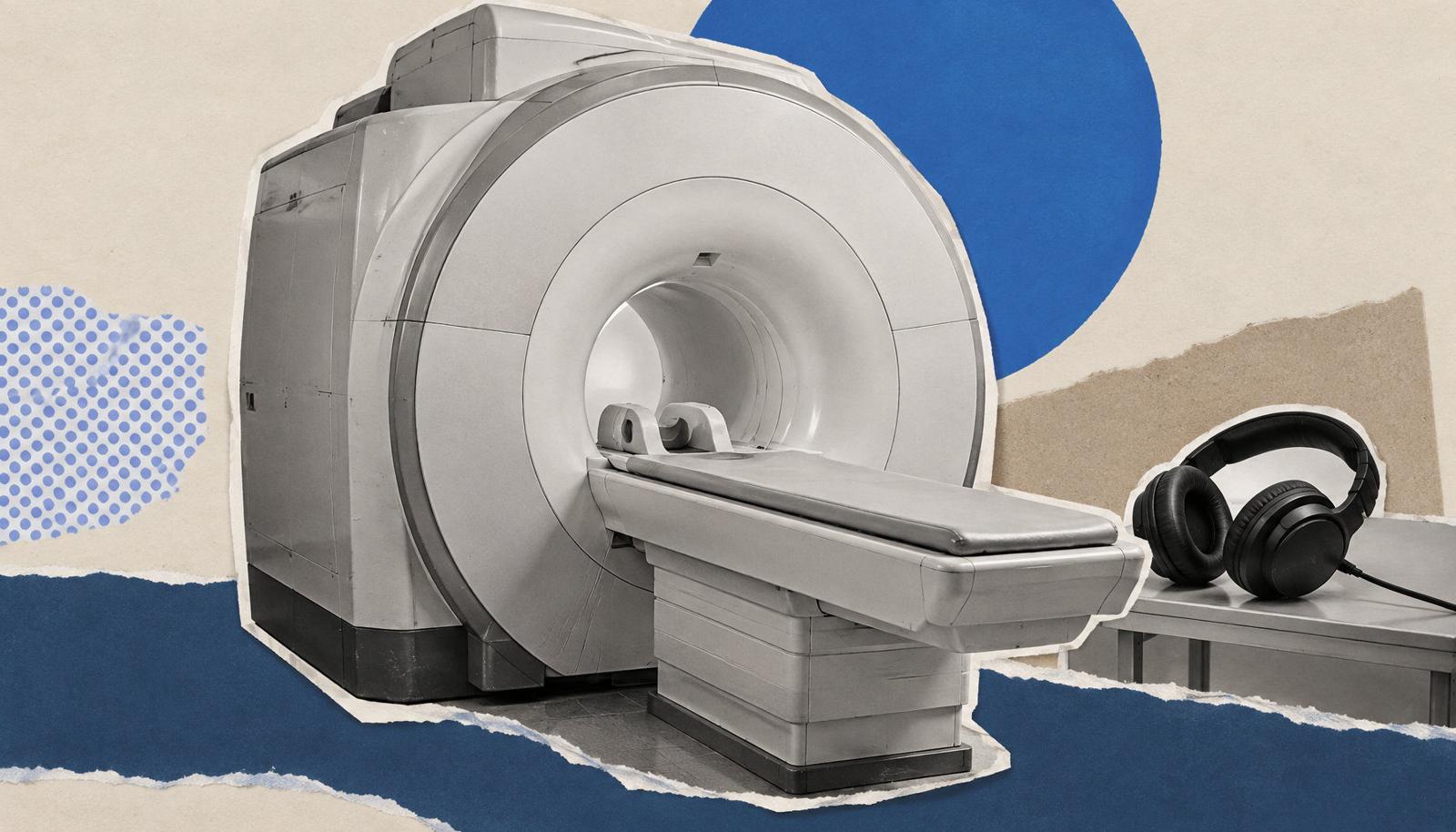
Brain scans from speakers of 21 languages show signs of a shared way of representing meaning, according to an MIT-led study that used multilingual AI to compare responses across languages. The researchers found that models trained to predict brain activity for some languages could also predict responses to languages they had not seen during training.
Source nature.com
Andrea Gregor de Varda, a postdoc in the lab of MIT associate professor Evelina Fedorenko, led the work; Fedorenko was the senior author. The paper appeared in Nature Neuroscience on November 23.
Comparing languages through AI
Researchers had already established that the same brain regions are activated by different languages. De Varda and Fedorenko wanted to investigate whether those regions also process languages in similar ways.
The team combined existing functional magnetic resonance imaging data covering 12 languages with newly collected data covering nine more. The earlier data included speakers of languages such as Marathi, Lithuanian and Vietnamese; the new group included speakers of Hindi, Arabic, Mandarin and Korean.
For the additional languages, participants listened to stories from Alice in Wonderland in their native language while researchers recorded their brain activity.
Multilingual language models gave the researchers a common numerical representation for the passages. They combined those representations with brain-scan data to build encoding models, which predict brain responses to language input.
Predictions beyond the training language
The researchers report that model representations reliably predicted brain responses within each language studied. More importantly for the cross-language test, encoding models could also predict responses in a language absent from their training data.
For example, a model trained to predict responses in French could predict responses in Vietnamese without being trained on Vietnamese, according to the MIT account of the work. The paper reports that the cross-language result held across differences in language family, the material presented and whether it was heard or seen.
Fedorenko said the similarity between models and humans across the languages was exciting. The researchers interpret their findings as evidence for a shared component related to meaning, rather than a claim that every aspect of language is represented identically.
Possible future uses
De Varda noted that languages also have features that differ and said future research could examine how those differences are represented in brains and language models. Researchers are exploring clinical uses for AI language tools, including detecting cognitive decline from brain activity during language tasks, but many studies and existing methods focus on well-studied languages such as English.
Fedorenko also described a hypothetical language-preservation application: a model might be trained in the opposite direction, using a speaker's brain images to produce language. The researchers have made processed scan data, stimulus transcriptions, audio and custom code available online.
Sources
- Original source · Paper Nature Neuroscience “A shared meaning component across languages in the human brain” nature.com
Other pages read
- MIT News “Many languages, one common neural code” news.mit.edu
Related stories
- MIT Network Builds a Learning Algorithm From Random Connections
- MIT team trains small AI model to optimize analog circuits
- MIT and Cornell study tests adapting AI text detectors to new writing
- NVIDIA releases Sigma diffusion language models in two sizes
- MIT researchers test AI copilot for structural design feedback