The Pulse
Meta Opens Muse to ESP32 and Linux Gadgets
Meta has released Muse Gadgets, open-source SDKs and firmware for connecting its Muse AI agent to ESP32 boards and Linux devices. A companion USB-C Home Link adapter connects Muse to compatible devices on a subscriber’s home Wi-Fi network.
AI.info Team · Written with AI ·
One token covers at most 50 devices
Meta’s new Muse Gadget SDK limits each access token to 50 devices—a boundary that matters as much as the open-source code. The company has released firmware and SDKs for ESP32 boards and Linux computers, giving builders a way to connect Muse to screens, buttons, sensors and other hardware.
The project site presents the tools as personal tinkering rather than a supported commercial platform. Its terms restrict tokens to personal, non-commercial use, bar embedding them in devices sold for payment or distributed as promotions, and allow Meta to suspend or withdraw access. The code carries an Apache 2.0 license, but that license does not grant a right to connect to Muse.
ESP32 boards get screens, audio and sensors
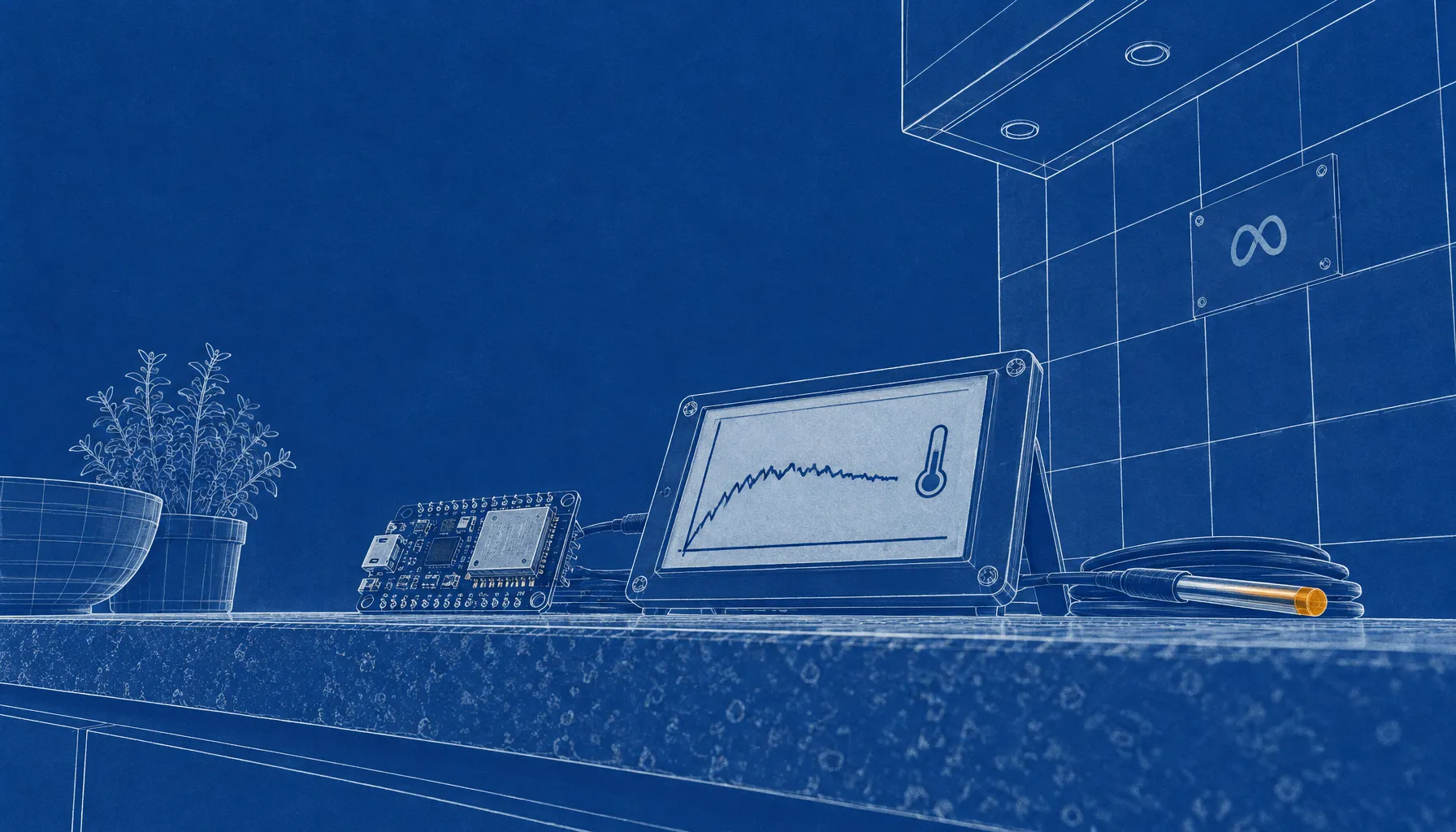
The Muse Gadgets project offers separate device SDKs for ESP32 and Linux. Meta describes ESP32 builds that can display images, handle audio input and output, or connect to sensors. A Raspberry Pi or other Linux computer can run custom commands, including tasks tied to Home Assistant.
Builders need an SDK token to pair a gadget with the Muse app on iOS or Android. Meta’s GitHub repository directs users to enable Developer mode in the app, open Settings and Devices, then look for devices named with the “MuseGadget” prefix. The repository also includes setup instructions for each device type.
Home Link is Meta’s ready-made example
Meta is also offering Muse Home Link, a compact adapter that connects Muse to compatible devices on a home Wi-Fi network. Its product specifications identify an Espressif ESP32-C5 processor, 8 MB of PSRAM, 8 MB of flash storage and Wi-Fi 6 on 2.4 GHz and 5 GHz bands. The 35-by-42-by-10-millimeter device can draw power from USB-C or USB-A.
After setup through Bluetooth LE, Home Link joins the selected Wi-Fi network so Muse can reach compatible devices or services with a local HTTP API. Meta lists community integrations for Philips Hue, Sonos, Apple TV, Google Nest speakers and Samsung TVs. The company warns that community skills may break and says not to rely on them for safety-critical uses such as home security, emergencies or medical needs.
Home Link itself runs official firmware and cannot be reflashed, unlike a DIY ESP32 board. Meta says it is free to active Muse subscribers in the United States, limited to one per subscriber, and scheduled to ship in October. Claiming a place in line is not an order.
Open-source code, controlled access
The distinction between open code and service access defines the project. The SDK and firmware are open source, but each gadget still depends on a token issued through Meta’s system to pair with Muse. The token terms say the service is unsupported, may change or stop working without warning, and can be withdrawn; builders remain responsible for device security and for explaining how a gadget handles another person’s information.
That arrangement gives hobbyists room to customize the hardware while leaving Meta in control of the connection to its agent. Meta introduced Muse in the United States on September 8 as a personal agent running in a dedicated virtual machine with its own browser. The new SDKs extend that agent from apps and browser tasks to physical controls and devices—but only while Meta continues to issue and honor tokens. How long will the company maintain that access, and will its personal-use limits leave room for community projects to grow?