The Pulse
US hyperscale data centers used about 68–99 TWh and emitted about 21–31 million metric tons, study estimates
A study estimated that 403 US hyperscale data centers used about 68–99 terawatt-hours of electricity and were associated with about 21–31 million metric tons of carbon dioxide. At COP31, countries made voluntary commitments on AI and electrification as data centers’ growing power demand drew scrutiny.
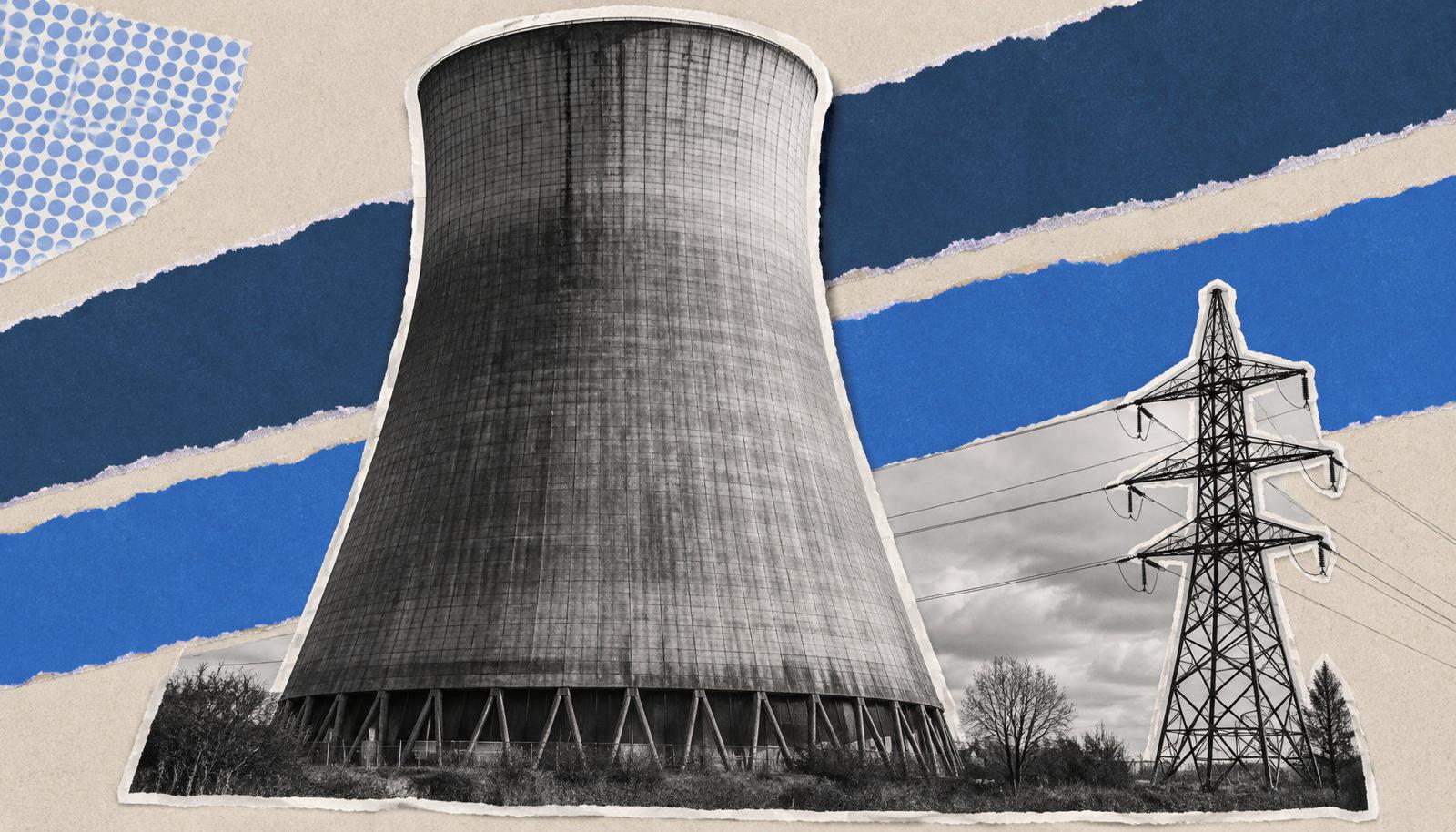
UN climate talks ended without a negotiated pact, with countries making voluntary commitments on AI and electrification. As data centers’ electricity use grows alongside the push to electrify homes and transportation, a study of 403 US hyperscale data centers estimated that they used about 68–99 terawatt-hours of electricity and were associated with about 21–31 million metric tons of carbon dioxide.
Source theverge.com
The research estimated the electricity consumption, electricity sources and attributable carbon dioxide emissions of the hyperscale facilities. The study’s estimates cover facilities operating between May 2024 and April 2025.
Data centers draw climate scrutiny
The COP31 discussions brought data centers’ power needs into the debate about emissions and the transition away from fossil fuels. Some environmental and humanitarian groups called the summit “the worst COP” ever, while countries made voluntary commitments on AI and electrification.
To meet the Paris goals, nations will need to cut greenhouse gas emissions roughly in half by 2030 before reaching net zero around mid-century. Google, Microsoft and Meta have made climate commitments, but their emissions have come under pressure as AI use expands. Meta said it is “re-evaluating” its timeline to reach net zero as it focuses on AI, and reported a 45 percent year-over-year increase in climate pollution. Google’s and Microsoft’s carbon footprints are also growing.
Data centers’ electricity consumption is forecast to double by 2030, according to an International Energy Agency forecast. “That is a huge climate risk: rising power demand from data centres is not yet sustainable, and an AI boom cannot be allowed to become a fossil fuel boom,” Bruce Douglas, CEO of the Global Renewables Alliance, told The Verge in an email. Douglas’s organization co-hosted a panel on the challenges at the summit, where he said data centers were “a key topic.”
In the United States, the country with the most data centers, power-sector emissions could rise 42 percent by 2030 as energy companies build fossil-fuel infrastructure to meet their electricity demand, a Sierra Club analysis found. Douglas said data centers are competing for grid connections, financing and electricity generation capacity with other users, including heating and air conditioning and transportation electrification.
Many technology companies match their electricity use with renewable-energy purchases. But if companies do not help build new renewable sources to meet added demand, they may draw on existing clean-energy capacity; if fossil fuels supply the additional power, overall greenhouse gas emissions rise. Douglas said data centers are “in many cases” outbidding other consumers to get power quickly, raising questions about how limited new renewable electricity should be allocated.
Estimating the US footprint
The researchers compiled facility-level information on 403 US hyperscale data centers and estimated their electricity consumption, electricity sources and attributable carbon dioxide emissions. Across facility-load scenarios, the facilities consumed approximately 68–99 terawatt-hours of electricity and were associated with about 21–31 million metric tons of carbon dioxide.
Under the study’s central scenario, electricity demand was approximately 82 terawatt-hours, equivalent to about 1.8 percent of total US electricity consumption. Attributable emissions were approximately 25.7 million metric tons of carbon dioxide. Roughly 54 percent of the generation attributed to the facilities came from fossil-fuel sources.
The study also estimated an electricity-weighted carbon intensity of approximately 314 grams of carbon dioxide per kilowatt-hour for the data centers, compared with a US total-output average of approximately 348 grams. The researchers described their work as a facility-resolved way to assess hyperscale data centers’ carbon footprint using power-plant electricity-generation and emissions data.
Sources
- Original source The Verge “AI data centers throw another wrench into chaotic UN climate talks” theverge.com
Other pages read
- Nature Sustainability “Assessing the carbon emissions and energy consumption of US hyperscale data centres” nature.com
Related stories
- Trump threatens tax on US companies building data centers abroad
- Data center power demand tied to distant deaths in MIT study
- AI inside and Hashimoto plan AI data center project in Yaizu
- Cegedim opens French data center for AI and high-density computing
- Amazon Ties Up to $8 Billion in Generac Data Center Power