The Pulse
China releases SUICE Earth-model engine alongside orbital testbed
SUICE V0.1 is designed to give general-purpose language models remote-sensing capabilities. An orbital test platform based on the Astro Light-1 satellite went online at the same time.
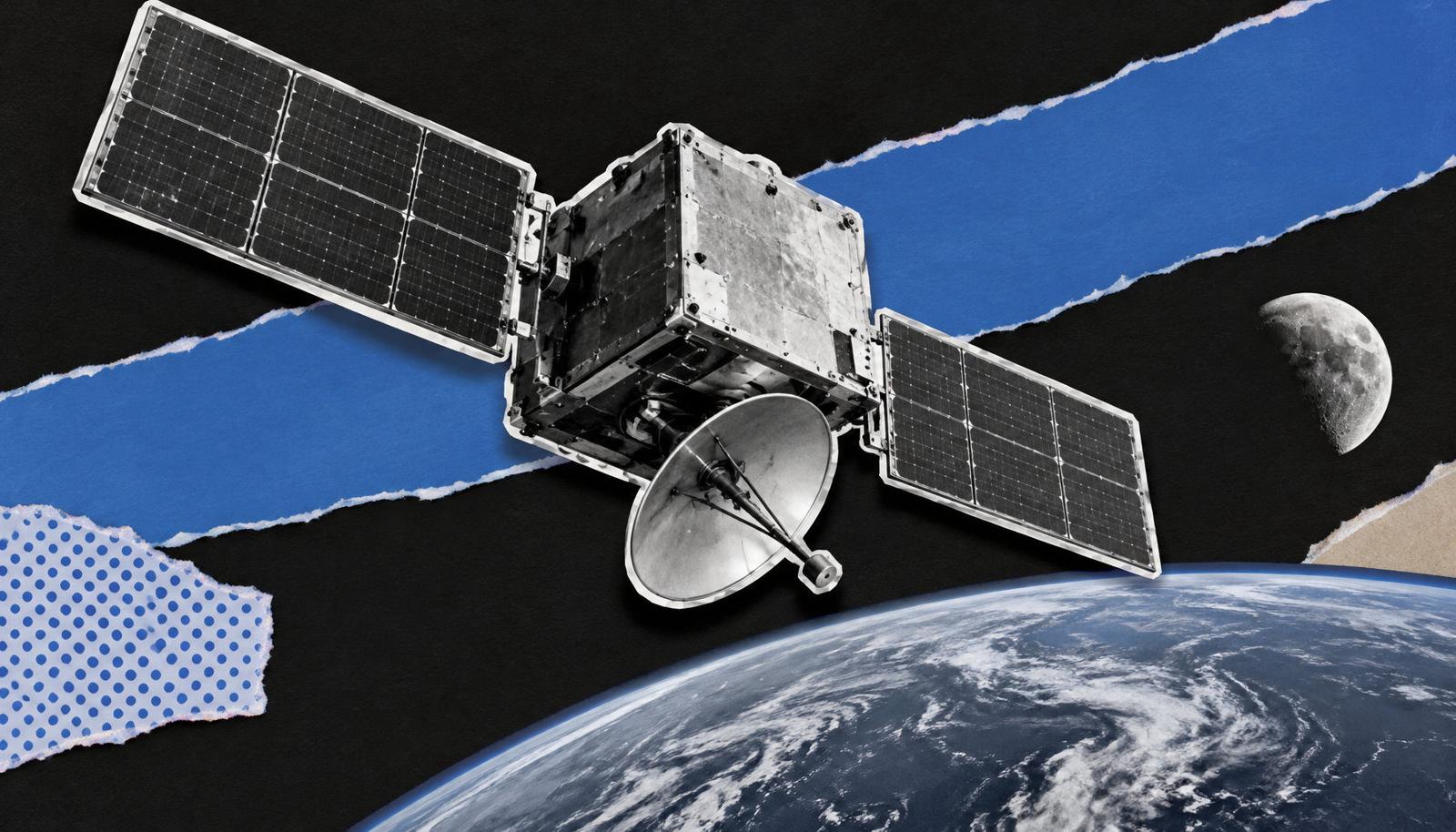
SUICE V0.1, an Earth-model engine designed to equip general-purpose language models with remote-sensing capabilities, has been released alongside an orbital test platform for a space data center. Both were presented at a space data center conference in Beijing on November 27, Xinhua reported.
The engine is intended to let users query satellite imagery and carry out remote-sensing mapping and monitoring through natural language. The separate orbital platform is built around an experimental satellite and has been used to validate inference with several large models in orbit, according to the report.
Reading satellite images
Zhang Shancong, director of the Beijing Astro-future Institute of Space Technology, said SUICE uses a bypass architecture that adds remote-sensing capabilities to a language model as modular experts. Those capabilities include segmenting features, recognizing objects and analyzing changes, while retaining language-reasoning abilities.
The institute director said the model can identify and count objects, locate them and detect changes in an area, China Daily reported. Zhang gave the example of using satellite observations to supplement an answer about the number of soccer pitches in a city.
Xinhua reported that SUICE had passed preliminary testing and, according to those presenting it, reached a leading level among comparable methods across more than ten types of tasks on multiple remote-sensing evaluation sets. Developers plan further updates to expand geographic coverage and the types of observation data used, as well as move Earth modeling from two dimensions toward three.
Testing computing in orbit
The orbital test platform is based on the Astro Light-1 satellite, China Daily reported. Xinhua said the platform incorporates a 270-volt high-voltage power bus, domestically produced radiation-resistant computing capacity of 25,000 TOPS and flexible graphene cooling.
Several large models have completed in-orbit inference validation on the platform, Xinhua reported. A representative of the academic committee of a Beijing key laboratory for space-based computing said the satellite's energy, computing and cooling tests indicated that the technical approach for very-high-power computing satellites was feasible.
China Daily reported that the platform will open the satellite's computing, power, thermal-control and tracking, telemetry and command resources to commercial space and AI companies. Companies and research institutions will be able to test their own models and satellite payloads in orbit.
Space data center plans
The Beijing municipal science and technology commission said a consortium for the planned space data center had grown from 24 to 54 organizations, according to China Daily. Zhang also told the newspaper that his institute plans to launch a second experimental satellite, Astro Light-2, next year.
Sources
- Original source Xinhua “我国发布地球大模型引擎SUICE V0.1版-新华网” www3.xinhuanet.com
Other pages read
- China Daily “Beijing advances space data hub plan” global.chinadaily.com.cn
Related stories
- China says it leads work on 78 international AI standards
- Bessent outlines U.S.-China AI risk talks and planned alert channel
- China Plans AI Rules Covering Data, Computing and Deployment
- Nvidia Sets a 51% Non-China Sales Threshold for Cloud Clients
- Apple Sets December China Launch for Apple Intelligence on iOS 27.3