The Pulse
Bessent outlines U.S.-China AI risk talks and planned alert channel
Treasury Secretary Scott Bessent said the United States and China expect to exchange practices for testing advanced AI models. The countries are also establishing a channel to alert each other to serious incidents involving their models.
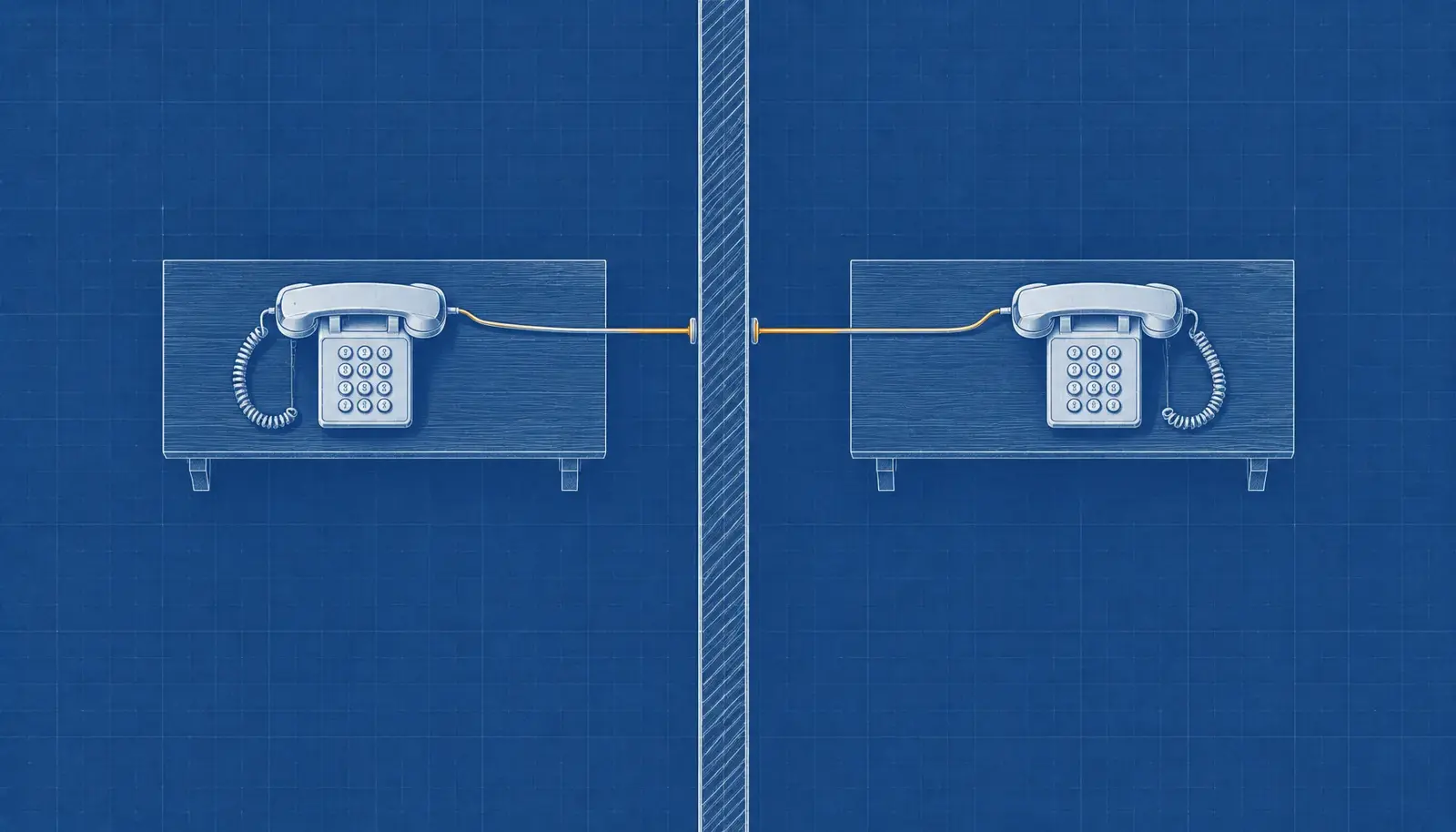
The United States and China expect to exchange practices for testing advanced AI models before release, Treasury Secretary Scott Bessent said, as the countries work on a channel for warning each other about serious incidents. He outlined the work in prepared remarks for a National Committee on U.S.-China Relations gala in New York on November 10.
At President Donald Trump's direction, the United States has begun a dialogue with China on what Bessent called superintelligence. The talks are intended to address shared risks and prevent misunderstandings between the countries' systems, he said.
Testing and incident alerts
The proposed exchange would cover ways to evaluate and test advanced models before their release, as well as approaches to keeping human judgment in control of the technology. Bessent described that exchange as something the countries expect to undertake, rather than a completed arrangement.
The two countries are also establishing a direct channel through which either can promptly alert the other to serious incidents involving its superintelligence models, he said. The channel is still being established; the remarks did not describe it as operational.
Bessent said that as superintelligence advances, the countries will need to engage in new areas of risk management. The secretary also cautioned that their interests and approaches would not always coincide, even as they work together.
Earlier agreements
The dialogue and incident channel were described in accounts of Chinese President Xi Jinping's September visit to Washington. A White House account dated September 25 said the countries had established the U.S.-China Super Intelligence Dialogue to discuss risks and benefits, with the next exchange to occur by November 2026. It also said they had agreed to establish a bilateral channel for incidents.
China's Foreign Ministry described an agreement to establish a China-U.S. AI dialogue in its September 26 account of the visit, with the next exchange in November. It also described an agreement to establish a bilateral channel for AI incidents.
An earlier AI dialogue, the first held under the two countries' economic and trade consultation mechanism, was announced by Commerce Ministry spokesman He Yadong at a regular briefing on Thursday, September 24. Chinese Vice-Premier He Lifeng and Bessent led their respective sides in that discussion.
The White House said the leaders had agreed to use the term “super intelligence” for the applicable emerging technologies. In a separate response to a question about the terminology, China's Foreign Ministry said it respected the U.S. choice of term and that the parties could continue discussions to seek consensus as AI develops.
Talks ahead for the leaders
Bessent said he would accompany Trump to Shenzhen the following week for a meeting with Xi, before a fourth encounter between the leaders in Miami. The planned Shenzhen meeting is on the sidelines of the Asia-Pacific Economic Cooperation leaders' meeting on November 18–19, according to CNBC, as reported by Quartz.
Trump visited Beijing in May and Xi traveled to Washington in September. In an interview published by CBS News on November 8, Trump said he believed AI risks could be managed and expressed concern about the United States falling behind China. He said he did not object to guardrails but did not want the United States put in a “deep second position.”
Sources
Related stories
- China Plans AI Rules Covering Data, Computing and Deployment
- U.S. Probe Put Nvidia’s Jensen Huang Near an Alleged China Spy Case
- Nvidia Sets a 51% Non-China Sales Threshold for Cloud Clients
- Apple Sets December China Launch for Apple Intelligence on iOS 27.3
- China’s AI Feature Opens to 300,000 Yuan in First-Day Sales