The Pulse
Tutor Raises $75M as Facility Count Nearly Quadruples
Tutor Intelligence announced a $75 million Series B led by Andreessen Horowitz, saying its robots are working in almost four times as many facilities as a year earlier. The funding will support model training and the manufacture and deployment of its Sonny and Cassie robots.
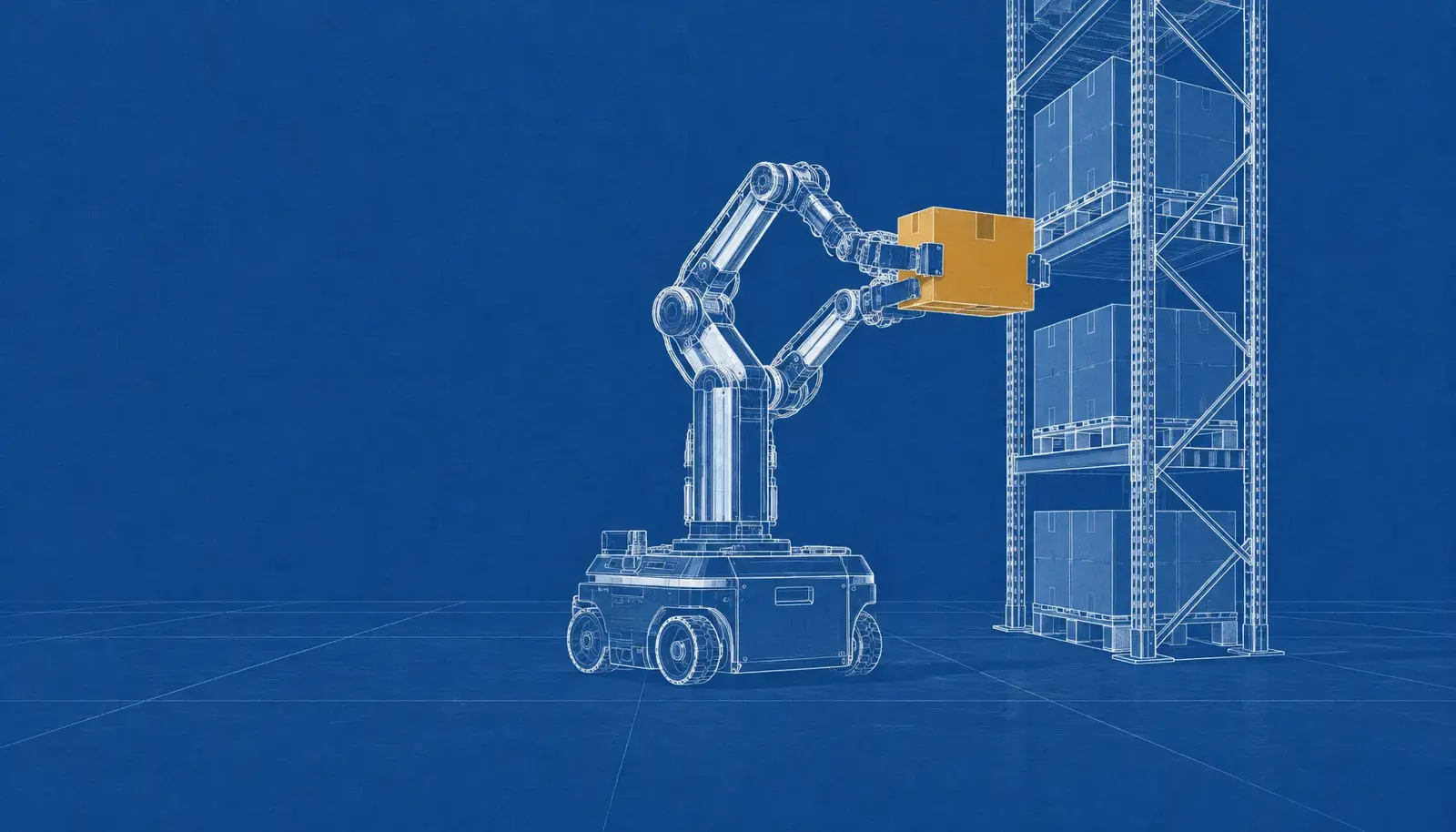
Facilities, not pilots, are Tutor’s growth measure
Tutor Intelligence’s robots are now working in almost four times as many facilities as a year ago. The Watertown, Massachusetts, robotics company announced a $75 million Series B on November 2, 2026, led by Andreessen Horowitz, bringing its total capital raised to $117 million.
Source businesswire.com
The new funding will support training robot foundation models and manufacturing and deploying the company’s two systems, Sonny and Cassie. Both run its models and perform jobs across the United States. Union Square Ventures and Neo, which led Tutor’s Series A and seed rounds, respectively, also joined the financing.
Remote tutors help turn work into training data
Tutor’s approach puts internet-connected robots into production settings, where they perform customer work with input from remote human operators the company calls tutors. Each completed task adds real-world experience data that Tutor uses to train models, with the aim of expanding the work the robots can handle and where they can be deployed.
That arrangement links commercial operations with model development: deployments bring in examples from working environments, while human guidance helps the robots handle tasks as they operate. It also means the robots are not presented as working without people in the loop. Tutor’s machines are directed by human tutors and the foundation models trained on their work.
Andreessen Horowitz general partner Raghu Raghuram described the company’s approach as a route from narrow robot skills toward broader capabilities.
“Continual learning across an expanding range of deployments is the path from specialized capabilities to general-purpose robotics,” said Raghu Raghuram, general partner at Andreessen Horowitz.
Hourly and per-pick pricing shifts the purchase
Tutor charges customers by the hour or by the pick rather than requiring them to buy robots upfront. Customers sign no long-term contract, while Tutor handles deployment and maintenance and provides regular software and intelligence upgrades.
The model makes the customer’s initial commitment different from a conventional hardware purchase: companies pay for robot work, while Tutor takes responsibility for operating and maintaining the systems. Whether that arrangement delivers savings depends on the robots’ performance in each customer’s facility; the funding announcement does not provide prices, productivity comparisons or customer-level results.
A 2027 target puts manufacturing behind the bet
More than 1,000 robots are on track to be under contract by the end of 2027, Tutor says, with the machines built in and deployed from the United States. Tutor’s current deployments span manufacturing and logistics networks and involve consumer goods including cereal, snacks, candy, cosmetics, home goods and toys.
Nearly a third of organizations that received Tutor robots in the previous 12 months were existing customers adding more machines, the company says. Repeat orders suggest some customers see value in expanding deployments, but the announcement gives no total number of organizations or facilities behind that percentage.
Sources
- Original source · Press release Business Wire businesswire.com
Other pages read
- Wedbush investor.wedbush.com
Related stories
- DeepSeek Backs Winverse AI at a Potential $400 Million Valuation
- General Intuition Raises $220M at a $6.2B Valuation
- Google says Gemini Robotics 2.5 raises task success 30% to 100% over earlier baselines
- FuriosaAI Raises $620 Million to Expand RNGD Chip Production
- Finite State raises $27 million in Series C funding