The Pulse
Pentagon Weighs $5B Fluidstack Loan for AI Power and Cooling Gear
The Pentagon’s Office of Strategic Capital is in talks to lend roughly $5 billion to AI cloud startup Fluidstack to expand U.S. manufacturing of data-center power and cooling equipment. The deal, advised by Palmer Luckey’s Erebor Bank, woul
AI.info Team ·
The Department does not comment on transactions that are either pending or in the middle of negotiations until the press release comes out.
Pentagon spokesman, speaking to The Wall Street Journal
The Pentagon is in talks to lend roughly $5 billion to AI cloud-computing startup Fluidstack, according to people familiar with the matter. The money would come from the Office of Strategic Capital, which provides loans to companies working in areas deemed critical to U.S. national security. A loan of that size would be, by far, the office’s largest to date.
Fluidstack would use the funds to shore up U.S. supply-chain and manufacturing capacity for certain data-center components rather than finance a new AI facility outright. The talks remain unfinished. Amount, interest rate and other terms could still change.
OSC’s Jump From Rare Earths to Compute
The Office of Strategic Capital launched under the Biden administration to finance physical inputs of the defense industrial base. Previous conditional loans include $500 million to Phoenix Tailings for a rare-earth processing plant and $725 million to Energy Fuels for a separation and metallization facility. Combined, those two deals totaled about $1.2 billion.
The office has also backed drone makers Unusual Machines and Neros. Reaching toward commercial AI compute would mark a shift in scale and purpose. President Donald Trump signed an executive order last month declaring a national emergency and banning some foreign equipment in the U.S. electricity grid that supplies data centers.
Fluidstack operates as a neocloud: it rents GPU and TPU capacity and runs supercomputer projects inside third-party sites. It has leased locations in New York, Indiana, Louisiana and Texas. The company relocated its global headquarters from London to New York in December 2025 after founding in 2017.
Jane Street’s $18 Billion Mark and Anthropic’s $50 Billion Deal
On September 3, Fluidstack closed a $1.5 billion round led by Jane Street that valued the company at more than $18 billion. Earlier in 2026 it raised an $830 million Series A at a $7.5 billion valuation, led by Situational Awareness. Total equity raised now exceeds $2.6 billion. The firm and partners have also taken on more than $15 billion in debt, according to SEC filings.
In November 2025 Anthropic signed a $50 billion agreement for Fluidstack to build custom data centers in Texas and New York. Google has provided financial backstops on related leases so Fluidstack can raise capital at lower cost; if Fluidstack fails to perform, Google assumes the lease or pays termination fees. By April 2026 Fluidstack held $6.7 billion in contracted revenue backed by Google.
“Fluidstack’s cofounders have been able to land meetings and contracts with big names in Silicon Valley because they’ve demonstrated an ability to scale data centers quickly and hit tight deadlines,” says Alex Bouzari, CEO and cofounder of AI data storage company DDN, a Fluidstack supplier.
Erebor Bank Advises the Application
Fluidstack is being advised on the loan by Erebor Bank, started by Anduril founder Palmer Luckey, an early supporter of Donald Trump. Luckey opened the bank in February 2026 with backing from Palantir co-founder Joe Lonsdale. By the time of the Pentagon talks it had gathered more than $4.6 billion in deposits. Erebor targets hard-tech, defense and energy companies that traditional lenders often avoid.
Neither the Pentagon, Fluidstack nor Erebor has issued a public statement confirming the discussions. Reuters said it could not independently verify the Journal’s reporting. The Department of Defense and Fluidstack did not immediately respond to comment requests.
Upstream of the GPU Halls
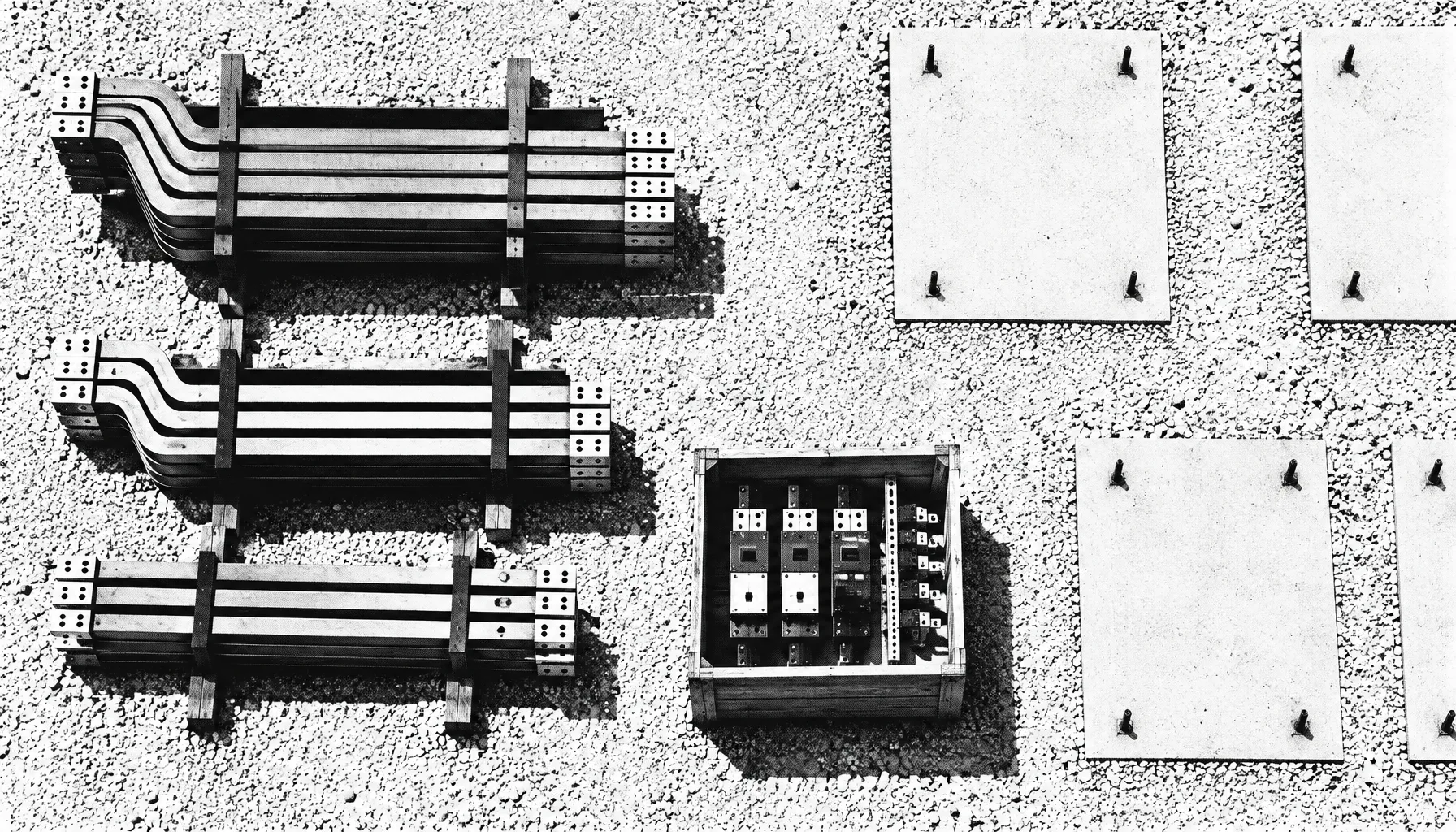
The proposed use of proceeds targets power-delivery systems and cooling gear—the equipment that moves electricity into GPU clusters and removes heat. That sits upstream of the buildings and chips themselves. Fluidstack already leases sites and has begun construction on projects including a $4 billion first phase in Cameron County, Texas.
An investment memo circulating among backers claimed the company was on track to manage up to 1.3 gigawatts across more than 10 sites in 2026, with revenue projected at $660 million. The company has told new hires it wants 50 gigawatts of power by 2030.
The talks put the U.S. military among the financiers of civilian AI infrastructure already paid for commercially by Google and Anthropic. Whether the parties reach a signed agreement, and on what exact terms, remains the next concrete step.