The Pulse
Pentagon Probe Blames AI Reliance in Iran School Strike
A Pentagon investigation found that flawed intelligence, outdated imagery and excessive reliance on Palantir’s Maven system contributed to a February missile strike on an Iranian elementary school. The attack killed more than 150 people, in
AI.info Team ·
Military officials knew within hours
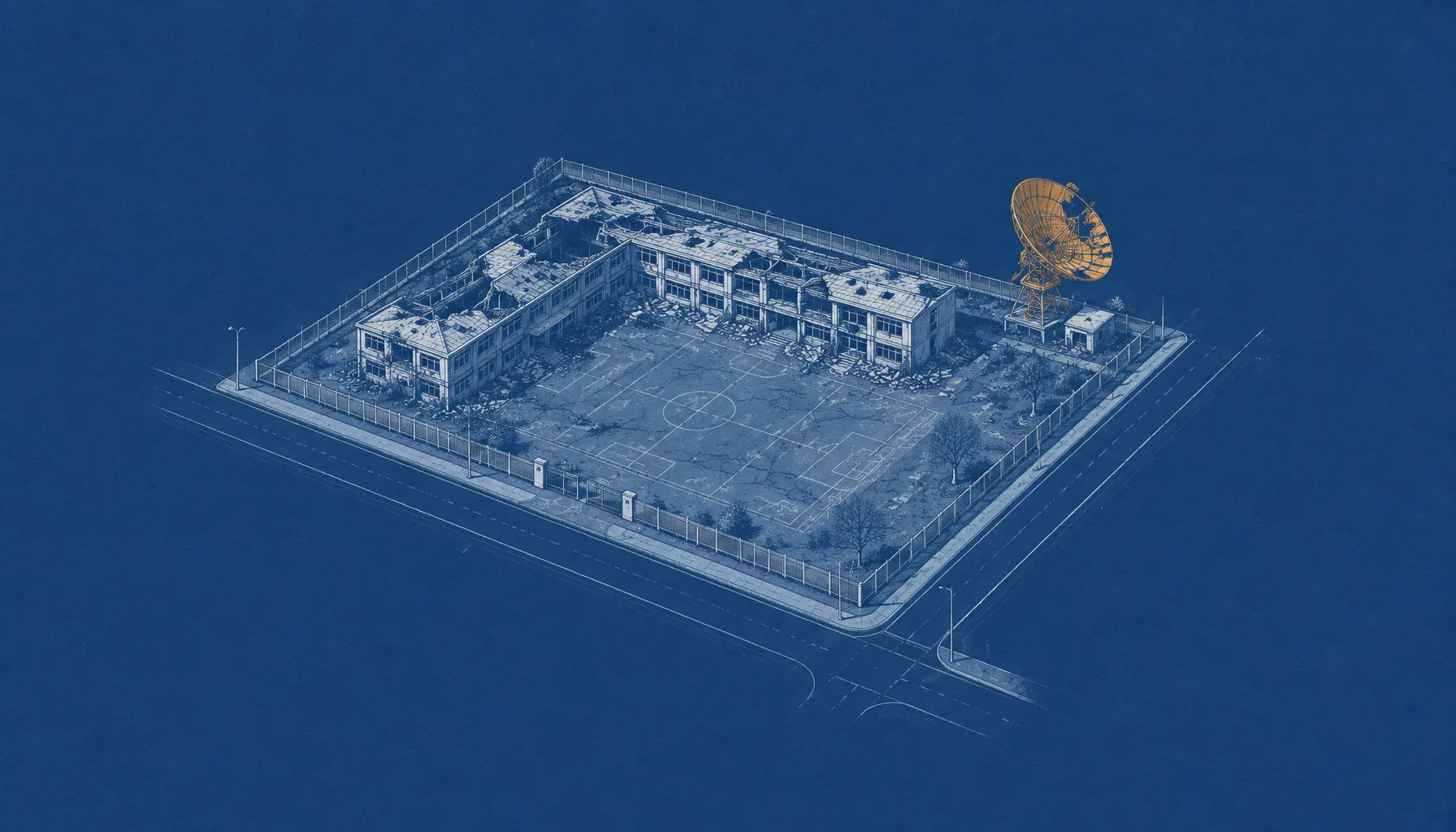
Within hours of the Feb. 28 missile strike on Shajarah Tayyebeh Elementary School in Minab, Iran, Pentagon personnel knew that American forces had likely hit the site, according to a Bloomberg investigation published Sept. 18. The internal probe found not one isolated mistake but a sequence of failures involving stale intelligence, old imagery and excessive confidence in an artificial-intelligence system used during targeting.
Two Tomahawk missiles struck the school building and its grounds in southern Iran. Bloomberg reported that more than 150 people died, including at least 123 children, making the incident the deadliest American targeting error involving children in the 21st century.
The school stood on land that had once formed part of a military compound. By the time of the strike, however, the site had been converted into an elementary school. Information identifying the building as a school existed in U.S. intelligence systems but did not reach the database used to develop the target package.
How Maven entered the targeting chain
Some personnel at U.S. Central Command relied too heavily on the Maven Smart System, officials involved in the investigation told Bloomberg. Developed by Palantir Technologies, Maven allows military users to combine and coordinate information from more than 150 sources, presenting a consolidated picture for operations ranging from target selection to command and control.
Officials said some Centcom personnel expected Maven to identify stale data or inconsistencies in the intelligence assembled for potential targets. The investigation has not established why they believed the system would perform that task. In the Minab case, the system did not prevent old imagery and incomplete site information from moving through the targeting process.
The technology did not authorize the strike by itself. Human officials reviewed the target, considered whether the intelligence was sufficient and assessed whether reasonable precautions had been taken to reduce civilian harm. The answer presented to the senior commander was yes.
A warning failed to reach the target database
Earlier reporting reviewed by Bloomberg found that an intelligence analyst had noticed changes at the site as early as 2019. The analyst recorded remarks in a digital tool that was not connected to the primary database used for military targeting, so the information did not reach the officials responsible for preparing the strike.
Imagery used by targeting officials had not been updated for years, according to people familiar with the investigation. The school therefore remained absent from the authoritative records used to identify protected civilian locations, even though analysts had previously seen evidence that the site had changed.
The failure exposed a long-standing problem in the Pentagon’s information systems. A separate intelligence review described difficulties moving data among multiple databases, while the military’s legacy targeting system still serves as the main repository for target and no-strike information. The Pentagon is working to replace it with a more automated system, but the transition is behind schedule.
Washington has not released the findings
The Pentagon has not publicly accepted responsibility for the strike or released the investigation’s conclusions. Defense Secretary Pete Hegseth has said the department will publish the findings when the review is complete.
President Donald Trump has repeatedly questioned whether the United States was responsible. On July 14, he told Fox News, “I don’t think anybody’s going to ever be able to say what happened there.” Bloomberg reported that officials involved in the Pentagon inquiry reached a different internal assessment within hours of the attack.
More than 120 House Democrats wrote to Hegseth in March seeking answers about the strike and the role of artificial intelligence, including Maven, in identifying the school as a target. The Pentagon has not publicly responded to those questions, citing the continuing investigation.
UN experts call the strike a possible war crime
The political pressure increased after United Nations-backed investigators said on Sept. 17 that there were reasonable grounds to conclude that the school strike amounted to a war crime. The experts said the school appeared to be the intended point of impact rather than the site of an accidental blast or collateral damage from an attack on the adjacent military compound, according to The Associated Press.
The experts based their findings on interviews, satellite imagery, photographs, videos and other documentation. The U.S. State Department rejected the report’s conclusions, saying the administration did not give credibility to findings from the U.N. Human Rights Council, which the United States had left.
Bloomberg’s reporting places the Minab strike inside a broader dispute over whether military AI improves judgment or merely accelerates decisions built on defective information. In this case, the software helped organize the data available to commanders, but it did not correct the missing school designation, surface the analyst’s warning or stop human officials from approving the target.