The Pulse
NVIDIA plans Rubin HPC GPU for scientific computing in 2028
NVIDIA says its planned Rubin HPC GPU will have more than 50,000 CUDA cores and is expected to be available in 2028. The chip is designed for simulations and data processing used in scientific and engineering workflows.
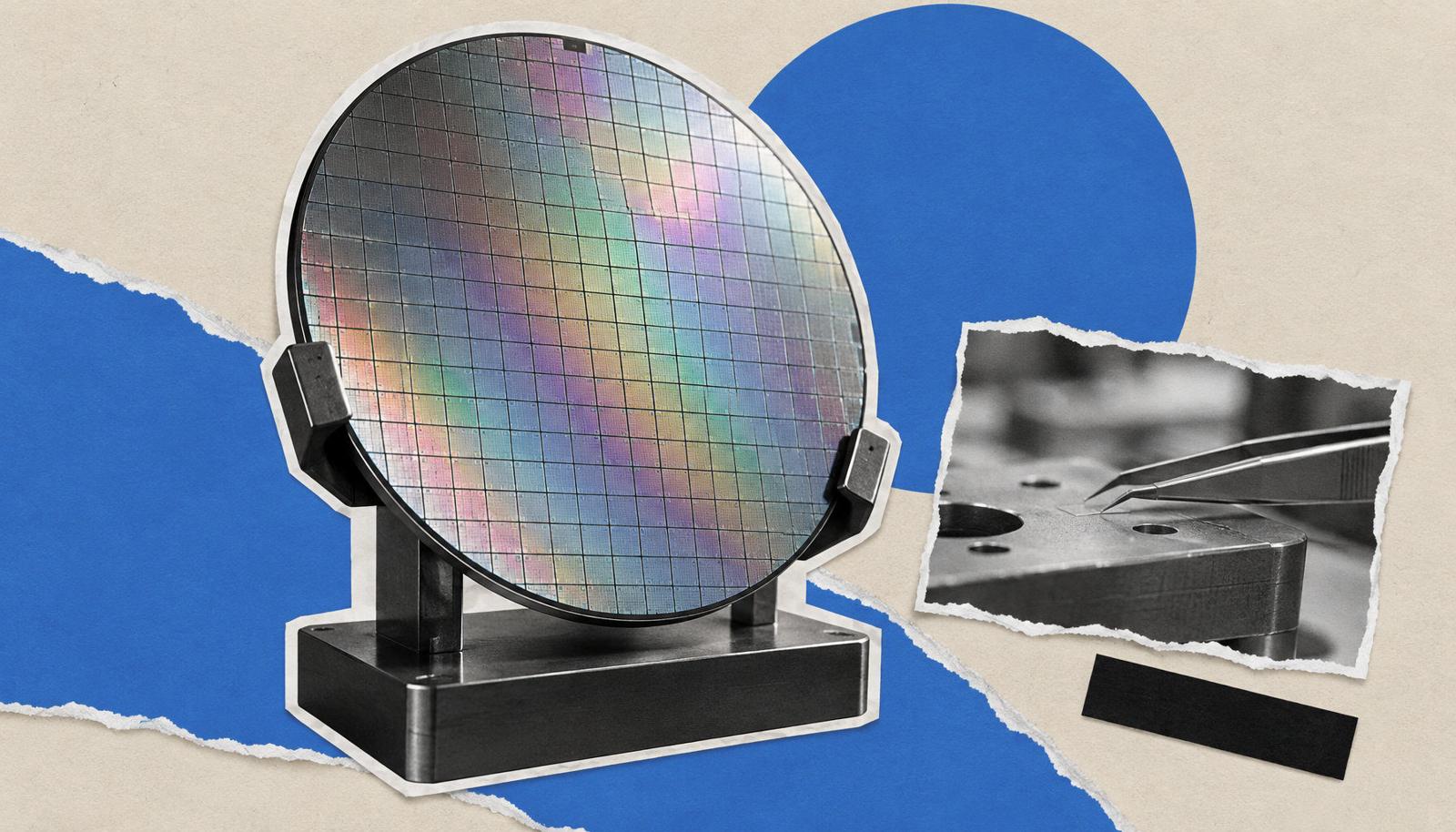
NVIDIA plans a scientific computing GPU with more than 50,000 CUDA cores on a single chip, which it says will accelerate simulations used by AI agents in science and engineering. Rubin HPC is expected to be available in 2028, according to the company's November 16 post.
The chip was announced at SC26 as part of the NVIDIA Vera Rubin platform. It is designed for simulation and data processing across science, engineering and analytics workflows.
Compute and data movement
Rubin HPC will pair its CUDA cores with a sparse data acceleration capability intended to keep them supplied with data. The GPU will use seventh-generation NVIDIA NVLink technology for GPU-to-GPU connectivity.
The company describes the design as an effort to scale data movement alongside computing capacity. It says scientific applications often repeatedly gather scattered values from large datasets and calculate results, a pattern found in fields including climate modeling, genomic analysis, engineering simulation and financial risk.
The workloads include sparse matrix operations, stencil computations, sorting and reductions. NVIDIA says accelerating these recurring operations can help with simulations used across science and engineering.
Agents and simulation
The intended users include scientists and engineers working with agents to explore candidate materials, molecules and designs. NVIDIA says simulations can test those ideas and help guide subsequent steps.
“For agents tackling science and engineering, faster simulation means faster discovery,” said Ian Buck, NVIDIA's vice president of hyperscale and high-performance computing. The company expects faster agent-invoked simulations to shorten the cycle of hypothesis, simulation and refinement.
NVIDIA's CUDA-X libraries provide optimized implementations of algorithms for agents, including algorithms relevant to simulation and analytics. The company says the libraries can be used alongside Rubin HPC.
The Vera Rubin platform
In June, NVIDIA described Vera Rubin as a platform combining Rubin GPUs and Vera CPUs with networking components in a direct liquid-cooled architecture. The platform is intended to bring together high-precision simulation, AI and data analytics for workloads such as climate modeling, computational fluid dynamics and quantum chemistry.
In that earlier release, NVIDIA said a Vera Rubin supercomputing system with up to 144 GPUs could deliver performance on par with systems on the TOP500 list of powerful supercomputers.
At the Leibniz Supercomputing Centre, the Blue Lion system was scheduled to come online in 2027, according to the June release. The company said it would support research in astrophysics, environmental science and life sciences using simulation, machine learning and surrogate models.
Vera Rubin NVL4-based systems were expected to be available from global system manufacturers in the fourth quarter of 2026, NVIDIA said in June. NVIDIA says Rubin HPC is expected to be available in 2028.