The Pulse
Norway Moves to Restrict AI Glasses in Public Places
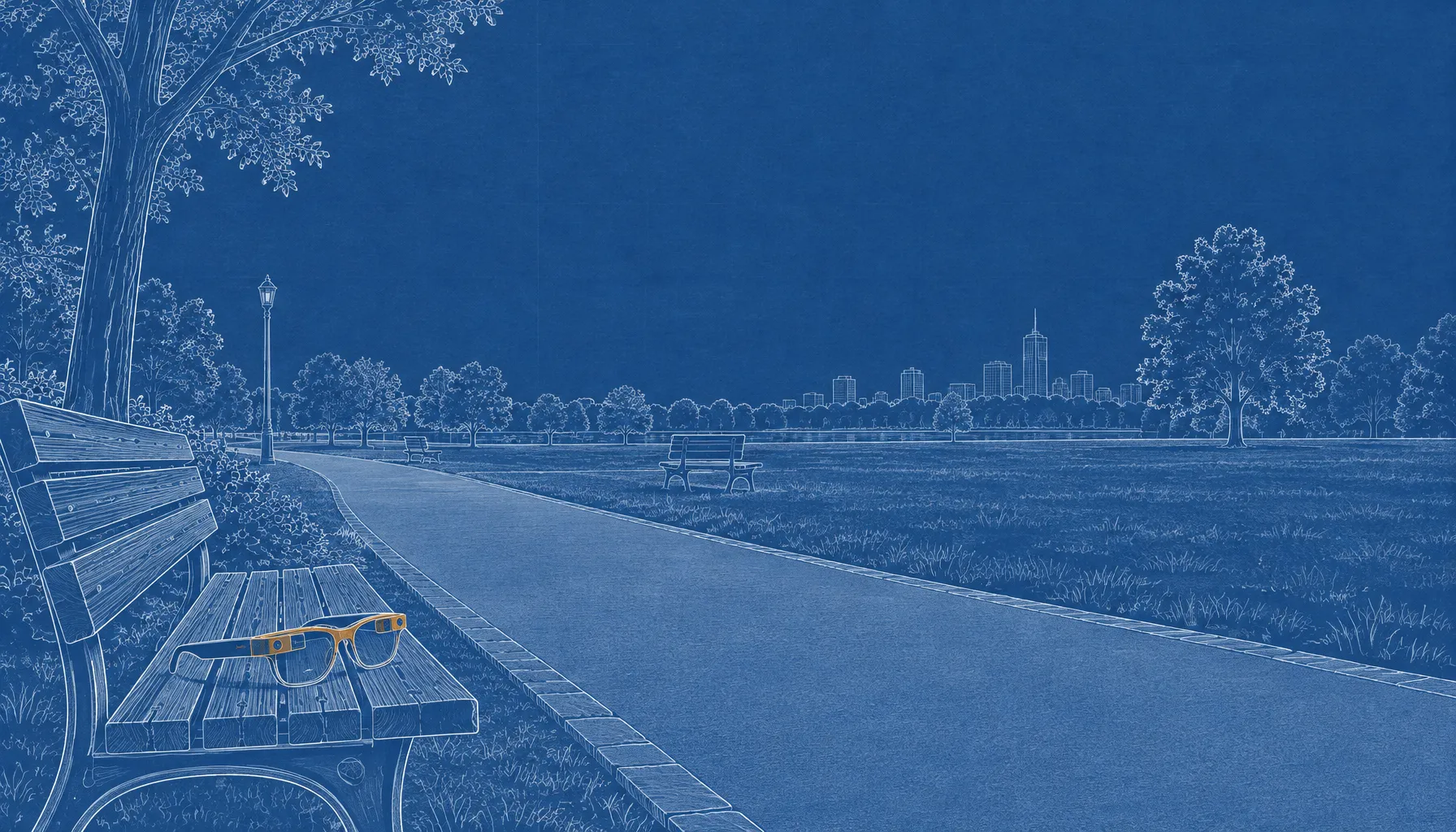
Norway’s government plans to propose a temporary ban on AI glasses in selected public places, including parks, schools and healthcare facilities. The bill’s scope and exceptions remain under review, alongside a separate expert inquiry into
AI.info Team · Written with AI ·
Norway’s government wants to limit where people can wear AI glasses, while stopping short of banning the devices outright. On October 5, it announced plans to bring a temporary ban to parliament for selected places, citing the risk that people could be photographed, filmed or recorded without their knowledge.
The proposed restrictions could reach beyond schools and other settings involving children to parks, beaches, museums, shopping centres, public events, healthcare facilities and gyms with changing rooms or showers. The government says the goal is to give lawmakers time for a fuller assessment before permanent national rules take shape. The proposal is not yet law, and its boundaries have not been settled.
Micaelsen sets out the privacy concern
“Jeg er urolig for at det introduseres ny, kraftig teknologi der folk risikerer å bli fotografert, filmet eller tatt lydopptak av uten at de vet det,” digitalisation and public governance minister Torgeir Micaelsen said in the government announcement. He said the temporary measure would allow time for a thorough review and informed public debate.
The government argues that concealed recording can make familiar public settings feel watched, potentially discouraging people from using them. At the same time, it explicitly rejects a blanket prohibition: AI glasses and other wearable technology would remain available for private use and in places where users do not risk recording others without consent.
The bill’s boundaries are still open
Officials have not yet decided which products or features a ban would cover. The review will consider whether rules should apply to glasses with cameras and microphones, glasses that combine cameras with AI functions, or other body-worn devices that use cameras, audio recording or AI.
The government says it may provide exceptions for vulnerable groups and for socially beneficial uses in limited cases. It is also considering whether universities and other higher-education settings should be included, beyond the schools, kindergartens and child-focused venues already identified as possibilities.
A shift from local action to national rules
The announcement follows a September exchange in parliament over the use of AI glasses around children. In a written response on September 22, Micaelsen said cameras in AI glasses had no place in kindergartens or schools and encouraged municipalities to consider temporary restrictions while national rules were pending.
That earlier response described an expert group and a possible ban as matters for further consideration. The October announcement commits the government to return to the Storting with a bill as soon as possible and to establish the expert group in parallel. Its broader assignment is to examine challenges posed by wearable technology and advise on permanent national regulation.
The next decision is what counts as an AI glass
The government has not named a date for submitting the bill, specified how long the temporary measure would last or set out penalties. Nor has it defined which combination of camera, microphone and AI features would put a device within the rule.
Those questions will shape whether the proposal targets AI glasses narrowly or reaches other camera-equipped wearables. For now, the government’s stated plan is a place-based restriction, with exemptions still to be worked out—not a nationwide ban on owning or privately using the devices.