The Pulse
LCH2 wins $1 million more for planned AI and energy campus
The grant brings total support for the Lewis County Clean Energy Campus to $1.4 million. The project’s planning case includes a 50-megawatt advanced-compute IT load alongside energy production from forestry residuals.
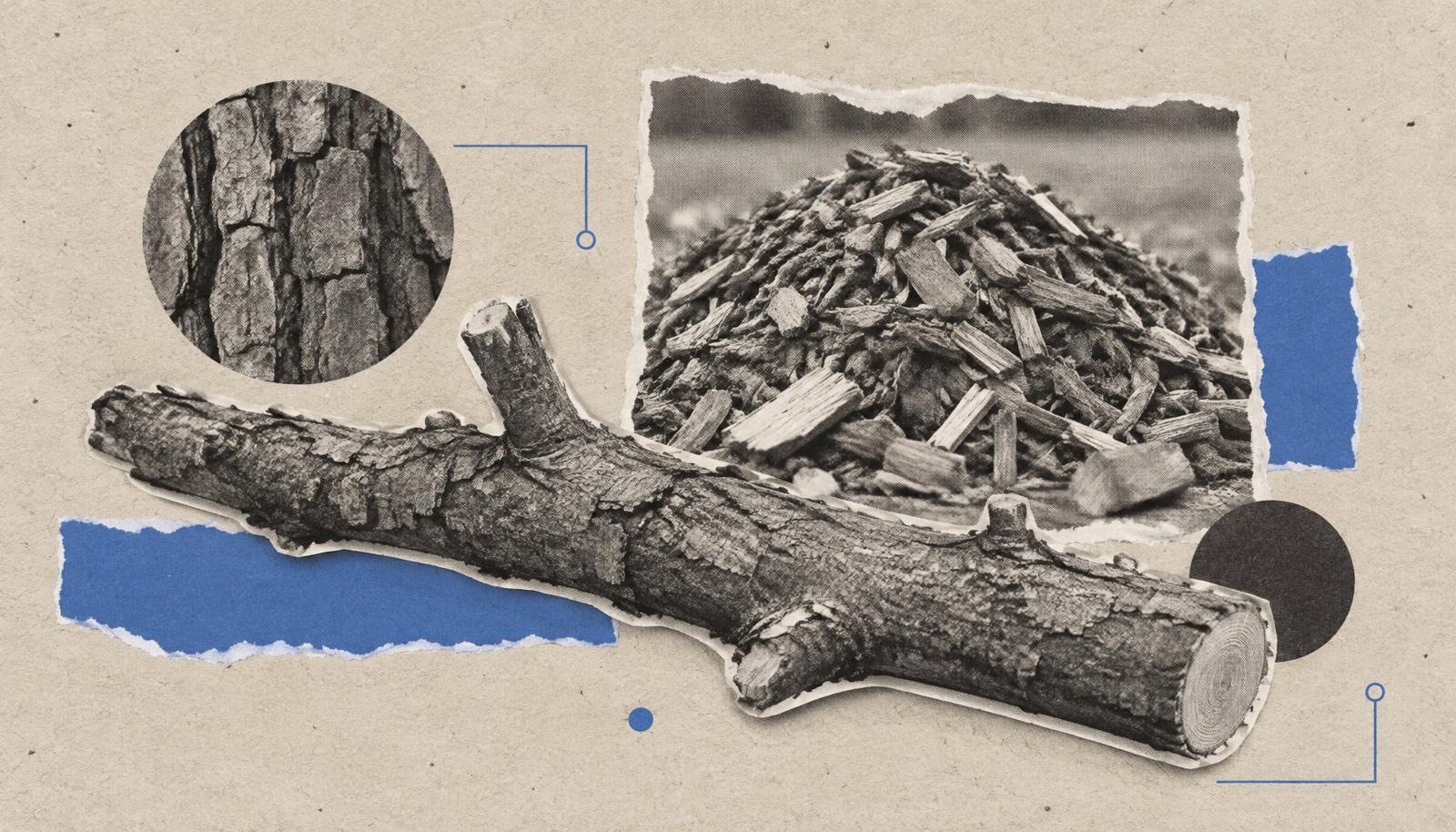
A planned Washington energy campus with an AI computing complex has received another $1 million for development, the Lewis County Hydrogen Alliance said on Nov. 12. The award brings total grant support for the Lewis County Clean Energy Campus to $1.4 million.
TransAlta Centralia Board Funding made the award through its Energy Technology Board under the Centralia Coal Transition Grants program. The project, called “From Wood to AI,” envisions producing hydrogen, carbon coproducts and dispatchable electricity from regional forestry residuals, alongside an advanced-compute complex.
Development funding
The new grant supports work on site control, engineering and permitting, as well as feedstock-supply and product-offtake agreements and project financing. An initial assessment examined feedstock and logistics, the site-selection pathway, concept-level process engineering and permitting, and supported a recommendation to advance the project.
Ken Cavallon, executive director of the alliance, said the first round of feedstock, site, engineering and permitting work had been completed. He described the next stage as securing site control, advancing engineering and permits, formalizing supply and offtake arrangements, and building a financeable commercial project.
Computing and energy plans
The alliance’s current planning case targets approximately 1,000 wet metric tonnes per day of forestry residuals and a 50-megawatt advanced-compute IT load at full buildout. Its management has set a target of more than 220 family-wage jobs; that is a project target, not an independently completed economic-impact forecast.
The nonprofit says it intends to use thermochemical conversion rather than combustion, breaking down woody material in a closed process. Forestry residuals include material left over from forest management and milling.
The hydrogen is intended for users including transit fleets, freight and industry. The process is also designed to capture carbon dioxide for potential commercial use and to provide on-site power for loads that could include data centers.
Conditions for buildout
LCH2 says the near-term work is development, not full-campus construction. Future buildout depends on site control, engineering validation, permits, commercial agreements and project financing.
The alliance is inviting forestry and logistics companies, energy and infrastructure partners, prospective hydrogen and carbon-product customers, technology providers and capital partners to engage with the project. It is also working toward site control within the Western Washington Bioeconomy Development Opportunity Zone as part of its early-stage development work.