The Pulse
Marvell and Penguin plan AI memory expansion and pooling systems
Marvell and Penguin Solutions are working on memory expansion cards and optical memory sharing across data center racks. The companies expect the cards to be available for qualification and enterprise deployment by the end of 2026.
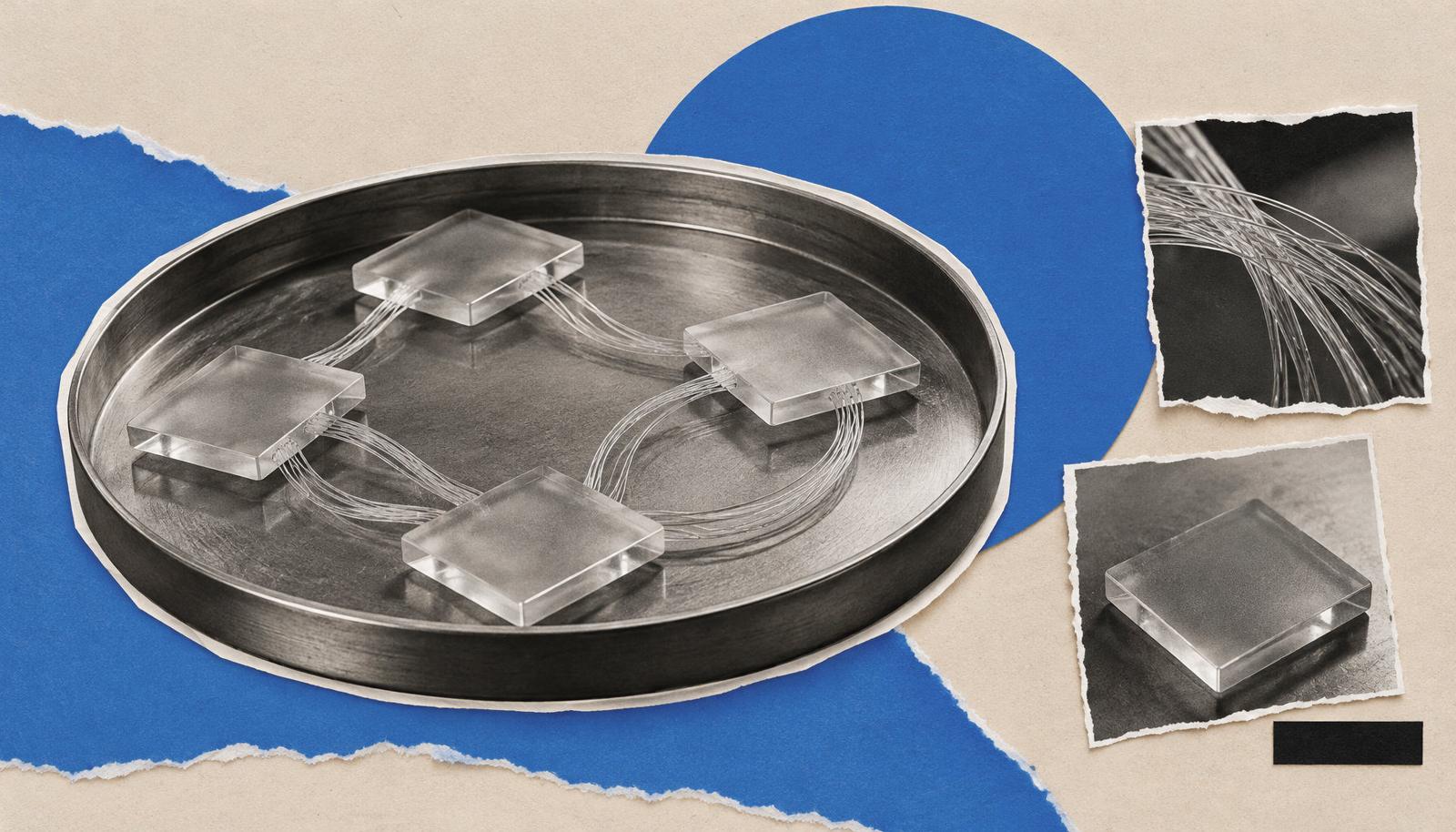
Marvell and Penguin Solutions plan to combine recycled server memory with new optical sharing technology in a collaboration aimed at expanding memory for AI inference. In a joint release on November 16, the companies outlined separate approaches for adding memory to individual servers and eventually sharing it across multiple racks.
The companies expect add-in cards using Marvell controllers to be available for qualification and enterprise customer deployment by the end of 2026. Servers developed jointly with integrated Photonic Fabric memory expansion are expected to sample in the second half of 2027.
Reusing server memory
The planned direct-attach system would put Marvell Structera X memory-expansion controllers in Penguin SMART CXL add-in cards. The approach is designed to reuse high-density DDR4 modules from decommissioned servers and connect them directly to servers through PCIe 5.0 and CXL 2.0.
The add-in cards could also be used to build dedicated CXL memory appliances, according to the companies. Those appliances would allow operators to pool recycled DDR4 capacity for allocation across multiple hosts, rather than keeping it within a single server.
Penguin separately introduced a SMART CXL-8F2W-D4 add-in card on November 12. That card uses a Marvell StructeraX controller and supports up to eight DDR4 RDIMMs as additional capacity for compatible servers. It is available for qualified customer opportunities on compatible CXL 2.0 platforms.
For reused customer-owned memory, Penguin says it carries out inspection, testing and qualification before installation; each populated card is then validated in a compatible host system before shipment. The company has also started a program to recover memory during technology refresh cycles or source it through resellers.
Sharing across racks
The companies' longer-term work centers on integrating memory modules and network interface cards based on Marvell Photonic Fabric optical interconnect technology into Penguin's MemoryAI appliances and ComputeAI systems.
The planned integration is intended to support low-latency, high-bandwidth memory sharing across multiple racks and longer distances, with petabyte-scale pools for context-rich agentic AI inference. The companies describe the direct-attach and optical approaches as a potential upgrade path from server-level expansion to shared memory across racks, without redesigning infrastructure at each step.
Capacity pressure
The companies say larger models, longer context windows and growing KV-cache requirements are pushing memory needs into hundreds of gigabytes and increasingly terabytes per node. They identify memory capacity, bandwidth and latency as constraints on AI application performance and token economics as workloads move toward inference and agentic AI.
Jihoon Han, senior technology and market analyst for memory at Yole Group, said that adding memory production capacity takes time and substantial investment, while elevated memory prices are increasing the cost of scaling AI infrastructure. Han described memory expansion and pooling, with optical interconnects to help manage latency across racks, as a promising option for meeting capacity needs while managing costs over the next few product cycles.