The Pulse
Huawei and China Unicom deploy AI system at 21 wind farms
The system uses drone imagery, AI and 5G-A networks to inspect wind turbine blades. Huawei says it is slated to cover more than 1,500 turbines and has reduced maintenance costs.
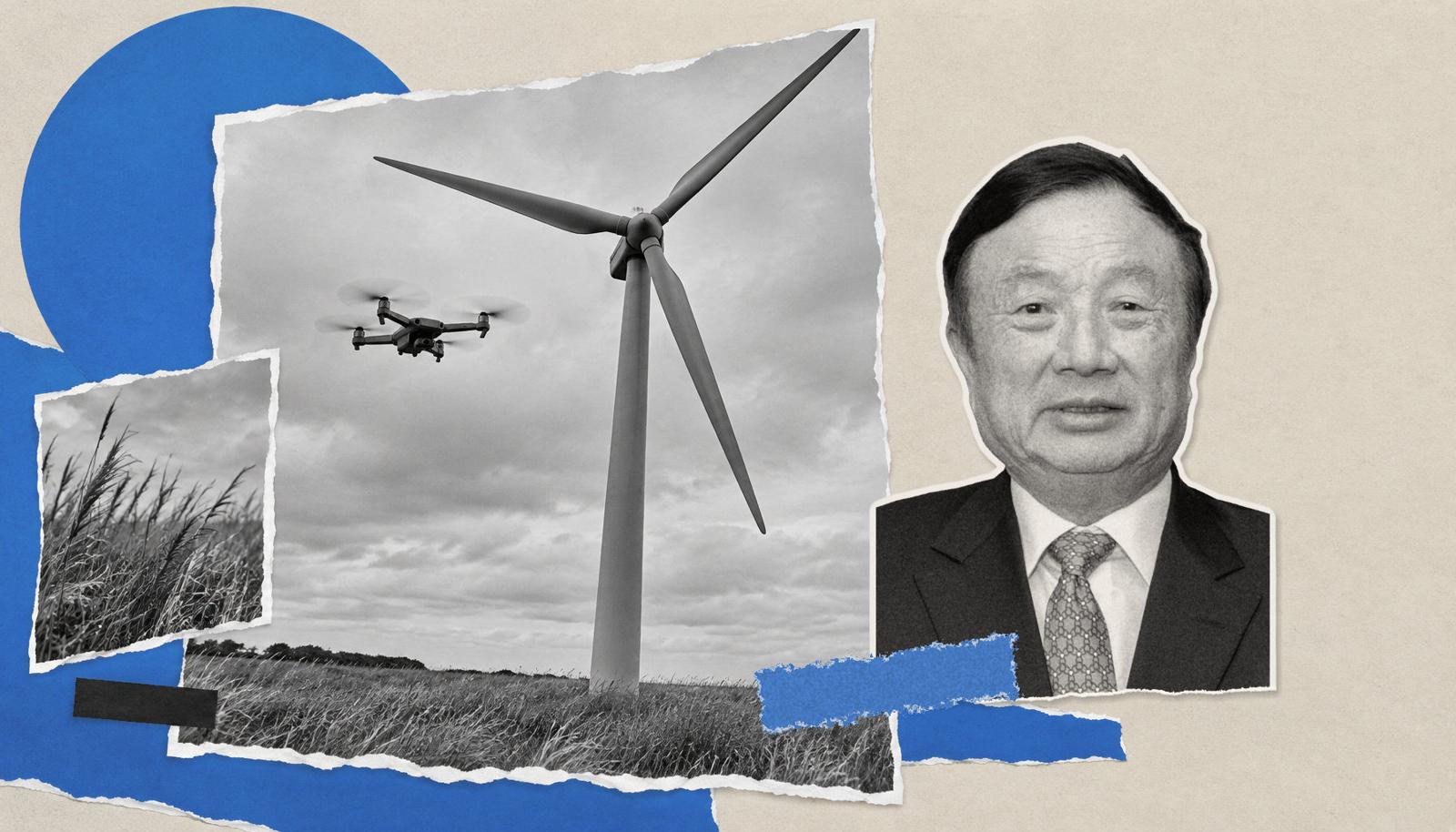
An AI-assisted inspection system has been deployed across 21 wind farms in Inner Mongolia, with drones collecting images of turbine blades for algorithms to examine. Huawei said on November 17 that it worked with China Unicom's Inner Mongolia branch and Inner Mongolia Energy Group on the deployment.
The system is slated for rollout across more than 1,500 wind turbines. It combines AI agents, edge computing and 4K drone imagery with a 5G-A GigaUplink network.
Reported savings
Huawei says the project has reduced wind farm operation and maintenance time by 10%, costs by 21% and turbine downtime rates by 15%. It expects the system to generate an additional 1.76 million kWh of green electricity annually.
The company presents the system as an alternative to inspections that require engineers to climb towers and examine turbines with the naked eye. Those inspections can involve narrow spaces and harsh conditions, with lengthy inspection cycles and a risk that early blade defects will be missed, according to Huawei.
The company says AI algorithms detect and mark blade defects in the drone footage. It says the network enables real-time footage for inspections and removes the need for engineers to climb towers for that work.
Connections inside towers
Huawei says the traditional approach faces communication problems, including signal dead zones inside towers, insufficient 4G uplink bandwidth and the high cost of deploying fiber. The project uses small cellular base stations, known as pRRUs, inside wind towers to address coverage gaps.
The company's account says macro base stations provide a stable uplink speed of at least 40 Mbps per turbine, with latency under 20 milliseconds. That connection supports the transmission of drone footage for blade inspection.
The system also moves user plane functions closer to the network edge and uses edge cloud and all-optical infrastructure to process and store inspection data on-site. User plane functions handle data transmission; moving functions such as packet forwarding and traffic control closer to users can shorten the transmission path, Huawei says.
Plans beyond wind farms
Inner Mongolia Energy Group has deployed 10 MW wind turbines in batches. Huawei describes the group as the largest power generator in the Inner Mongolia Autonomous Region and says it generates more than 36 billion kWh of green electricity annually.
As the group integrates wind, solar and storage, the project is intended to support real-time data flows from turbines, photovoltaic modules, energy storage systems and booster stations. Huawei says the communications and computing infrastructure will make the model easier to replicate.
China Unicom and Huawei plan to continue promoting the technology with the energy group and other partners. Following successful benchmark testing, they plan to expand it to other industries, including mining and chemicals.