The Pulse
HANGCHA demonstrates LINGTRA autonomous forklifts to dealers
HANGCHA showed its five-model LINGTRA autonomous forklift range at a global dealer conference in Hangzhou. The company also plans to raise more than RMB 2 billion for a factory expected to begin operations in 2030.
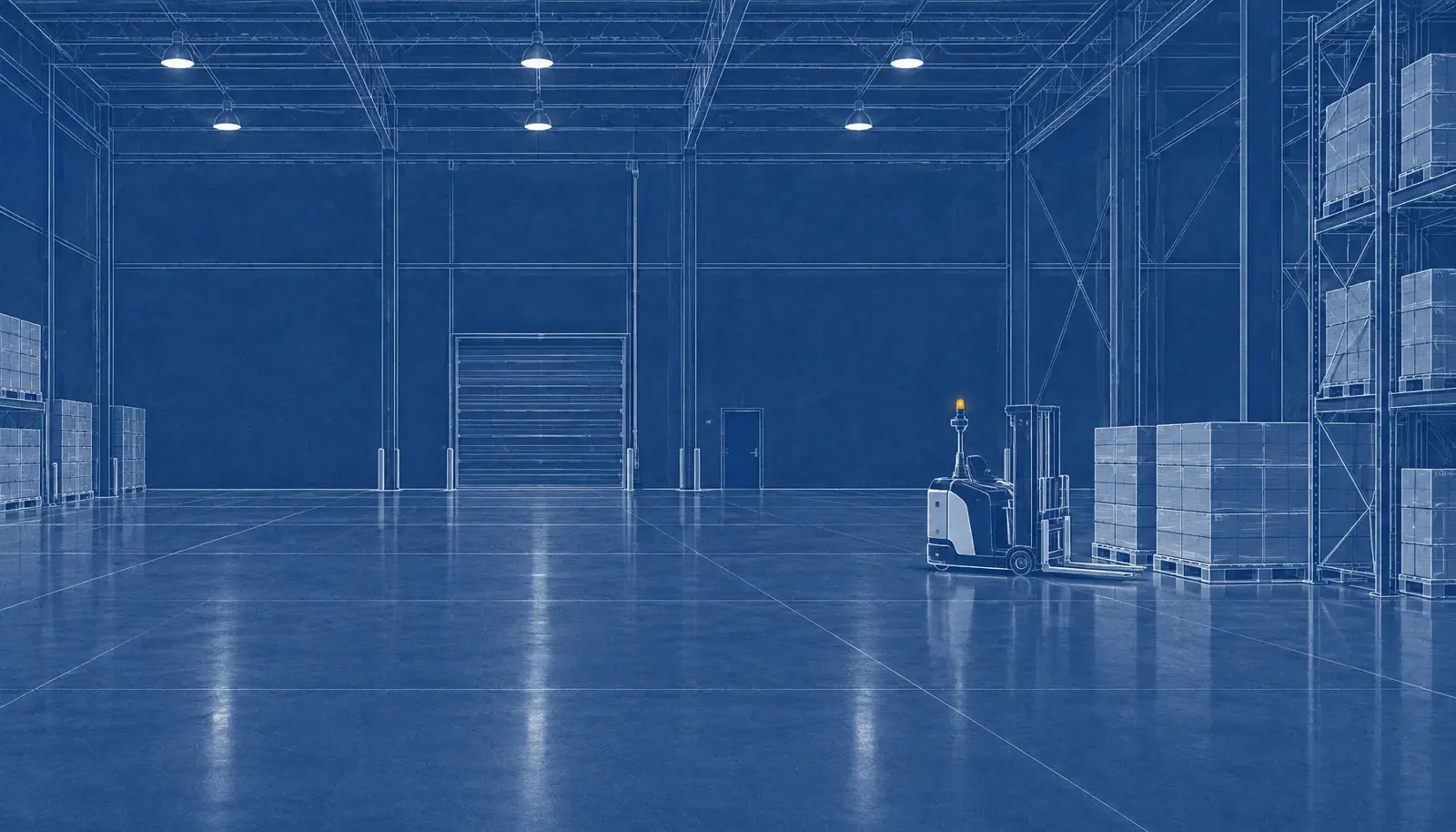
HANGCHA showed dealers its five-model LINGTRA autonomous forklift range at a conference in Hangzhou, including machines demonstrated moving pallets without a driver. At a factory demonstration, one vehicle loaded 14 pallets onto a truck in about 20 minutes, the company said.
The display took place during HANGCHA’s fourth Global Dealers Conference, which brought about 500 dealer representatives to Hangzhou on November 10. HANGCHA had previously unveiled the LINGTRA range at CeMAT ASIA in Shanghai on November 3.
Forklifts on the factory floor
The company says the vehicles use embodied AI on its electric industrial vehicle platform to interpret their surroundings and adapt to tasks ranging from moving materials to handling pallets on high racks. The forklifts use HANGCHA’s LogiMind industrial embodied AI model, which the company says can interpret tasks, plan movements and adapt to changes on site.
During the factory tour, dealers watched LINGTRA vehicles unload incoming goods, move battery packs and load wing-body trucks. The company says safety features and remote human support help the vehicles respond when conditions change.
A pallet stacker and a three-wheel counterbalance forklift appeared on stage, where CTO Dr. Robin Wang gave a live demonstration. That demonstration included a 3D digital twin map and autonomous pallet handling; according to HANGCHA, the vehicle selected another storage location when its intended spot was occupied and picked up misaligned pallets.
Five models and a task tool
The earlier Shanghai presentation listed a three-wheel counterbalance forklift at 1.6–2.0 t and a four-wheel counterbalance forklift at 3.0–3.8 t. An autonomous reach truck was listed at 1.4–2.5 t and described as designed for high-bay warehouses with dense storage.
The mini pallet stacker was listed at 1.2–1.5 t, with uses including stacking and warehouse storage and retrieval. The mini pallet truck was listed at 1.5–2.0 t; HANGCHA says it is intended for short-distance transfers and can use elevators to move goods between floors.
At the Shanghai event, HANGCHA also introduced TransEasy, a tool for setting up forklift tasks. It offers seven types of templates and a visual editor for building and reusing workflows without coding, the company says.
Factory funding plans
The company also displayed a new electric counterbalance forklift series and X Series seated and stand-on reach trucks at the dealer conference. The product exhibition occupied 12,000 square meters across four halls and included demonstrations and test drives of selected models.
HANGCHA plans to raise more than RMB 2 billion for a new factory for intelligent forklifts and reach trucks. The factory is expected to begin operations in 2030.
The company said annual forklift sales rose from 138,000 at the time of the previous dealer conference in 2019 to 334,000 units in 2025. Revenue rose from RMB 8.9 billion to RMB 17.7 billion, with overseas markets accounting for 43.4% of 2025 revenue, according to HANGCHA.
Deputy General Manager Li Yuansong thanked dealers for their contributions at the conference. The company plans to work with them on parts supply, local technical service and staff training.
Sources
Related stories
- Siemens demonstrates AI-designed grippers and plans production cell
- AMD adds MI450X accelerator and reports MI455X inference results
- AWS expands AgentCore runtime for larger AI agent sessions
- DataX launches customizable AI concierge for customer service
- ElevenLabs previews enterprise agents and model fine-tuning