The Pulse
Apple’s Claris previews Harbor for running AI models on Macs
Claris Harbor is in private preview as a way to run open-weight AI models on Apple silicon Macs. The app is designed to pool memory across Macs connected by Thunderbolt 5.
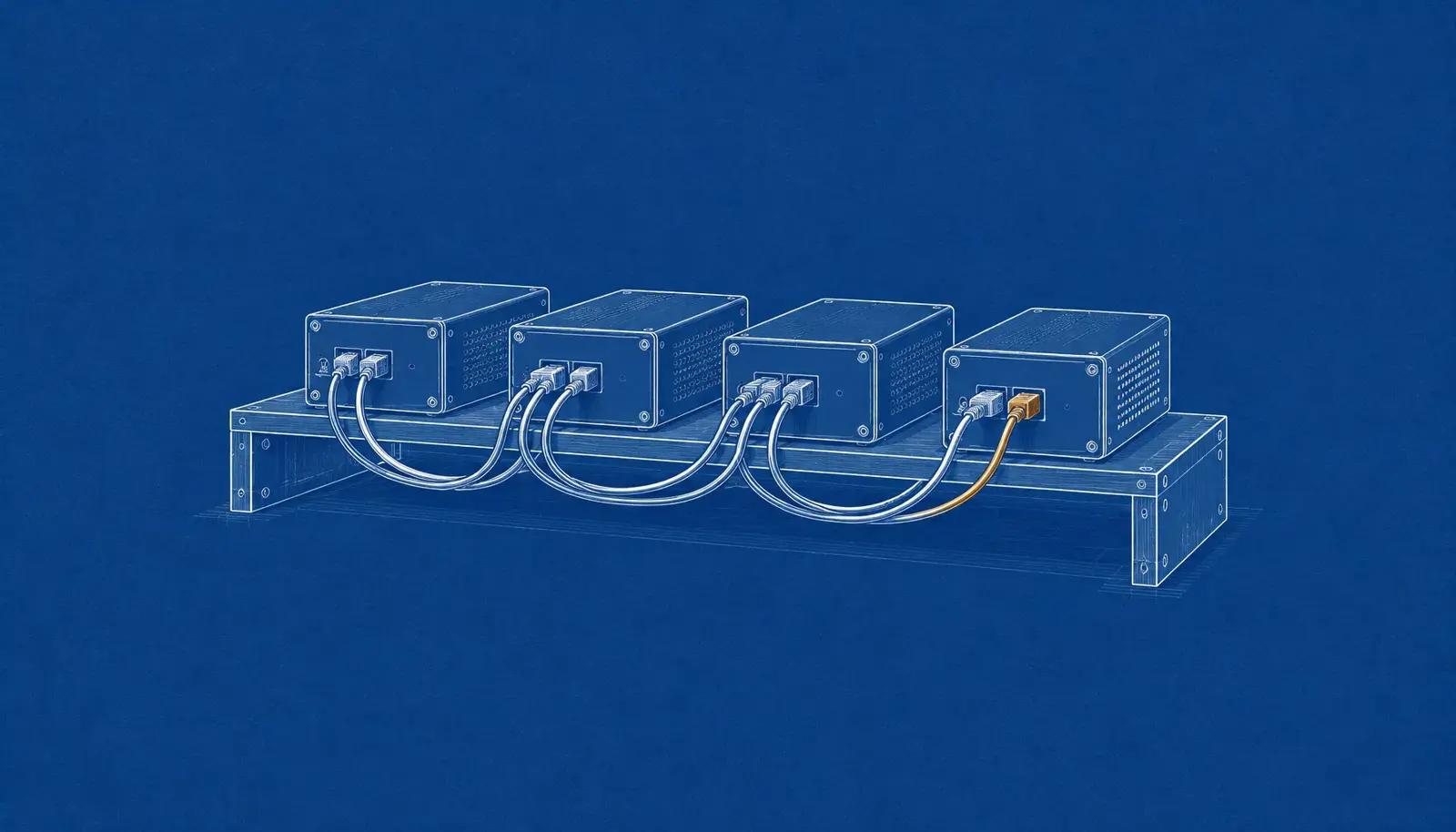
Claris Harbor is in private preview as an app for running open-weight AI models locally on Apple silicon Macs, with an option to combine memory across connected machines. The Apple company says the software can turn a single Mac into an AI server or link multiple computers over Thunderbolt 5 for larger models.
9to5Mac reported on November 10 that leaker Aaron Perris had discovered evidence of the app. Claris has a public page describing the preview and offering updates, while access to the app itself remains limited.
Private preview and local use
Claris offers a form for people who want updates about Harbor, asking for contact details including a company name. MacRumors reported that Harbor was not publicly available and that an App Store listing had been removed.
The company says data and prompts remain on the physical Mac hardware.
The app’s description reproduced by 9to5Mac says users can browse, download and load models inside Harbor, with the app handling model management. It describes setup without manual configuration, a command line or infrastructure expertise.
Connecting Macs
For larger models, Claris describes connecting multiple Macs over Thunderbolt 5 and pooling their unified memory. The description cited by 9to5Mac specifies two or more Thunderbolt 5-capable computers and says the pooled resource can run models beyond the capacity of an individual machine or serve more concurrent requests.
It also claims the app automatically detects connected devices to form a cluster. For a single Mac, the company describes setting up an endpoint in minutes.
Earlier work on distributed inference
In October, Apple researchers described a separate way to run models across Mac Studio computers. Their approach uses MLX, an open-source framework that takes advantage of Apple silicon’s unified memory architecture.
The researchers said macOS 26.2 introduced a low-latency RDMA driver over Thunderbolt 5, which MLX uses for communication between machines. In one example, their setup connected two Mac Studios with two Thunderbolt cables and used a helper command to launch jobs across them.
Apple reported that Muse Spark Open generated more than 36 tokens per second on a cluster of four Mac Studios. That was a result for the researchers’ MLX setup on M5 Ultra machines at a context size of 8,192 tokens, not a Harbor performance figure.
Other local tools
MacRumors identified existing alternatives for running local AI servers on Macs: Exo, an open-source tool for clustering machines, and LM Studio for use on a single Mac. The outlet noted that Claris is known for FileMaker, a database platform aimed at businesses.