The Pulse
XPENG unveils Turing AI architecture and targets IRON release in 2027
XPENG presented a shared AI architecture for vehicles and its IRON humanoid robot at its November AI Day. IRON is scheduled to begin training in retail stores in the first quarter of 2027, with a public release targeted for the following quarter.
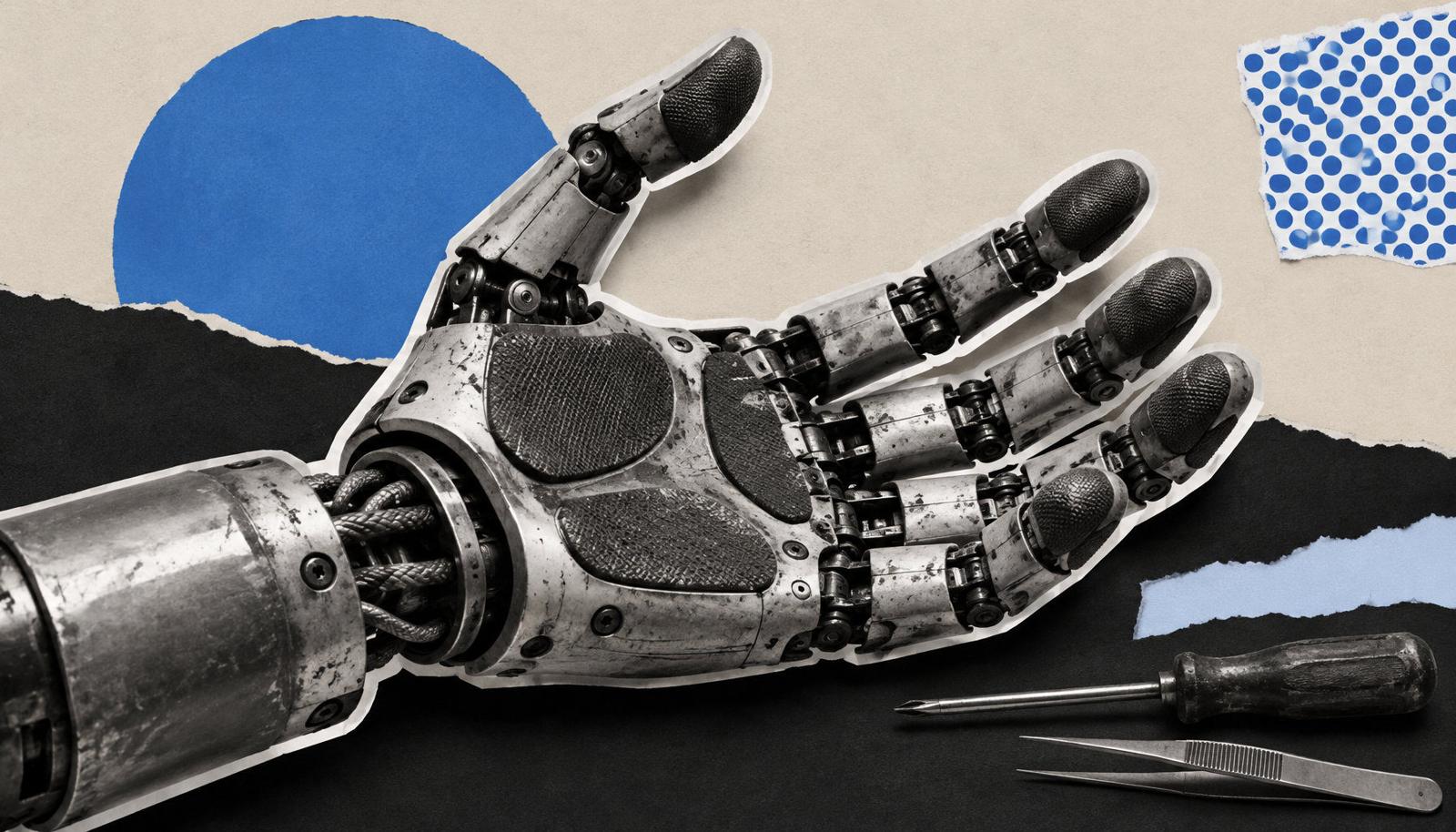
XPENG plans to start training its IRON humanoid robot as a retail store assistant in the first quarter of 2027, alongside a new AI architecture intended to support both robots and vehicles. The IRON robot made its first public appearance at XPENG's AI Day on November 25, according to the company's announcement.
The company targets a public release for IRON in the second quarter of 2027. Hardware mass production is planned to begin in January 2027, XPENG said in a separate release about the robot.
A shared system for robots and cars
The Turing Physical AI Architecture, also called VLA 3.0, is a shared technology foundation for XPENG's vehicles and humanoid robots. It connects AI models with computing, control systems and physical hardware.
The architecture has three systems. System 0 connects physical body control and underlying hardware to an AI feedback loop; System 1 uses XPENG's VLA 2.0 model to interpret surroundings and translate them into actions; and System 2 handles higher-level task planning and coordination.
The company says version 6.4.0 of VLA 2.0 supports agent-driven autonomous closed-loop training, increasing overall training speed by 10–12 times. It also describes the process as supporting model self-distillation and recursive self-improvement.
IRON's planned jobs
IRON has 76 degrees of freedom, including a hand with 21 degrees of freedom, and more than 1,500 tactile sensing points, according to XPENG. Tactile coverage extends across more than 80% of key body areas. Three proprietary Turing AI chips support onboard models and whole-body control.
The robot is designed to navigate, create task lists from voice or app instructions, charge autonomously and report abnormal conditions. The planned store training includes customer reception and product guidance; XPENG is also exploring roles such as front-desk reception, educational programmes and exhibition guidance.
Its Robot Data Factory spans 50,000 m² and covers more than 250 scenarios and 15 job categories. Its dedicated automated production line has more than 600 AI-powered holographic quality inspection checkpoints and over 1,000 vehicle-grade tests covering complete robots and key components, the company says. At full capacity, the line is designed to complete one IRON every 2.5 minutes.
XPENG is developing a commercial model combining hardware sales, software subscriptions and an open robotics platform. Partners would be able to download capability packages, customise functions and develop and validate skills for business applications; token-based subscriptions and scenario-based services are also under exploration.
Vehicle features and robotaxis
In vehicles, XPENG's X-VMC 2.0 motion control system connects propulsion, braking, steering and suspension. The company also introduced a feature called VLA Adaptive Deceleration, which uses road-scene understanding to adjust deceleration and energy recovery when a driver releases the accelerator.
XPENG says its tests in urban congestion showed a 12.4% increase in usable driving range compared with energy recovery switched off. The feature is scheduled for its first over-the-air rollout in December 2026.
XPENG also plans to release YOYO-01, its first purpose-built robotaxi model for commercial deployment, in 2027. The company says its robotaxi programme has begun L4 driverless passenger tests and plans demonstration operations in selected areas by the end of 2026.
Sources
- Original source · Press release XPENG “XPENG Unveils Turing Physical AI Architecture and IRON Robot” xpeng.com
Other pages read
- XPENG “XPENG Achieves New Milestone in Humanoid Robotics as IRON Brings Human-Centric Intelligence into the Mass Production Era” rss.globenewswire.com
Related stories
- XPENG says its WorldGPT model learns from cars, boats, drones and robots
- May Mobility targets more than 10,000 autonomous ID. Buzz vehicles
- Black AI raises seed funding for humanoid robot development
- Figure Tests Helix 2.5 Across 30 Unfamiliar Homes
- Baidu says AI cloud revenue rose 94% as overall sales slipped