The Pulse
WindBorne Wins Air Force Contract Worth Up to $49 Million
WindBorne Systems won a U.S. Air Force contract with a ceiling of $49 million for atmospheric data collected by its autonomous weather balloons. The Air Force has placed $1.7 million in orders so far, with payments tied to data it requests.
AI.info Team · Written with AI ·
$1.7 million ordered against a $49 million ceiling
The U.S. Air Force has placed $1.7 million in orders under a new WindBorne Systems contract that could reach $49 million, a gap that shows the difference between the contract’s maximum value and the work purchased so far. The Air Force pays when it needs data, ordering coverage for specific regions and times rather than committing to spend the full amount.
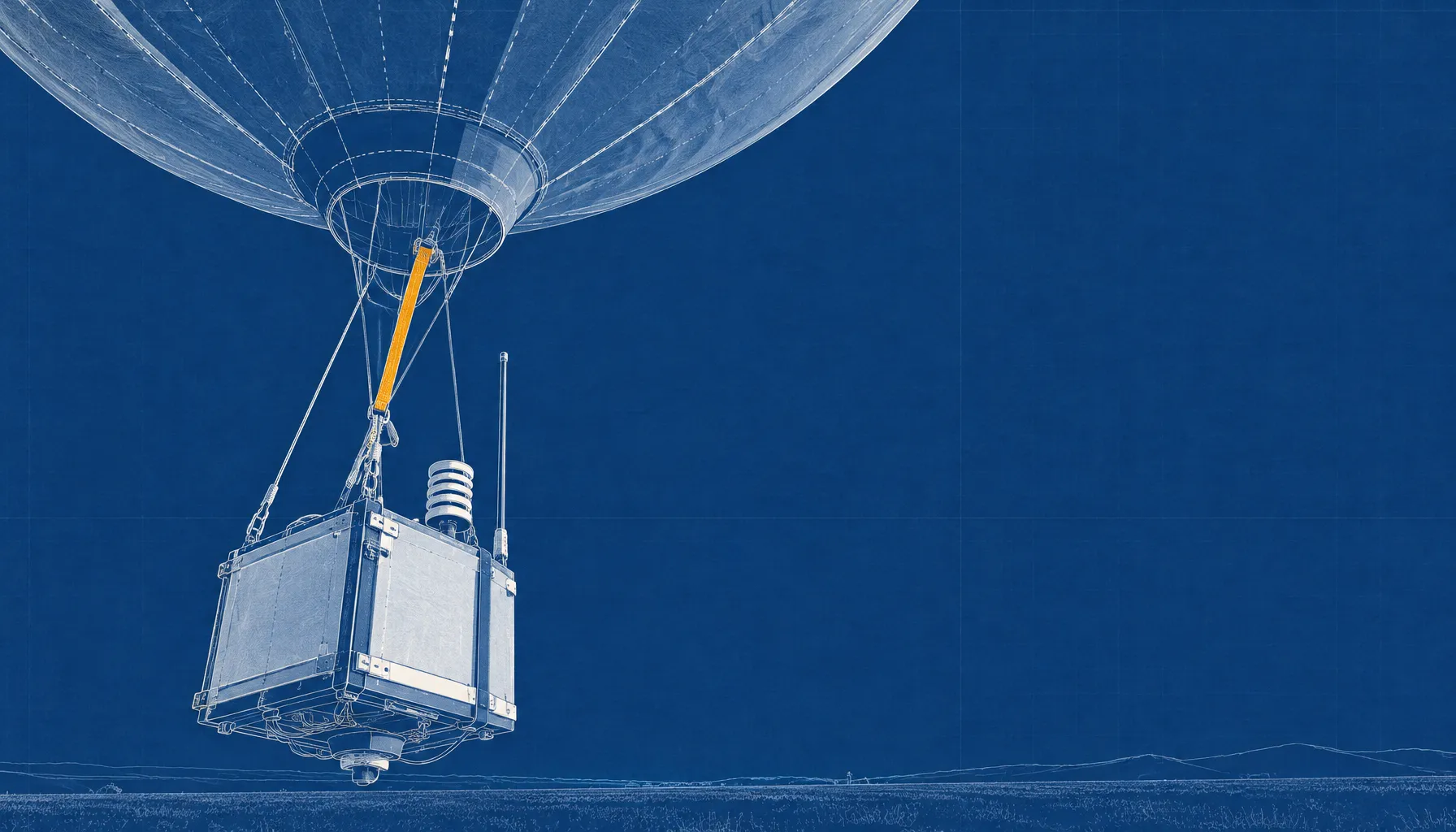
Announced October 12, the deal covers atmospheric readings gathered by WindBorne’s autonomous weather balloons. The Redwood City, California, company has about 700 balloons aloft worldwide, collecting sensor data that it sells to customers and feeds into its own AI weather forecasting model. TechCrunch described the agreement as the largest contract WindBorne has participated in.
Orders target specific regions and times
The ordering structure gives the Air Force a way to request data where and when it needs it. WindBorne co-founder and chief technology officer Andrey Sushko told TechCrunch the arrangement can support expansion of the balloon network as well as work on the vehicles themselves.
“This is largely a vehicle through which continued growth of the constellation can be supported, as well as some work on research and development to continue to improve the hardware and performance of the balloons,”
Andrey Sushko, co-founder and CTO of WindBorne, speaking to TechCrunch
The contract was awarded without competitive bidding, according to TechCrunch. Sushko said the government determined WindBorne was the only company able to provide global data collection in the way required for the operations. That is his account of the government’s decision, not a separately quoted statement from the Air Force.
Balloon readings feed WindBorne’s forecast model
WindBorne’s business links its balloon network to forecasting: its sensors gather atmospheric measurements, and the company uses those readings in its AI model. Air Force purchases therefore support both a government data service and a system WindBorne says it uses to build forecasts. The contract’s top-line value does not, by itself, indicate how much the service will ultimately earn; the amount depends on future orders.
The company has also worked with the National Weather Service and the U.S. Navy, TechCrunch reported. Its chief executive, John Dean, told the publication in August that WindBorne had raised a $37 million Series B round to scale the business. The new Air Force agreement adds a larger government purchasing vehicle, while leaving the timing and volume of additional orders open.
The ceiling is not a spending commitment
The distinction matters for assessing the contract’s commercial weight. The $49 million figure sets the possible maximum, while the $1.7 million in orders so far is a measure of current demand. Further orders could fund additional balloon operations and hardware research, but the contract announcement does not establish how much of the ceiling the Air Force will use.
For WindBorne, the Air Force’s ability to request data by region and time ties spending to operational needs. The immediate confirmed amount is $1.7 million in orders; the remaining value depends on what the service asks the company to collect.