The Pulse
UK Government Plans Independent Watchdog and New Laws for Police Facial Recognition
An independent watchdog will be created, and the government will develop a new legal code of practice for police and a separate legal code for the private sector. A specific law will be introduced to make clear that police use must be intel
AI.info Team · Written with AI · fact-checked ·
Facial recognition technology that helps police catch thousands of dangerous criminals every year will be subject to tough new safeguards to ensure that the technology is used fairly and safely. An independent watchdog will be created to provide independent oversight of police use of current and future technologies – and could potentially stop forces from using them if they fail to comply. These changes follow a public consultation, which highlights that – while there is strong support for its use and its effectiveness in catching offenders – there is a need for stronger safeguards around the extent of its use.
A specific law will be introduced for police use of facial recognition
A specific law will be introduced to make it clear that police use of facial recognition must be intelligence led and proportionate, so it is only used when officers believe wanted people could be present in an area. Technologies used by law enforcement must be rigorously and independently tested against bias or discrimination of age, gender or race. While there are already legal requirements in place for facial recognition, they are set out across a vast patchwork system and in need of a clear, consistent set of laws.
In consultation with this new regulator, the government will develop a new legal code of practice for police to set clear standards and rules that all forces must abide by. A separate legal code for the private sector will be developed to make sure that businesses using facial recognition to tackle crime, including shops, are using it responsibly and complimentary to law enforcement efforts.
In extreme cases, where forces fail to comply with regulations, the watchdog can pursue enforcement action that could see them handed a court injunction
The independent watchdog will provide independent oversight of police use of current and future technologies, advise on standards, provide scrutiny and make recommendations to ministers on emerging technologies and risks. In extreme cases where forces fail to comply with regulations, it can pursue enforcement action which could see them handed a court injunction preventing them from using these technologies.
Static live facial recognition cameras piloted in Croydon between October 2025 and March 2026 led to 173 arrests, including suspects wanted for rape, kidnap and sexual assault. The Met reported a 10.5% drop in overall crime in the area against the previous year, and a 21% decrease in offences linked to violence against women and girls.
Police used facial recognition at this year’s Notting Hill Carnival
At this year’s Notting Hill Carnival, police used the technology to stop 86 registered sex offenders, leading to the arrest of 7 offenders who were found to be in breach of civil orders or notification requirements. Facial recognition technology has also been used to support police in managing registered sex offenders in the community.
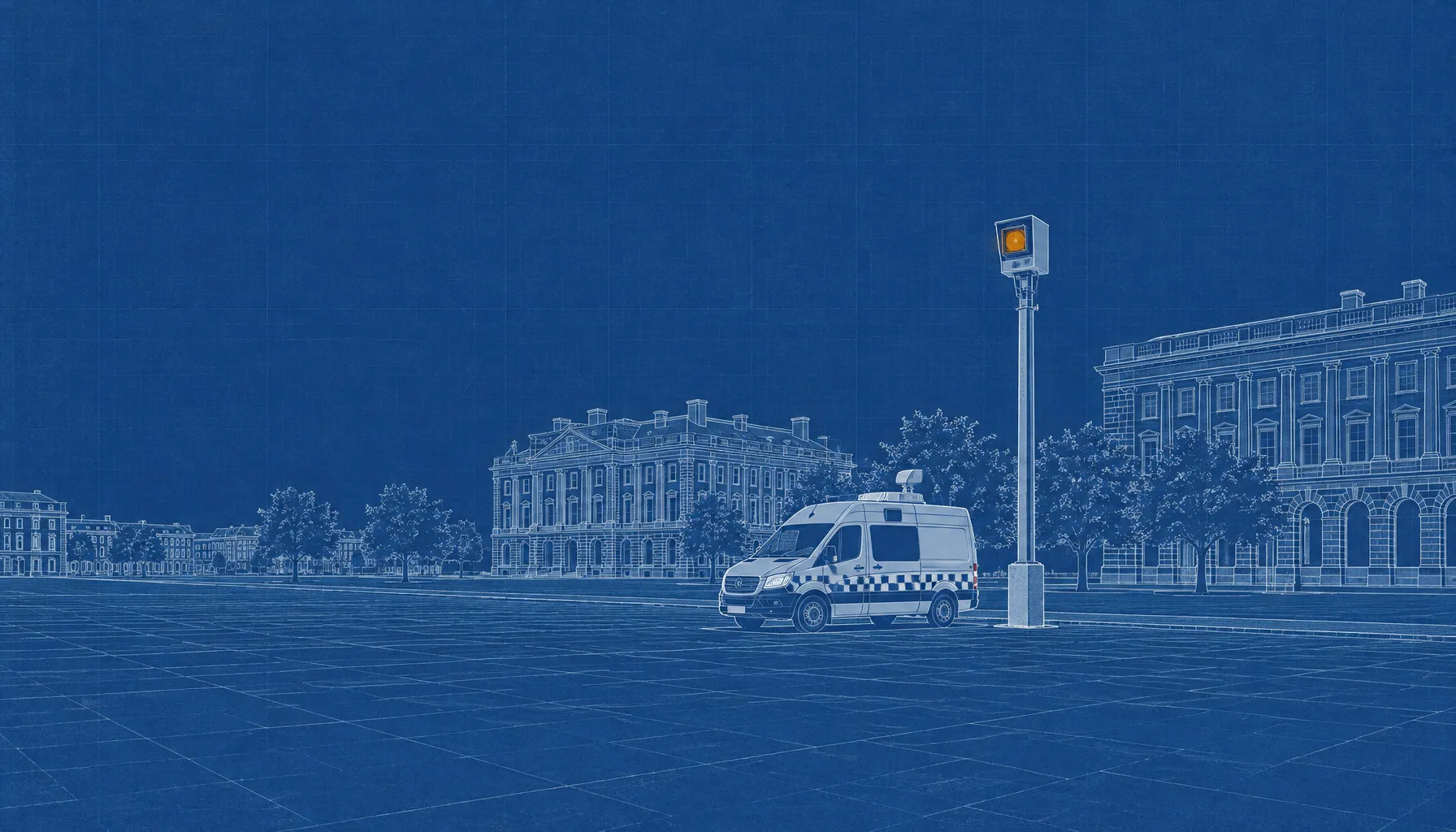
Neil Basu QPM, former head of Counter Terrorism Policing, said: “With a real police officer making the final decision a human one, and with the proper legal safeguards and independent oversight in place, I have no doubt LFR will catch many more criminals and make us all much safer.” Today’s measures follow an £11 million investment to triple the number of live facial recognition vans available to police forces in England and Wales. This is part of the government’s biggest reforms to policing in 200 years to help keep communities safe.
The Home Office has independently tested a new algorithm for retrospective facial recognition
The Home Office has independently tested a new algorithm for retrospective facial recognition proven to be highly accurate and without bias which will be available for police forces to roll out from next year. The algorithm used in the live facial recognition vans funded by the government has already been independently tested.