The Pulse
TwelveLabs Adds First-Person Video Analysis to Pegasus 1.6
TwelveLabs released Pegasus 1.6 with support for first-person video, native image analysis and improved recognition of people and objects. The model can analyze up to 20 images per request and supports videos up to two hours long.
AI.info Team · Written with AI ·
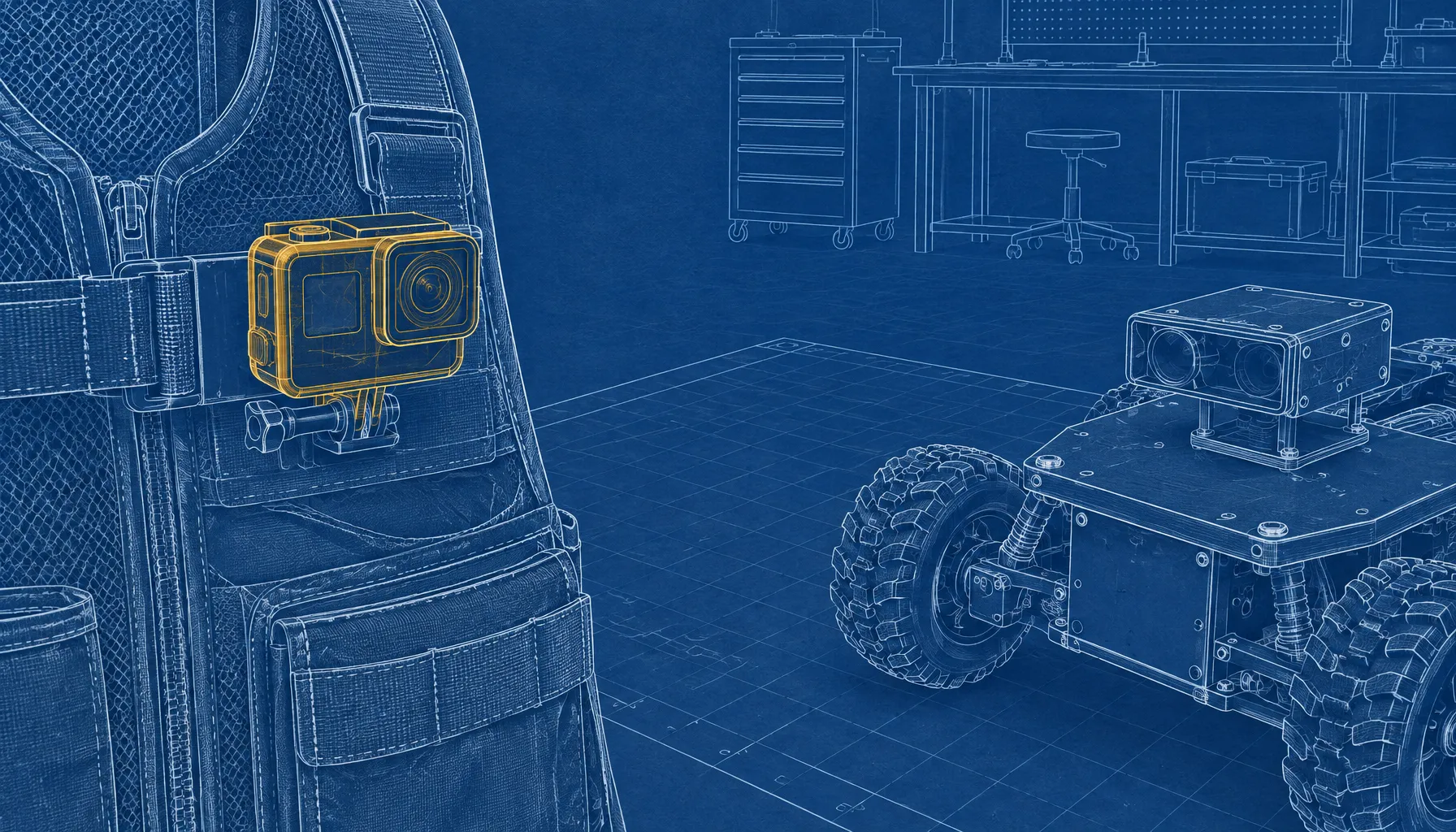
TwelveLabs announced Pegasus 1.6 on October 6, adding first-person video analysis to a model previously focused on footage captured from outside the action. The company says the release is aimed in part at recordings from wearable cameras and robots, where the camera moves with the person or machine performing a task.
“Pegasus 1.6 adds real support for egocentric video: footage captured from the point of view of whoever (or whatever) is doing the thing, like a body camera or a robot's onboard camera,” writes Christine Lim, the post’s author.
From external cameras to the operator’s view
First-person footage differs from security-camera or crew-shot video because the camera follows the person or machine through an activity. TwelveLabs identifies body cameras, robot-mounted cameras and teleoperation recordings as examples. The company says the added capability gives robotics and embodied-AI teams a way to label and analyze this material for training and review workflows.
The model documentation lists action labeling, checking robotics footage against expected behavior, and predicting an operator’s next action in teleoperated video among Pegasus 1.6’s use cases. Those are model applications, not claims that the system controls a robot or establishes whether its behavior is safe. TwelveLabs describes analysis and labeling functions; responsibility for acting on the results remains with the user.
One model for video and still images
Pegasus 1.6 also accepts still images through the same API used for video. Developers can submit between one and 20 images in a request, according to TwelveLabs’ documentation, instead of building a separate image-analysis integration. The company points to mixed collections such as product photos and product videos, or screenshots and screen recordings, as examples.
The release also brings improved recognition of people, objects and characters, alongside metadata extraction that is less dependent on how video segments are defined. When segmentation is used, Pegasus can return timestamped events within each segment. The release notes also describe segmentation without a token limit, which allows the model to return the segments it produced even if its output is incomplete.
Two-hour videos, with limits
The documentation sets the standard maximum video duration at two hours. A request can cover up to four hours of source video when it analyzes only a portion; supported uploads can be as large as 10 GB. The model’s context window is 261,120 tokens, a limit that applies to the video, audio transcription, prompt, reference images, requested output format and generated response together.
TwelveLabs says existing Pegasus users can keep their SDKs, prompts and API when moving to version 1.6. The launch post does not provide benchmark scores comparing the new version with Pegasus 1.5, so the announcement establishes a wider set of inputs and tasks, not a measured performance gain. For teams working with first-person recordings, the concrete change is that those videos can now be analyzed through Pegasus alongside conventional video and still images.