The Pulse
renue adds manufacturing digital twins to Drawing Agent
Drawing Agent can now use equipment information to model factory layouts, production capacity and controls. renue also developed PLC Studio, a desktop tool for editing and simulating control programs with an AI agent.
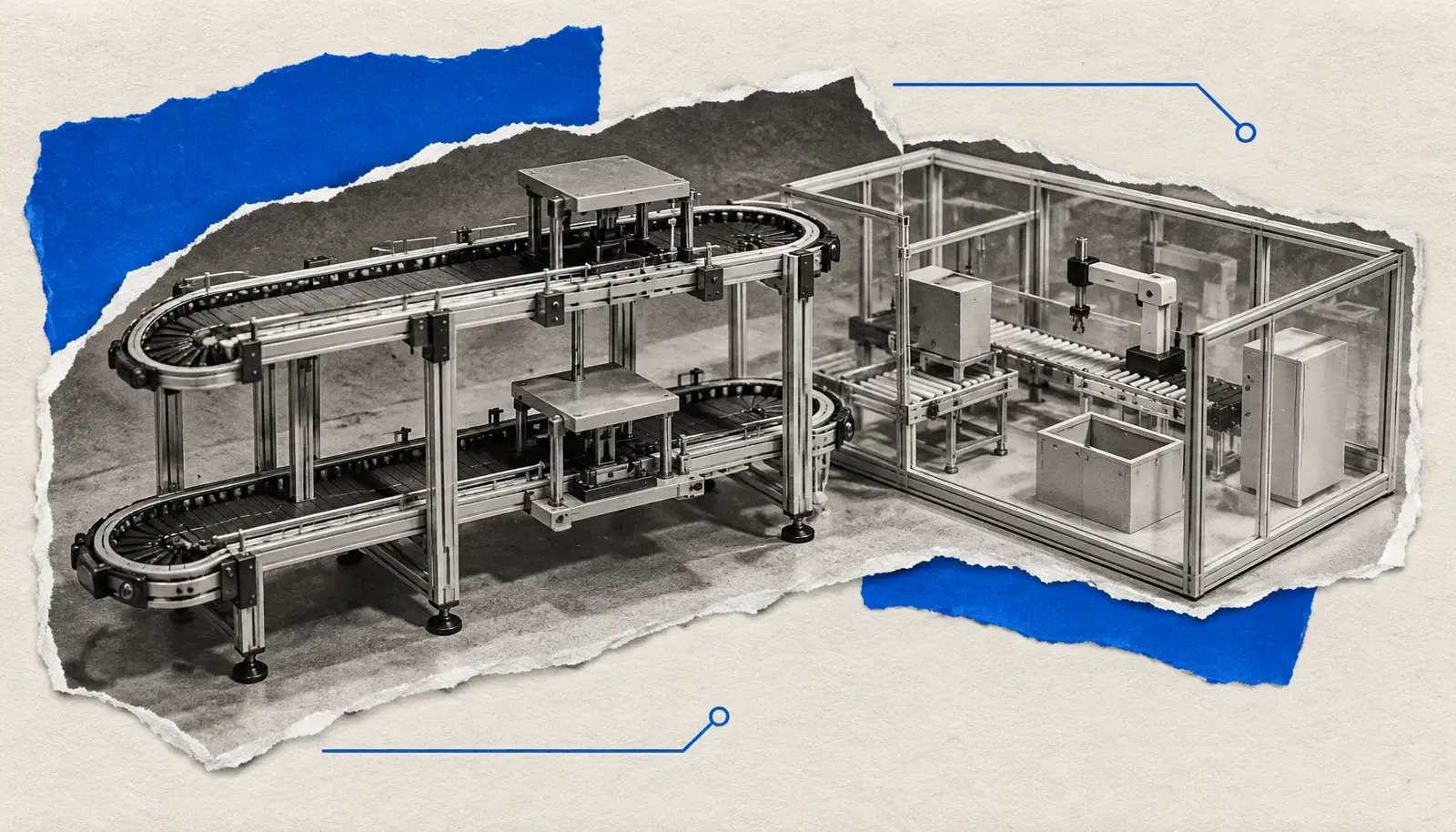
Drawing Agent can now use manufacturing digital twins to examine factory layouts, production capacity and equipment controls during design. In a Japanese-language release, developer renue said the new capability uses the same equipment information across those checks, starting with models generated from drawings.
Source prtimes.jp
Drawing Agent generates and inspects 3D CAD models from 2D drawings. An update announced on November 6, called DRAWING SKILL, made it possible to assemble models ranging from individual parts to entire factories.
From layout to staffing
The digital twin feature turns PDF and DXF drawings into factory and equipment models for checks on interference, clearances and passageways. It also calculates process queues, work in progress, throughput and lead times, and compares vehicle numbers with demand.
Natural-language requirements can be used to generate ladder logic, which a virtual programmable logic controller, or PLC, uses to reproduce equipment operation. The feature analyzes blockages, stoppages and recovery, and produces an interlock table.
Other checks cover whether a robot can reach processing points and whether its movements interfere with fixtures. For warehouse planning, the system calculates staffing needs from inventory and orders and examines competition for workers shared across tasks.
A control programming tool
renue also developed PLC Studio, a desktop application for editing and simulating ladder logic and structured text. The application can import program formats from major PLC manufacturers and convert them through a common format.
When AI operation is started, an agent works with the open program and the same virtual PLC used by a person. Inputs, scans and records made by the agent can then be handed over for manual operation.
Model results and limits
In one company example, a model of a two-level conveyor line calculated that replacing the lifting equipment and shortening the lift stroke from 6,150 mm to 4,000 mm increased output from 173 boxes to 484 boxes per hour. The model assumed an input of 1,000 boxes per hour, above the line's capacity, and measured output over an hour after excluding the first 20 minutes of startup.
The comparison also shortened the lift stroke from 6,150 mm to 4,000 mm. After the changes, the upper-level inspection section had the highest utilization, at about 90%, according to renue.
The example used hypothetical values and was not a record of a real factory. In a separate control test, renue said four fictional circuits were converted using a manufacturer's development software and software simulator with no conversion errors or warnings; all 80 values across 20 scans matched predetermined expectations.
The company plans to check individual features using actual factory drawings and requirements, and to expand PLC Studio's editing functions and supported instructions.
Source
Related stories
- YouArt releases desktop AI agent for video editing workflows
- AMD details GPU-initiated DMA transfers for multi-GPU workloads
- Cloudflare open-sources experimental Kitesurf browser for AI agents
- DeepSeek makes app search, files and voice available via API
- Entire gives AI agents service accounts for repository access