The Pulse
Redwood AI adds reaction-safety screening to Reactosphere
Redwood AI has added a chemical risk screening feature to its Reactosphere synthesis platform. The company says the feature is intended as a draft screening layer, with qualified review still needed before operational use.
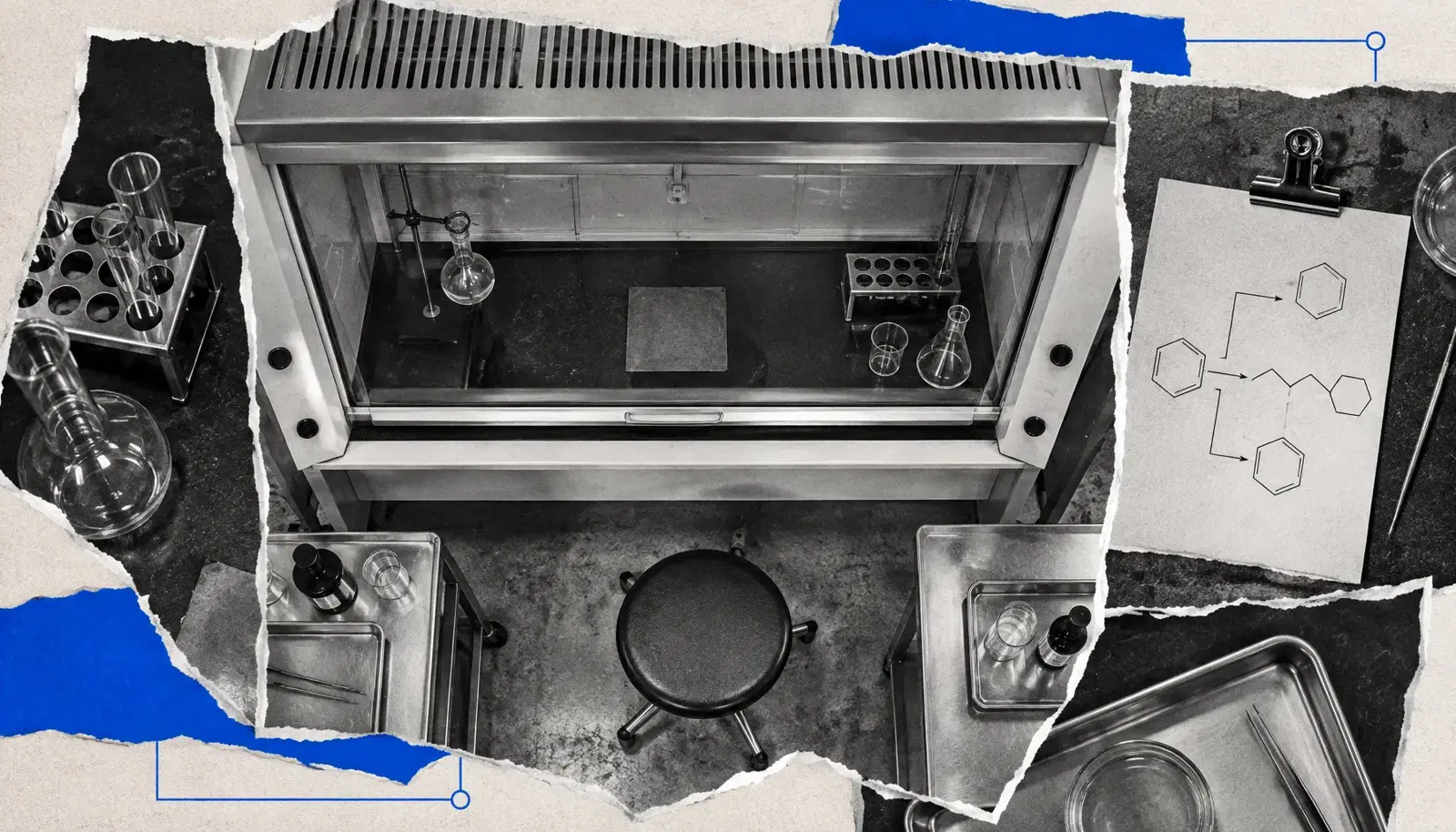
Redwood AI has added a reaction-safety screening feature to Reactosphere, its AI-powered chemical synthesis platform, to help users examine potential hazards during route planning. In its November 12 announcement, the company said the Chemical AI Risk Evaluator, or CARE, brings hazard information and review recommendations together around a reaction.
Source accessnewswire.com
The feature is intended as a draft screening layer, not a substitute for qualified chemist and environmental, health and safety review before operational use. Redwood says it is designed to help users identify reactions or routes that may need deeper examination.
Screening a reaction
Users can draw a reaction in the platform's embedded molecule editor or examine a candidate route generated through its retrosynthesis workflow. The resulting profile is designed to organize concerns about individual molecules, combined chemical risks and broader reaction-level issues alongside the reaction scheme.
The feature is designed to bring together hazard information linked to Safety Data Sheets, Globally Harmonized System hazard signals, structural alerts, reaction-level rule findings and recommendations for review. Redwood intends the consolidated view to reduce time spent moving between separate safety documents, manual rule checks and other hazard references.
CARE uses a chemist-curated rule framework specific to the platform. The rules are designed to evaluate chemical identities, pairings of reagents or conditions, reaction-class alerts and configurable hazard categories.
Each rule can include a severity level, evidence basis, description, context and recommendation, according to the company. The framework is designed to evolve as the platform is developed further.
Comparing routes
When the platform generates multiple predicted synthetic routes, CARE profiles are designed to give users another signal for comparison. Redwood says the profiles can help users weigh flagged chemicals, reaction-level concerns, safety burden and the review effort a route may require, alongside synthetic feasibility.
Profiles can also be exported to PDF for attachment to records, sharing for follow-up review or use in later documentation. Chief executive Louis Dron said the update is intended to make risk assessment part of route selection at the planning stage.
Development and limits
In June, Redwood announced the initiation of a chemical risk assessment module for Reactosphere. At the time, the company said the initiative would be led by Dr. Noah Burns, who had joined as a scientific advisor. Burns is an associate professor of chemistry at Stanford University and principal investigator of The Burns Lab.
Earlier, in April, Redwood said Reactosphere had been deployed in the cloud and was accessible to users. It said the platform ran across dedicated development and production environments and that users would be able to save projects and return to ongoing work.
Redwood lists the feature's functionality, performance and ability to identify and document concerns among its forward-looking statements. The company also identifies risks including technical errors, false positives or false negatives, and source data that may be incomplete, inaccurate, outdated or unavailable.
Sources
Related stories
- DeepSeek makes app search, files and voice available via API
- AMD details GPU-initiated DMA transfers for multi-GPU workloads
- Cloudflare open-sources experimental Kitesurf browser for AI agents
- Entire gives AI agents service accounts for repository access
- Google rolls out Wallet spending insights in Gemini in the US