The Pulse
Rafay and Fortanix Extend Confidential AI Service to Containers
Rafay and Fortanix have extended their confidential AI integration to workloads running on CNCF Confidential Containers. The service is available alongside their existing confidential virtual machine integration.
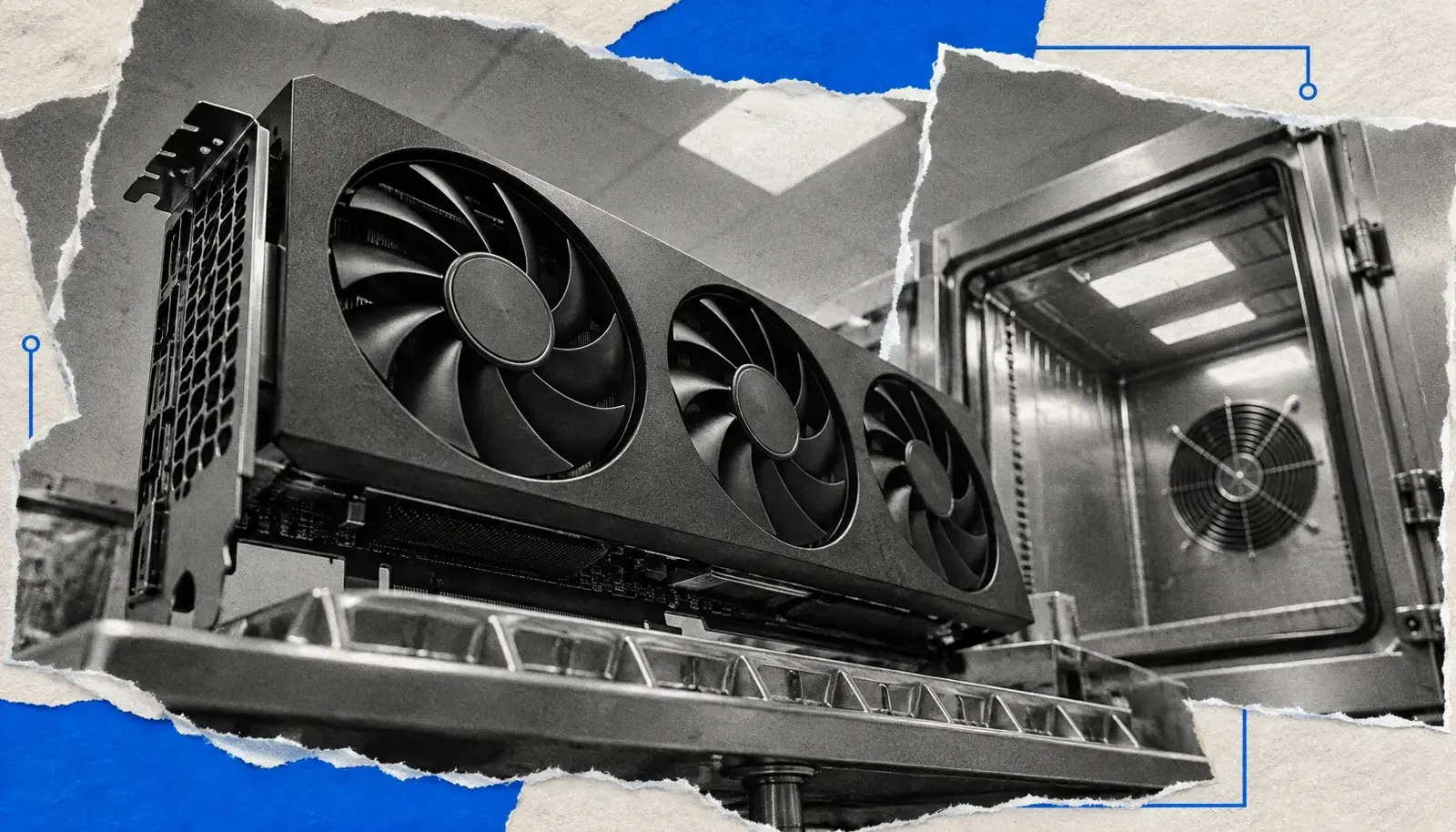
Rafay and Fortanix have extended their confidential AI integration to container workloads, allowing cloud operators to offer customers a self-service option alongside confidential virtual machines. Rafay said on Nov. 12 that its platform now orchestrates workloads running on CNCF Confidential Containers, or CoCo, with Fortanix Confidential AI.
Source prnewswire.com
The support is available alongside the companies' existing confidential VM integration. The offering targets neoclouds, sovereign AI clouds and enterprises that want to deliver confidential AI as a service.
Verification before key release
The companies say the service runs workloads in hardware-based trusted execution environments and releases encryption keys only after the environment and workload have been verified through cryptographic attestation. Users launch workloads through a self-service portal rather than filing a support ticket.
The release says the confidential container technology runs each Kubernetes pod in its own lightweight confidential virtual machine, with memory encrypted by the CPU. On supported hardware, GPUs are included in the trust boundary; developers deploy workloads using standard Kubernetes workflows.
According to the companies, the computing manager checks the integrity of CPU and GPU execution environments, firmware and software components before authorizing key release. The data security manager then releases keys only to environments that have passed attestation. If attestation fails, the keys remain protected, preventing the workload from accessing sensitive data or executing successfully.
How operators offer the service
Administrators package confidential workloads as service offerings, or SKUs, which users can launch on demand. Platform blueprints install the confidential container add-ons and keep them synchronized across confidential clusters.
Operators can onboard GPU infrastructure and provide each customer with an isolated tenant, while applying policies, access controls and quotas across tenants and clusters. The companies also describe a premium service for neocloud and GPU cloud providers, backed by evidence that workloads run in trusted environments and keys go to verified workloads.
Sovereign cloud operators can keep keys in a hardware security module under their control, either on premises or as software as a service. Model providers can deliver proprietary models into customer environments with weights encrypted until the environment is attested, the companies say.
A demonstration and an existing VM workflow
A recorded demonstration follows a bank using a speech-to-text application to transcribe customer calls inside a confidential container. The bank and cloud provider in the demonstration are hypothetical companies, not named customers.
In the walkthrough, an application developer encrypts the container image and registers the build with the confidential computing manager. An enterprise administrator then builds a confidential cluster and publishes the application as a SKU; an enterprise user launches it from the self-service portal.
Separately, Fortanix's deployment documentation describes the existing workflow for running confidential AI workloads in a confidential VM. That example packages a proprietary model and its inference application into a virtual machine, which is attested before it receives encryption keys.
The documentation lists access to the two Fortanix services and a Rafay account among the prerequisites for that VM deployment. It also specifies a platform with an AMD SEV-SNP- or Intel TDX-capable CPU and an NVIDIA GPU.
Sources
Related stories
- Cerebras reports 55% third-quarter revenue growth, raises outlook
- Nscale estimates $1.69 billion nine-month loss in amended IPO filing
- NVIDIA reports Vera Rubin gains in MLPerf Training debut
- CoreWeave Puts 504 Vera Rubin GPUs Into Seven-Rack Cluster
- DataX launches customizable AI concierge for customer service