The Pulse
Pew maps data-center growth as surveys show local opposition
Pew Research Center found more than 3,000 operating U.S. data centers and at least 1,500 in development as of February. Its surveys show growing concern about the facilities’ effects and widespread discomfort with new centers nearby.
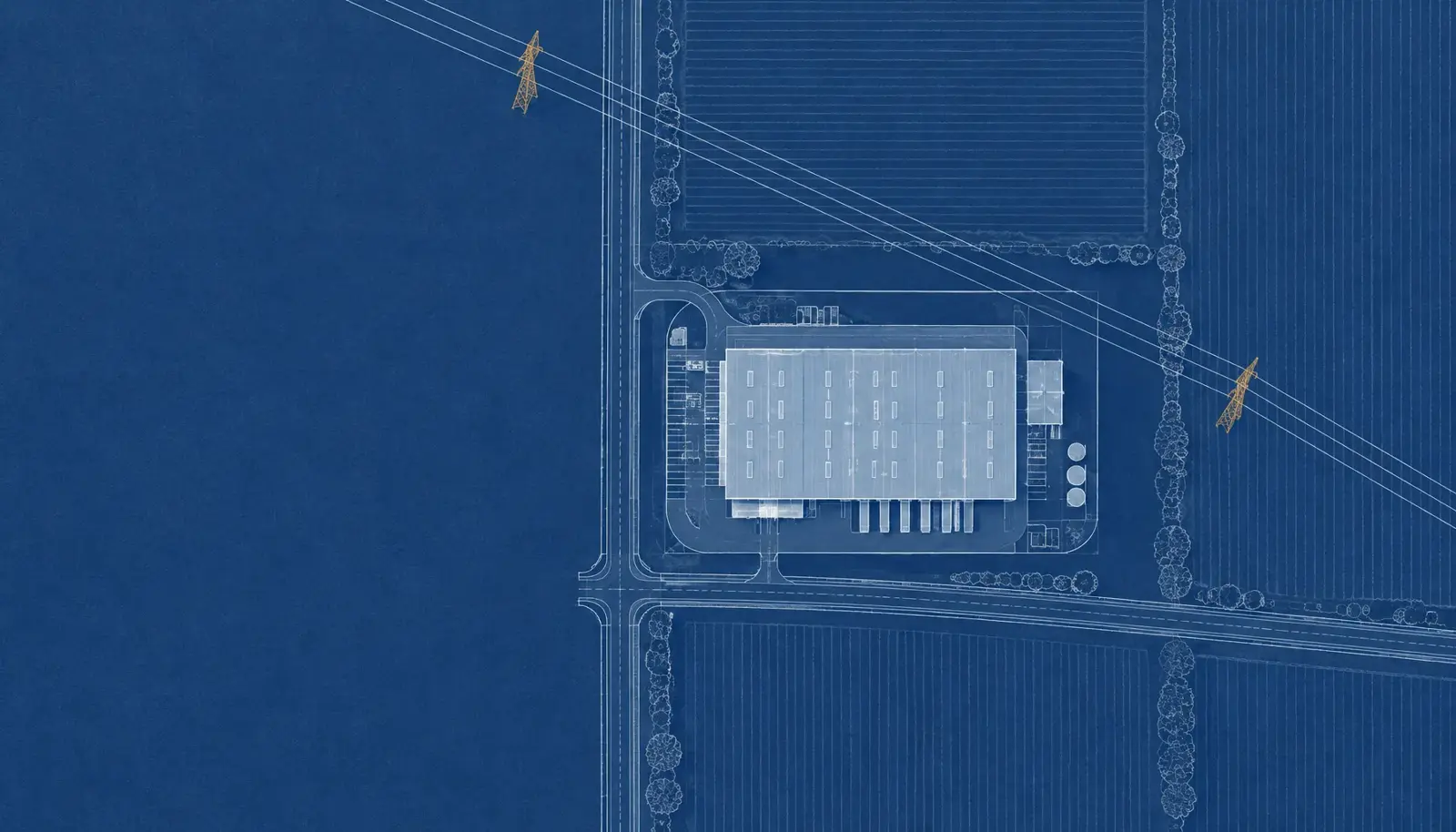
More than 3,000 U.S. data centers were operating and at least 1,500 others were in development as of February, according to a Pew Research Center analysis that also tracks growing public unease about the facilities. A fall survey found that 58% of U.S. adults dislike political leaders who support building data centers near them, while 9% like such leaders and 32% neither like nor dislike them.
The findings bring together Pew’s earlier research on the location of data centers, public attitudes and electricity use. The facilities have grown in number in recent years to support the development of artificial intelligence.
Where development is headed
The count of facilities comes from an analysis of Data Center Map information current as of Feb. 19, 2026. The planned category combines projects listed as under construction, planned or land banked; projects marked canceled or uncertain were excluded.
Pew found that 87% of existing centers were in urban areas, while two-thirds of planned centers were in rural areas and 39% were in counties without an existing center. Existing facilities also tended to cluster: 89% were within five miles of another data center.
Virginia had 398 operating centers and 287 planned, more than any other state in either category; Texas had 296 operating and 170 planned. The analysis estimated that 42% of U.S. adults lived within five miles of an existing or planned facility.
Concerns about local effects
In Pew’s summer survey, 54% of U.S. adults said data centers were mostly bad for the environment, up from 39% in January; the share saying they were mostly bad for home energy costs rose from 38% to 50%. The share citing a mostly negative effect on the quality of life of people nearby rose from 30% to 49%.
Views on local jobs and tax revenue were more mixed, with similar shares—between 21% and 24%—saying data centers were mostly good and mostly bad for those areas. People who lived near a data center and those who did not had similar views of the facilities and their effects in the summer survey.
The summer survey also found that 60% of adults would be not too or not at all comfortable with a new data center operating in their area; 19% would be somewhat comfortable and 7% extremely or very comfortable. Majorities in urban, suburban and rural communities expressed discomfort.
Politics and power costs
The fall survey was conducted from Sept. 28 to Oct. 4, 2026, and included both Democrats and Republicans, including people who lean toward either party. Among registered voters, a separate analysis of the survey found that 61% disliked leaders who support local data centers, while 8% liked them.
Among Americans who said their home energy costs had risen in the previous few years, a March survey found that 43% considered data centers’ increased energy use a major reason and 23% a minor reason. A larger share, 85%, said utility companies wanting to make more money was a major or minor reason for their rising costs.
An analysis of International Energy Agency data found that U.S. data centers used 108 terawatt-hours of electricity in 2020 and 183 terawatt-hours in 2024. Their use is projected to reach 426 terawatt-hours in 2030.