The Pulse
OpenAI folds its robotics team into research and Applied, Fortune reports
OpenAI has moved its robotics researchers into its main research and Applied organizations, Fortune reports. The company told the outlet that it remains committed to robotics and believes the reorganization will speed up its work.
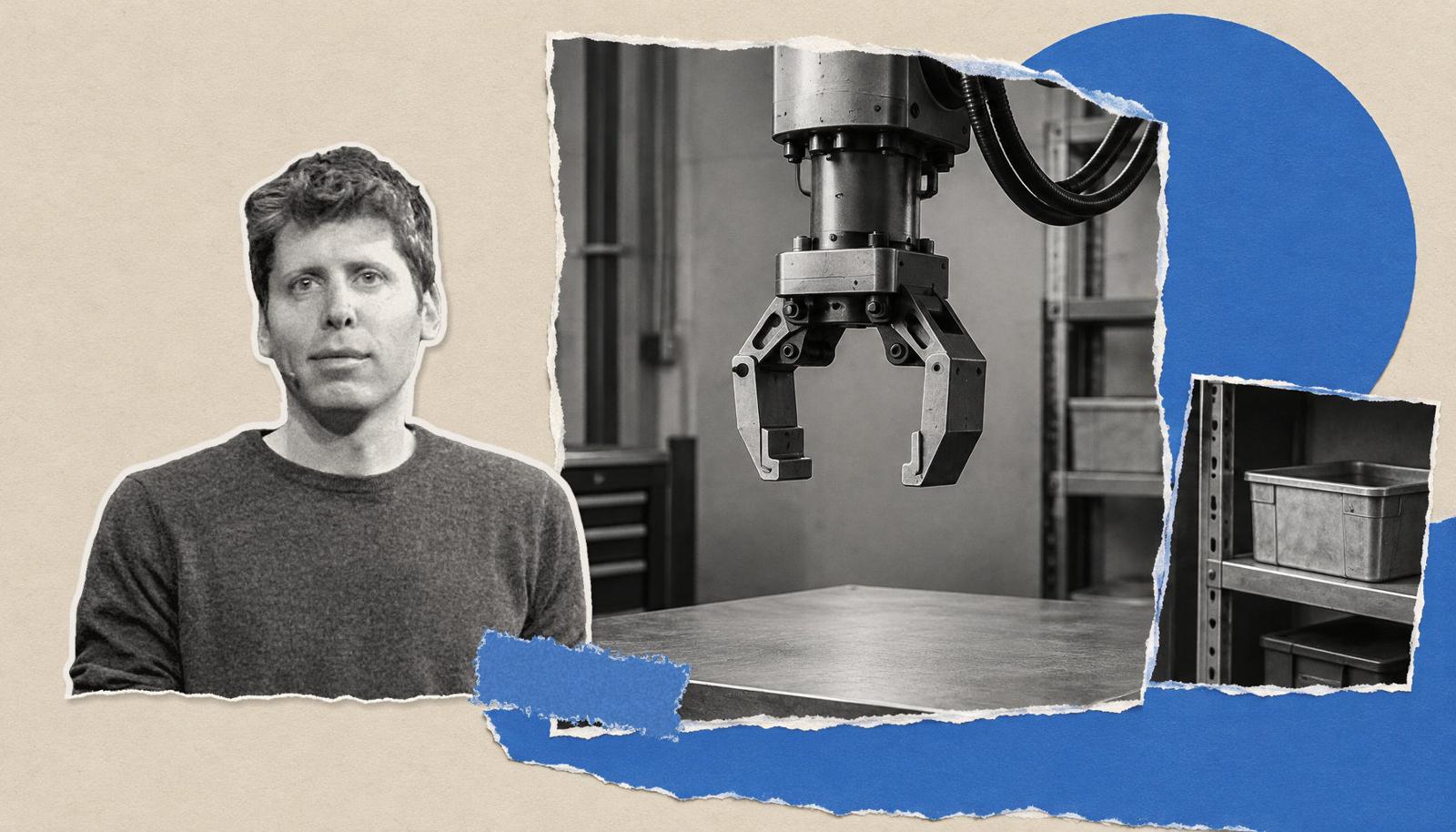
OpenAI has disbanded its standalone robotics team and reassigned its researchers elsewhere in the company, Fortune reported on November 13. The company confirmed the reorganization to the outlet and said it was intended to accelerate its robotics work, not abandon it.
Where the teams are going
Robotics researchers have moved to the main research team under Chief Research Officer Mark Chen, according to Fortune. The applied robotics and hardware teams have joined the larger Applied organization, which reports to President Greg Brockman.
A spokesperson told the outlet that robotics remains a core part of OpenAI’s long-term vision. The company said it believes the new structure is the best way to speed up progress toward general-purpose robots.
A shift in model strategy
At the start of the year, OpenAI’s researchers thought the best route for robotics was to build on work such as Sora, its video-generation model, the company told Fortune. Since then, a spokesperson said, general-purpose models including GPT-6 Astra have shown that they can be applied directly to robotics.
That finding motivated the team’s breakup, the spokesperson said. Fortune reported that researchers had seen surprising performance when connecting Astra directly to robots for some tasks.
In an Nvidia study described by the outlet, an Astra-powered agent achieved a 74.8% success rate on a simulated manipulation benchmark. Fortune identified the comparison as 51.0% for the best specialized robotic models on the same leaderboard; the test used a simulated robot rather than a physical one.
Different views on robot AI
Guanya Shi, an assistant professor at Carnegie Mellon University’s Robotics Institute, told Fortune that he would interpret the move as a signal that OpenAI sees robotics as “no longer a special problem.” He said the company likely views it as an application of general intelligence.
Shi also told the outlet that smaller, specialized models still have a role because they can run on a robot’s onboard computer without a constant internet connection. Fortune noted that large language models are powerful but slow and need to be hosted in the cloud, so the robot needs a constant network connection.
Previous robotics work
OpenAI wound down an earlier robotics team in 2020 and rebuilt a standalone team in 2024, Fortune reported. It rebuilt the team alongside a partnership with startup Figure to develop AI models for humanoid robots.
That partnership ended in February 2025, when Figure said it would develop its own robot AI, according to the report. OpenAI has said it is developing its own humanoid robot, with CEO Sam Altman targeting a first public demonstration in 2027.
Source
Related stories
- Nvidia’s Board Opens Independent Inquiry Over Reports on Jensen Huang
- Apiiro Finds Claude Code Approval Files Leaking Secrets on GitHub
- Anthropic advises deleting "think hard" lines from Claude Opus 5.5 prompts
- ElevenLabs releases Scribe v3 transcription models, citing fewer errors
- Agile Robots raises $500 million at $8.5 billion valuation