The Pulse
OpenAI Brings GPT-6 Interactive Interfaces to ChatGPT
OpenAI began rolling out GPT-6 with Intelligent UI in ChatGPT on October 7, 2026. The feature lets the model create interactive diagrams, forms, charts and task-specific tools inside conversations.
AI.info Team · Written with AI ·
“We’ve trained GPT‑6 to compose responses using text, visuals and interactive elements, choosing how they fit together based on your question.”
OpenAI
OpenAI began rolling out GPT-6 with a new ChatGPT feature called Intelligent UI on October 7, adding interactive elements to the conversation window. The company says the model can choose among text, visuals and controls—including graphics, buttons, forms and charts—depending on what a user asks. Rather than requiring people to open a separate app for every task, ChatGPT can generate a small tool within the conversation.
GPT-6 turns answers into tools
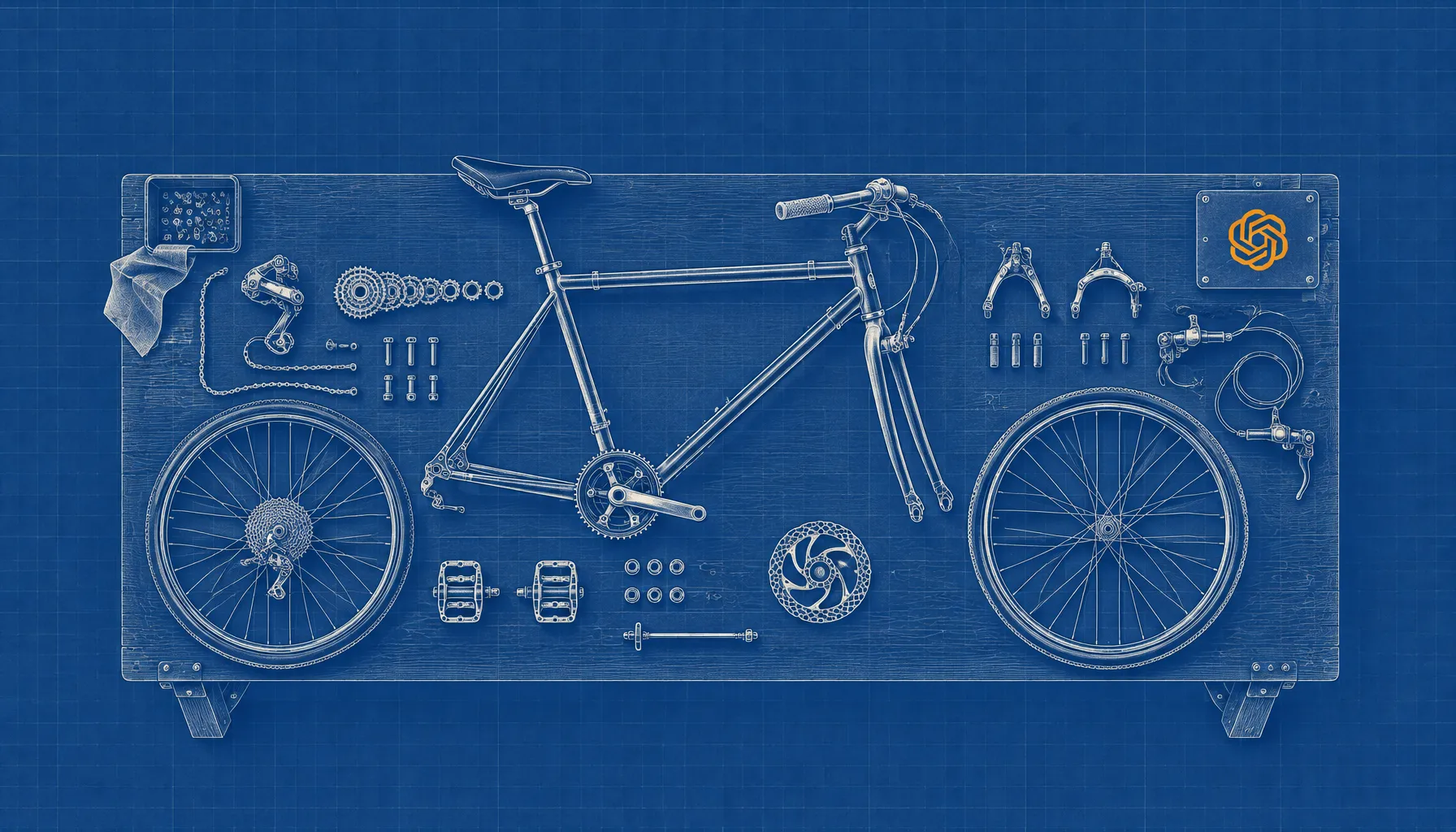
OpenAI’s examples range from interactive explanations to practical utilities. A user could explore a diagram, adjust an input to see how a process changes, or ask ChatGPT to build a bill splitter, a retirement-savings calculator or a game. The announcement also shows visual responses for tasks such as planning a road trip and learning how a seven-speed bicycle works.
The model is not meant to put an interface around every reply. OpenAI says GPT-6 can still provide plain text when that is the clearest way to answer; a comparison might instead appear side by side, while a complex explanation could use an interactive diagram. The approach makes the response format part of the model’s decision, rather than a fixed chat layout.
OpenAI built a component library for the feature
Underneath Intelligent UI is a library of native components and a compiler that processes an interface as GPT-6 generates it. OpenAI says the components give responses a familiar design foundation while allowing the model to arrange them for a particular question. Interfaces can appear progressively, without waiting for the full response to finish.
The company says it expanded training to help GPT-6 make decisions about content, layout, visuals and interaction, and evaluated generated interfaces for clarity, usefulness and completeness. OpenAI also acknowledges that the model’s design judgment needs improvement and that the range of things it can create remains limited.
Answers can appear before the model finishes thinking
GPT-6 also changes how ChatGPT delivers responses to harder questions, according to OpenAI. The model can interleave reasoning and answering, adding useful pieces as it works instead of waiting to present a complete response. For web-search questions, OpenAI says GPT-6 Instant begins answering 44% sooner on average than GPT-5.6 Instant.
OpenAI reports that in an internal evaluation of high-value everyday agent tasks, GPT-6 Extra High began answering in the same amount of time as GPT-5.6 Medium while earning a higher overall score than GPT-5.6 Extra High. Those are company-run comparisons, not independent assessments, and the announcement does not provide detailed results for each task in that evaluation.
Paid plans get access first
The rollout starts in ChatGPT’s Chat tab for Plus, Pro, Business and Enterprise users on October 7. OpenAI says access expands to Free and Go tiers on October 8; Enterprise availability depends on workplace administrator settings. The Chat experience uses GPT-6 Sol for paid tiers and GPT-6 Luna for Free and Go.
The release applies to Chat, not the models used in ChatGPT Work or Codex, which OpenAI says are unchanged. For now, the most concrete shift is in how an answer can work: alongside an explanation, a user may get controls to explore it or a tool built for the immediate task.