The Pulse
NVIDIA adds packet reordering to DAQIRI data acquisition library
NVIDIA's DAQIRI library can now use supported network cards to reorder incoming instrument data in hardware. The company also described a Berkeley Lab camera workflow that processes more than 500 Gbps during acquisition.
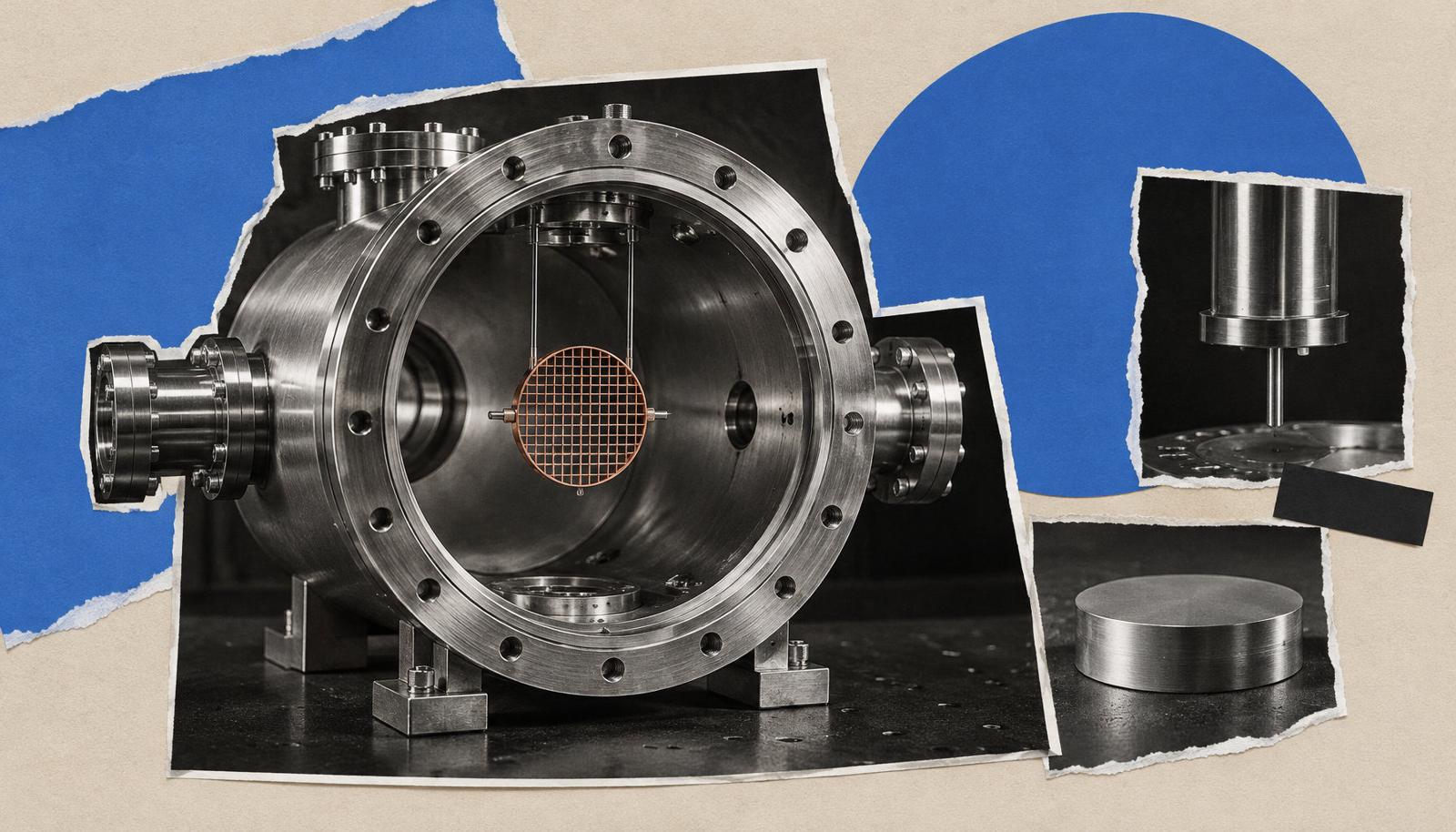
NVIDIA's DAQIRI library can now use supported network cards to put incoming instrument data packets in order before delivering them for processing. The company detailed the changes in a Nov. 19 technical post, alongside a scientific camera workflow that processes data on GPUs while measurements are being taken.
DAQIRI is a software-defined library for moving high-bandwidth sensor data into GPU workflows without first writing the measurements to disk. The latest release also introduces a new packet-processing engine and a direct polling mode for latency-sensitive communication.
A camera that streams to GPUs
The high-dynamic-range camera was developed at Lawrence Berkeley National Laboratory's Molecular Foundry for electron energy-loss spectroscopy, or EELS. That technique measures energy lost by electrons as they interact with a sample, helping researchers identify elements and how they are bonded.
Conventional EELS uses two separately optimized acquisitions in rapid succession to capture strong and faint signals. Those measurements must then be aligned and combined. The new camera captures both kinds of signal together.
The camera produces more than 500 gigabits per second of data, according to the post. NVIDIA says that is over 500 times faster than conventional EELS data streams.
In the workflow described by NVIDIA, FPGA readout electronics send detector data over Ethernet, and DAQIRI receives the packets directly into GPU memory. GPU processing assembles and corrects detector frames, then reduces them to energy-loss spectra while the experiment is underway.
The company says computation also produces submicron spatial resolution from sensor pixels measuring 5 micrometers across. The workflow lets the team inspect measurements and adjust acquisition parameters and regions of interest in real time, according to the post.
Ordering packets in hardware
DAQIRI can offload packet reordering to supported NVIDIA ConnectX-7 or newer network interface cards. For compatible sequence formats, the card reads sequence fields and places each payload in its ordered position in memory, without a separate software copy to reorder it.
Hardware reordering is configured for a specific receive queue. The configuration specifies how to read sequence numbers from packet headers, which reordering method to use and how to handle missing packets.
The release also introduces an ibverbs engine for receiving and transmitting raw Ethernet packets at high rates. Built on libibverbs and NVIDIA DevX, it is selected by default for raw Ethernet streams; developers can also select it explicitly in their configuration without changing their use of the application API.
NVIDIA says benchmark tests showed approximately twice the per-core throughput of the previous default DPDK backend for small packets at extreme data rates. The tests cited covered packets up to 1024 bytes and rates greater than 200 Gbps on NVIDIA DGX Spark, NVIDIA IGX Thor and NVIDIA RTX PRO server platforms.
A single-queue comparison on IGX Thor showed nearly double the throughput for 64-byte and 256-byte packets, but similar throughput for 8 KB packets, according to the company.
Polling for faster feedback
The latest release also lets an application thread submit and receive packets directly, rather than hand them off to a separate input/output worker. In cabled loopback tests, NVIDIA says the direct polling mode demonstrated application send-to-receive latency on the order of 2–4 microseconds.
With the ibverbs engine, developers can use direct polling for control queues while retaining batched processing for high-throughput data streams. The post describes the mode as an option for instruments where feedback from GPU analysis is sensitive to communication latency.
Sources
- Original source · Blog post NVIDIA developer.nvidia.com