The Pulse
NSW Bill Targets Misleading Rental Photos With $22,000 Penalty
New South Wales has passed rental reforms requiring landlords and agents to disclose certain digitally altered or AI-generated property images. The package also sets new rules for rental applications, personal information and utility disclo
AI.info Team ·
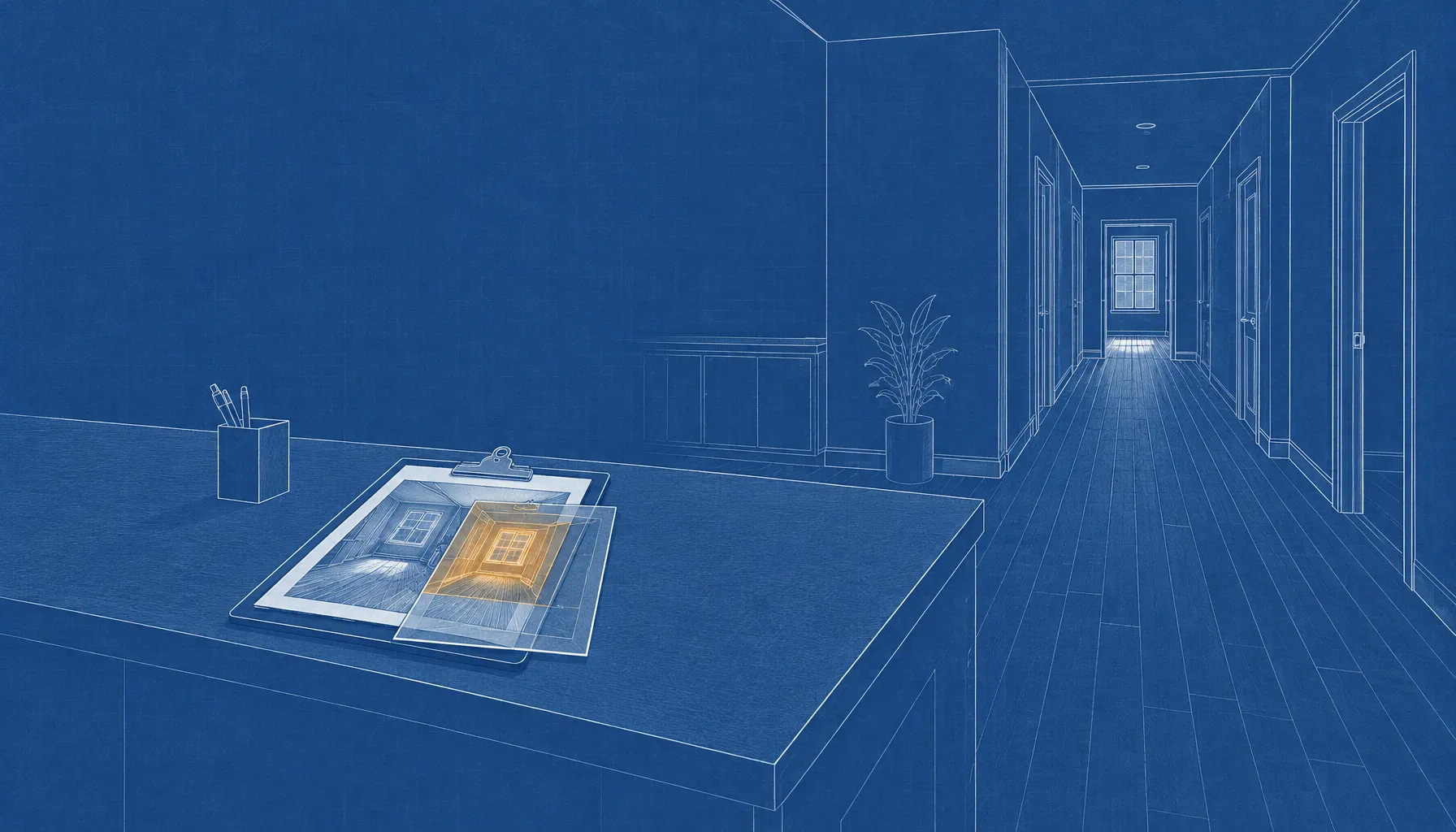
New South Wales has passed a package of rental reforms that includes a disclosure requirement for certain digitally altered or AI-generated property images in rental advertisements. The NSW Government says landlords and agents will have to disclose when images have been altered or generated to hide faults that could mislead prospective tenants, including fake furniture concealing structural damage or edits misrepresenting a room’s proportions.
The NSW Parliament’s bill record lists the Residential Tenancies Amendment (Protection of Personal Information) Bill 2025 as passed with amendments on September 24, 2026. The government’s announcement, published the following day, said the reforms had passed “last night.” The government expects the new laws to come into effect in early 2027.
Disclosure requirement targets misleading images
The government says businesses that fail to disclose altered photographs will face penalties of up to A$22,000. Its announcement describes the requirement as applying to images digitally altered or generated to hide faults that can mislead prospective tenants. The announcement gives examples rather than detailing other image edits that may be covered.
The reforms address rental applications as well as advertisements. Landlords and agents will be required to use a standardised application form setting out what information is required and what is off-limits. The government says renters will no longer be asked for unnecessary details such as personal photographs, social media accounts, information about their children or tattoos.
Identity documents, including driver licences and passports, will be collected only from the preferred applicant before the lease is signed, the government says. It estimates that applicants currently submit 187,000 pieces of identification each year. The government says this change is intended to reduce unnecessary collection of personal information and the risks of identity theft and data breaches.
The announcement also says there will be rules for how personal data is stored and destroyed. The government has begun consulting stakeholders to finalise the standard application form and the types of documents landlords and agents may collect to assess applications, including when those documents must be destroyed.
Privacy penalties and utility disclosures
The government says privacy violations can attract penalties of up to A$11,000 for individuals and A$49,500 for corporations. The package also requires agents to disclose when a rental property is connected to an embedded utility network, such as a private electricity or gas system. The government says this is intended to let prospective tenants know if they will be tied to a single energy provider.
The measures are part of a broader set of rental protections the government says it has introduced, including limits on rent increases to once a year, fee-free rent payment options and a ban on no-grounds evictions. The announcement says the new laws are intended to strengthen protections for more than 2.3 million renters across New South Wales.
Minister describes the reforms
Minister for Better Regulation and Fair Trading Anoulack Chanthivong said the package addresses misleading information in rental advertising and the handling of applicants’ personal data.
“This is a strong step forward to protect renters from false information in the rental market and is an important part of the Minns Labor Government’s commitment to supporting the ethical use of AI across the state.”
— Anoulack Chanthivong, Minister for Better Regulation and Fair Trading
The government has framed the image disclosure requirement as part of its wider effort to curb misleading rental advertisements, alongside changes to application forms, identity-document collection and privacy protections.