The Pulse
Multiply Labs Raises $75M to Scale Robotic Drug Manufacturing
Multiply Labs announced a $75 million Series B led by Dr. Patrick Soon-Shiong and NantWorks to expand its robotic biologics-manufacturing platform. The San Francisco company says the systems can reduce cost per dose by 74% and deliver up to
AI.info Team · Written with AI ·
Multiply Labs says AI is producing more potential therapies than drugmakers can manufacture, but its $75 million funding round puts the burden of proof on a different claim: that robotic systems can make complex biologics faster and cheaper without disrupting established production processes. The San Francisco company announced the Series B on October 6, saying the financing will help it move from clinical-stage deployments toward commercial-scale production.
The round was led by Dr. Patrick Soon-Shiong with NantWorks. New investors include AstraZeneca, Lingotto, Teradyne and Strange Ventures; returning investors include Casdin Capital, Lux Capital, Fifty Years, Ora Global and Founders Fund. The company says the financing brings its total capital raised since its 2016 founding to more than $100 million.
Multiply Labs’ bet on the manufacturing bottleneck
Multiply Labs argues that drug discovery is accelerating while manufacturing timelines have not kept pace. Some biologics production still involves manual, timed steps, the company says, with handoffs between process stages creating opportunities for contamination. A contamination event can cost millions of dollars and delay production, according to the announcement.
“AI is designing more therapies than the industry will ever be able to manufacture,” said Fred Parietti, Multiply Labs’ co-founder and chief executive. The funding, he said, will help the company build capacity to close that gap. The quote captures the company’s case for the investment, but the announcement does not identify a specific therapy or production site where the proposed gains have been achieved.
Robots designed to fit existing processes
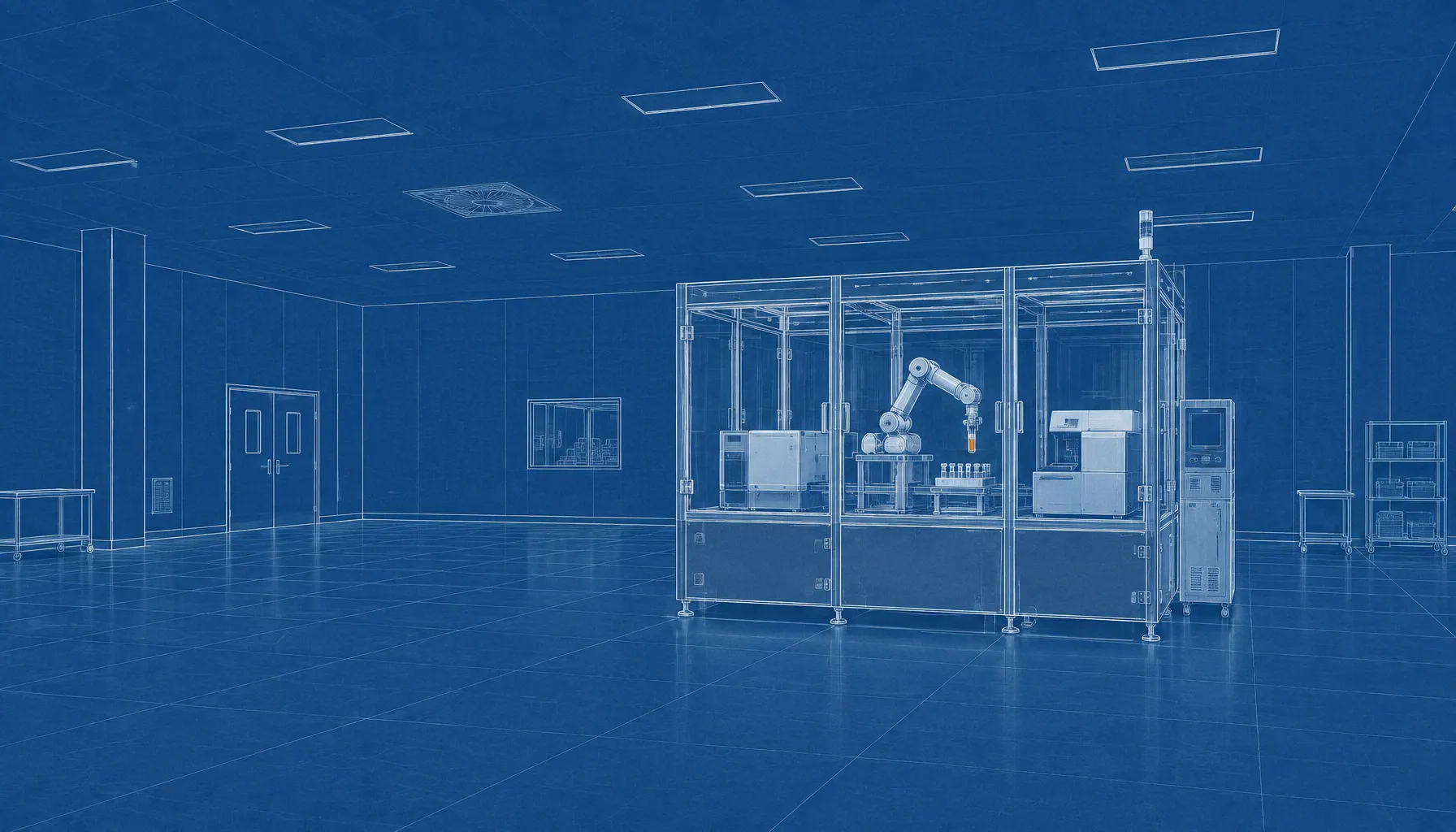
The company’s robotic clusters are designed to work with pharmaceutical manufacturers’ existing instruments and processes, rather than requiring a new facility or changes to validated practices. Multiply Labs describes the systems as enclosed and compliant with good manufacturing practice requirements. It says they automate timed, repetitive steps and remove manual transfers between production stages.
Multiply Labs claims the clusters can cut cost per dose by 74% and produce up to 100 times the throughput of manual manufacturing. Those are company-reported performance figures; the funding announcement provides no comparison method or supporting data for readers to assess them. The stated gains are ambitious, particularly in a sector where manufacturing changes must fit tightly controlled production procedures.
From cell and gene therapies to broader biologics
Multiply Labs began with cell and gene therapy manufacturing and says it is expanding its platform to antibodies, viral vectors and mRNA therapies. The company’s model differs from contract manufacturing: pharmaceutical and biologics companies own and operate the robotic clusters themselves, retaining control of production and supply chains, according to the release.
The new capital will fund expanded manufacturing capacity, product development and hiring across engineering, regulatory and commercial teams. Multiply Labs frames those investments as preparation for a shift from clinical-stage deployments to commercial-scale production. The announcement does not name customers or disclose how many systems are currently deployed.
The commercial test is still ahead
The financing gives Multiply Labs resources to pursue that transition, while the central question remains whether its robots can deliver the claimed performance in customers’ manufacturing operations. The company’s pitch depends on fitting into existing equipment and validated workflows while extending automation across more kinds of biologics. Its own stated next step is to build capacity and prepare for commercial-scale production.
For now, the $75 million round marks a bet on robotic manufacturing as a way to expand production of advanced therapies. Multiply Labs says it has raised more than $100 million since 2016; the announcement offers no deployment count or independent results to show how far the platform has progressed toward its scale and cost claims.