The Pulse
Krafton Unveils Ludi 0.2 for Robots Working With People
Krafton says Ludi 0.2 improves how robots interpret people, retain context and coordinate physical actions. The company presented the system at UC Berkeley on October 30 and announced it on November 2, without reporting benchmark scores or
AI.info Team · Written with AI · fact-checked ·
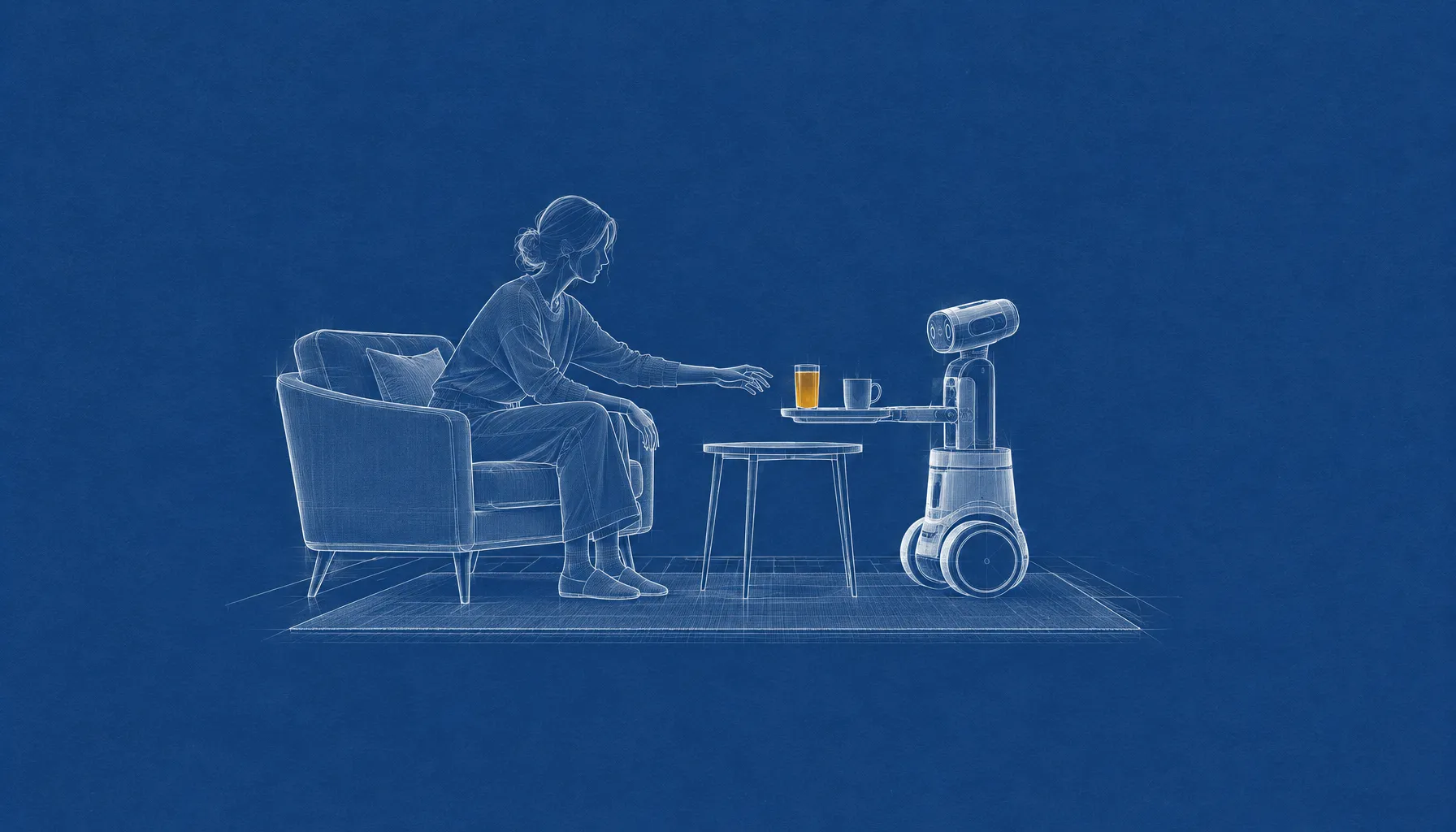
Krafton’s robotics subsidiary Ludo Robotics presented Ludi 0.2 at the University of California, Berkeley, on October 30, outlining an update aimed at helping robots respond to people as tasks and instructions change. The company announced the system on November 2, describing improvements in interpreting human intent, social cues and gestures, alongside changes to memory, reasoning and physical movement.
The release presents Ludi 0.2 as part of a move from game AI toward robots that can work with people in homes, workplaces and public spaces. It provides no benchmark scores, deployment schedule or details about access to the system.
Ludi 0.2 targets changing instructions
Ludi 0.2 builds on Ludi 0.1, which Krafton says it released in August. The earlier system pairs a vision-language model for dialogue and reasoning with specialized capabilities for navigation and object manipulation. Krafton says it can understand spoken instructions, retain conversational context and ask questions when a request is unclear; it is designed to handle changes to tasks in environments it supports.
Krafton identifies five areas improved in Ludi 0.2: interpreting human intent, feedback and social cues; retaining conversation and task context as situations change; coordinating movement, object handling and interaction; understanding gestures; and producing smoother, more flexible movement in supported environments. The announcement describes these capabilities but gives no quantified comparison with Ludi 0.1.
Research toward a more integrated system
Ludo’s August paper describes Ludi 0.1 as an agentic system combining a vision-language model and specialized navigation and manipulation policies. The paper’s authors write:
“A robot must recognize ambiguity, maintain context across turns, communicate its intentions, and revise ongoing behavior as the user's intent changes.”
The authors describe the system as a path toward human-robot collaboration and say its interaction traces could support development of a more deeply integrated foundation model. The paper concerns Ludi 0.1; Krafton’s announcement does not present it as a technical evaluation of Ludi 0.2.
Kangwook Lee, KRAFTON’s chief AI officer and Ludo Robotics’ chief technology officer, described the difficulty the project addresses in the announcement:
ロボットは物理的な作業を遂行する能力を着実に高めていますが、人を理解し、適切に反応することは依然として大きな課題です。
Lee’s following statement describes Ludi 0.2 as a new step toward robots that combine dialogue, reasoning and physical action, understand people’s intent, respond to feedback and adapt to changing situations.
Krafton is developing Ludi 1.0
Ludo is developing Ludi 1.0 to bring environmental perception, dialogue and physical action into one system. Krafton says the goal is for people and robots to share an understanding of a task and communicate in real time while acting.
The company links this work to nearly two decades of building games where players interact with responsive systems, including its collaboration with NVIDIA on Co-Playable Character technology. It says Ludo’s researchers are exploring combinations of simulation, AI-generated social interactions and real-world human behavior data to assess responses to complex social situations and gesture-based object manipulation.
Ludo Robotics has a research base in Palo Alto, California, and a research and development center in Seoul. The announcement identifies Lee, University of Wisconsin–Madison professor Rob Nowak, who is also the company’s chief scientist, and human-robot interaction researcher Yea-Seul Kim as members of its research team. It gives no public benchmark results or delivery date for Ludi 1.0.