The Pulse
Kodiak Says Its Long-Haul Driverless Readiness Has Reached 99%
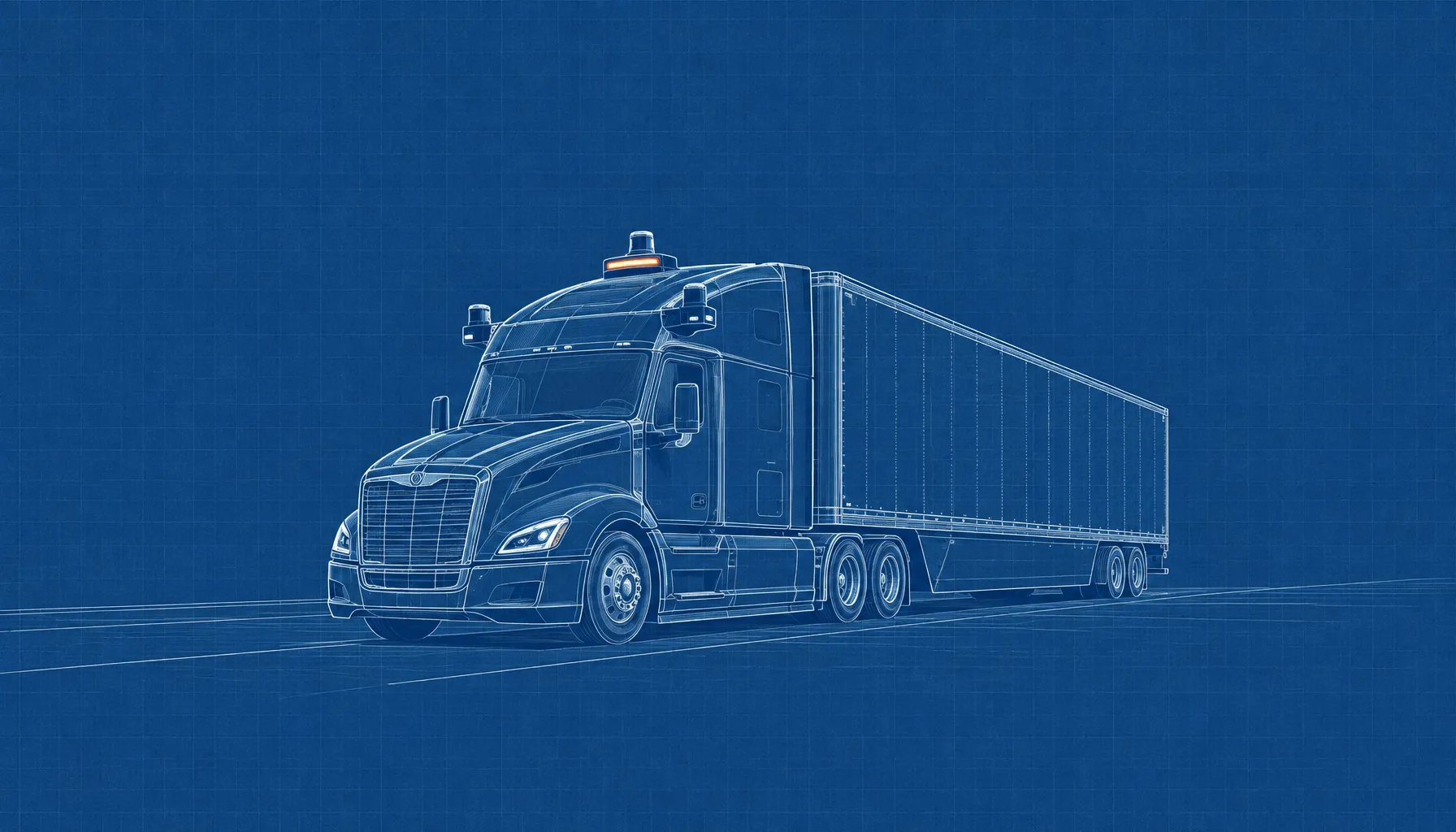
Kodiak AI says 99% of the claims and evidence in its long-haul driverless safety case are materially complete. The company is targeting a year-end launch on the Dallas–Houston corridor, with an initial 219-mile route planned for IKEA.
AI.info Team · Written with AI · fact-checked ·
Kodiak AI said on October 30 that its long-haul driverless readiness measure had reached 99%, bringing the company closer to its planned year-end launch of commercial service in Texas. The figure marks the latest step in a steady climb this year, from 84% in February to 86% in April, 91% in July, 93% in August and 96% in September.
“October represents continued great progress for closing safety case claims. We’ve identified and scheduled the remaining engineering verification and validation milestones needed. This is the home stretch,” said Don Burnette, Kodiak’s founder and CEO. The company says the launch will begin on Interstate 45 between Dallas and Houston, with IKEA as its shipper launch partner.
Kodiak’s 99% measures a safety case, not a launch probability
The Autonomy Readiness Measure, or ARM, tracks the percentage of claims and evidence in Kodiak’s safety case that are materially complete. The company describes that safety case as a structured argument, backed by evidence, that its Kodiak Driver system can operate safely in a defined environment. The 99% figure is therefore a measure of documented work completed—not a claim that the truck is 99% likely to operate safely, or that the commercial service is already running.
One part of the remaining work concerns testing and validation for highway operations. Kodiak safety director Frank Fratrik said the latest progress drew on the company’s Probabilistic Risk Assessment methodology, its BreakPoint simulation tool, and the development of operating procedures for unsupervised runs on I-45. Kodiak says BreakPoint searches simulations for unusual scenarios that could take years to encounter in ordinary driving, and feeds its results into the risk assessment.
I-45 is the planned first long-haul route
The company named the Dallas–Houston freight lane as its initial long-haul route in September. The two metropolitan areas are 219 miles apart along I-45, and Kodiak said it planned to begin service there by the end of 2026. Before driverless operations begin, its launch program includes daily preparation runs and driverless testing at closed-course tracks.
Kodiak said it had consistently completed end-to-end deliveries between its Lancaster, Texas, hub and Houston without the safety observer intervening, including on surface streets. The observer was still present during those runs; the company’s announcement described them as preparation and validation, not driverless commercial service. Kodiak plans to run the initial route on IKEA’s behalf.
Permian Basin operations provide a different test
The highway program builds on Kodiak’s industrial deployment in the Permian Basin, where its customer Atlas Energy Solutions owns and operates trucks with no human in the cab. Kodiak reported that 35 such trucks were deployed as of the end of the second quarter of 2026. The company presents that operation as a foundation for its highway work, but the two environments have different operating conditions and require separate safety evidence.
Closing the safety case remains a step between Kodiak’s current testing and its stated commercial launch target. The company’s release describes the timing as an expectation, not a completed milestone, and says its forward-looking plans depend on assumptions and risks that could affect results. The concrete next step is to finish the remaining verification and validation work before the proposed I-45 service begins.