The Pulse
Ghost Raises $11 Million for Its $3,499 Personal AI Computer
Ghost emerged from stealth on October 5, 2026, with an $11 million seed round led by Andreessen Horowitz and its first product, Core. The $3,499 screenless computer is designed to run AI agents locally and connect with users’ apps, files an
AI.info Team · Written with AI ·
Ghost pairs an $11 million seed round with a $3,499 device
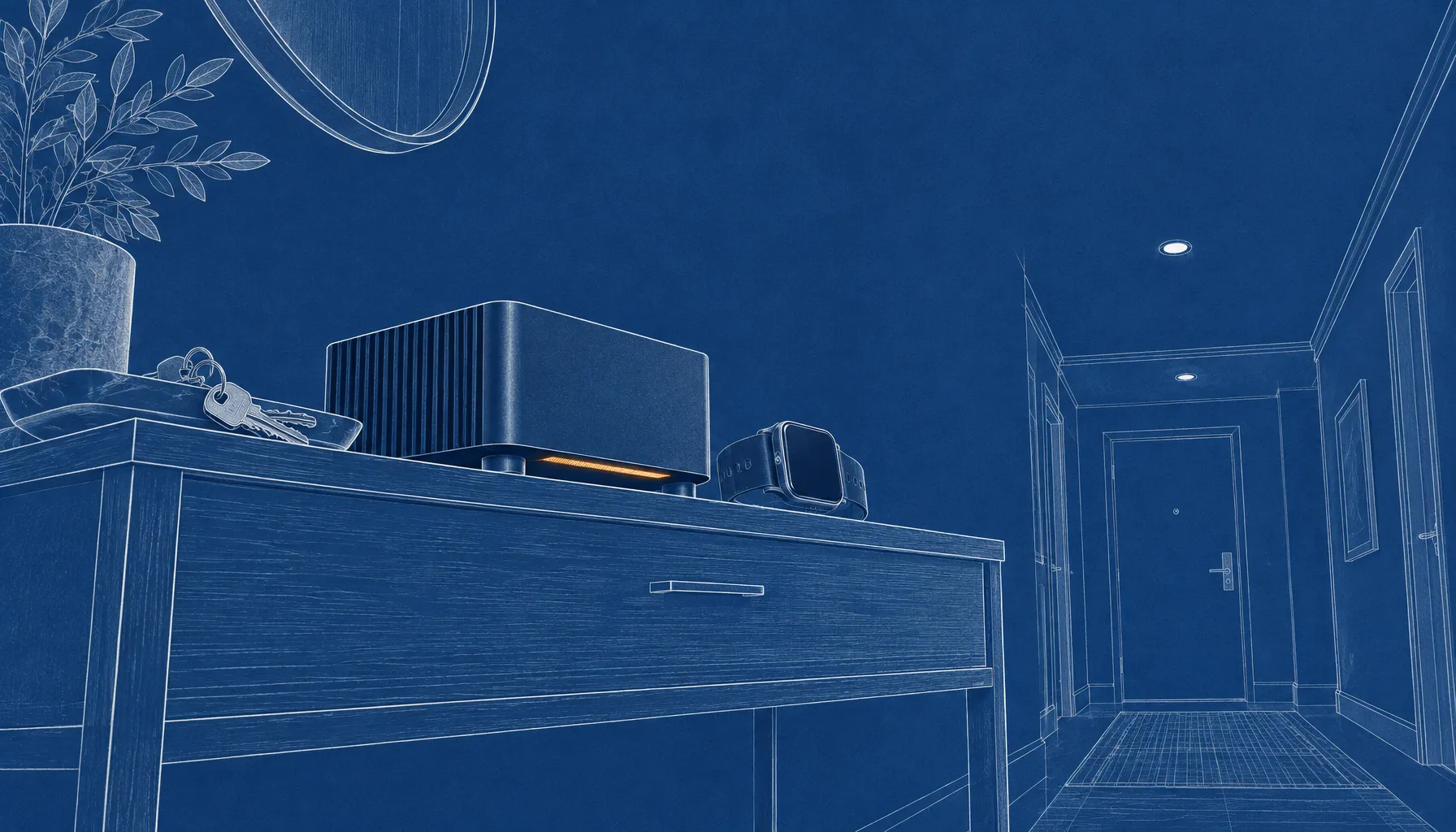
Ghost announced an $11 million seed round and emerged from stealth on October 5, 2026, after a year of development. Andreessen Horowitz led the round; Abstract, Audacious Ventures, SV Angel and Nova also invested. The company’s first product, Core, is a $3,499 personal computer built specifically to run AI agents.
At 19, Ghost founder Zain Javaid is pitching Core as a dedicated home for software that can take actions for users, not just answer prompts. “You can run models on existing hardware, but it’s a terrible experience on many levels,” Javaid, Core’s CEO, told TechCrunch. The price includes an Nvidia RTX Pro 4000 SFF Blackwell GPU, which the company says customers would otherwise need to obtain separately.
Core puts local models behind a phone app
Core has no screen; users interact with it through a phone or app, with voice input available in the app. At launch, Ghost said the computer would come with Qwen-3.8-Next, Qwen-3.8-27B and Gemma-4-31B installed. Users can also install other models from Hugging Face or load models they have trained themselves.
The product’s premise is to bring a person’s desktop information, apps and smart-home devices into one system that can keep working in the background. Ghost says Core can process information continuously and handle tasks without constant prompting. Javaid described its intended role as “a brain in a box,” with agents meant to build context about a user’s life and act as an assistant.
Privacy claims meet the risk of persistent access
Javaid said Core’s models and personal memory run on the device and that personal information is encrypted so cloud providers and third parties, including Ghost, cannot meaningfully access it. He also said users will control how much autonomy their agents have, and that the device is designed to keep functioning if Ghost shuts down. Those are company claims about the product’s operation, rather than independently established guarantees.
The same access that could make an assistant useful also gives it a potentially sensitive view of personal information and accounts. Ghost is building a firewall to restrict how an agent uses credentials such as logins and passwords. Javaid said it will monitor outgoing network requests, reject actions it flags as unauthorized data removal or other prohibited activity, and prompt users to review them.
Preorders open before the first planned shipments
Ghost said preorders for the first batch would open on October 5, with shipping planned for the last week of October. The company is assembling units at its San Francisco facility, according to Javaid. Core’s hardware and preinstalled models make the product more ready to use than a general-purpose computer configured for local AI, he argued, while distinguishing its software from the Mac Mini.
The launch puts a substantial price tag on a computer whose central promise is persistent, personal context. Whether Core can make that access feel useful without making users uneasy will depend in part on how its permissions and still-in-development firewall work in practice. The first planned shipments are less than a month away.