The Pulse
FCC Gives Intel One Year to Maintain Specified Fab Robots
The Federal Communications Commission granted Intel a one-year waiver covering specified automated guided vehicles at its U.S. semiconductor facilities. The decision allows defined maintenance and modifications while leaving the broader res
AI.info Team · Written with AI · fact-checked ·
Intel’s maintenance request meets FCC robot restrictions
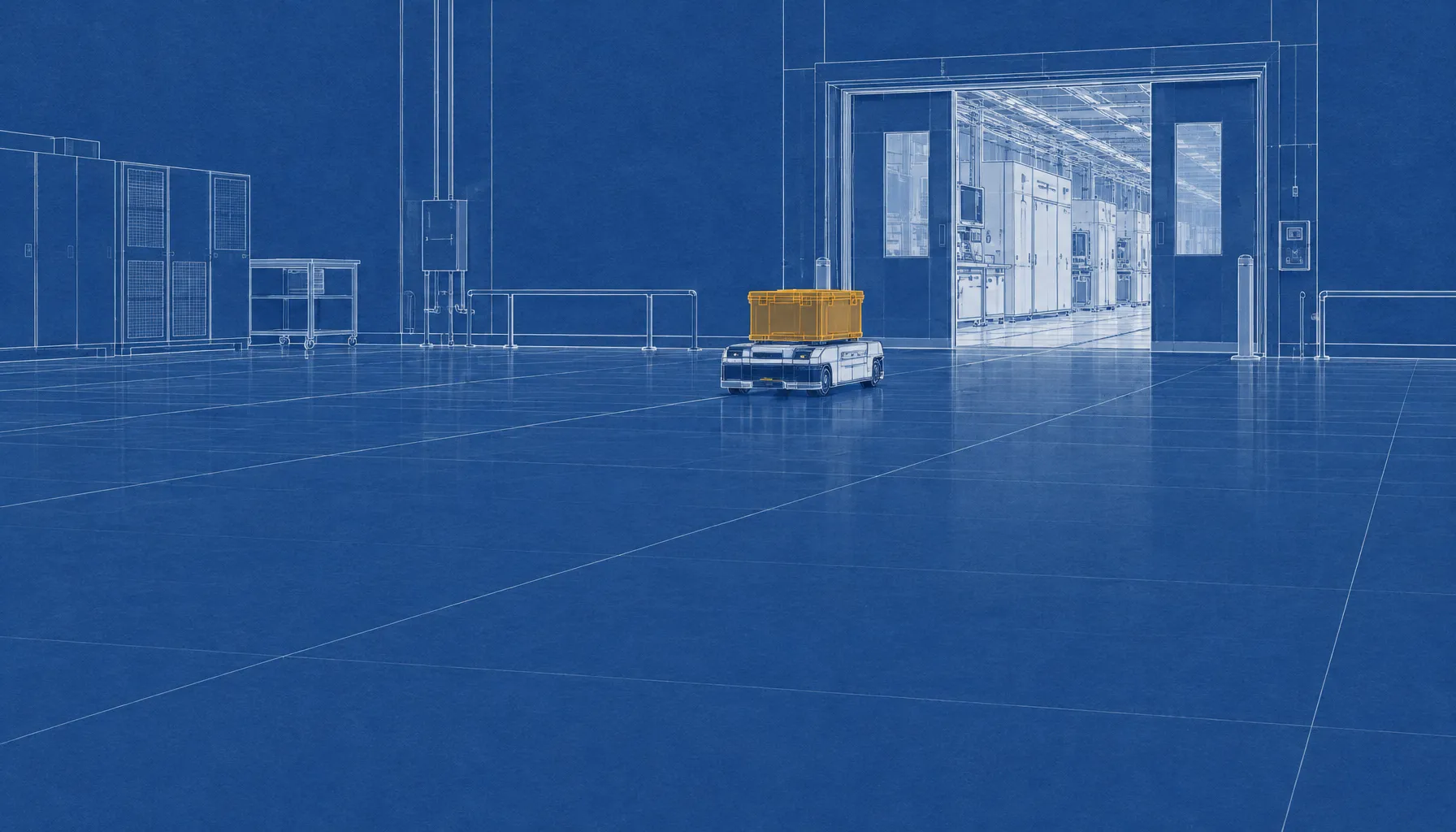
The Federal Communications Commission on October 22 granted Intel a one-year waiver covering specified automated guided vehicles (AGVs) used in its U.S. semiconductor facilities. The decision addresses whether changes to the vehicles might be restricted under rules affecting certain foreign-produced robotic devices. Intel sought relief while saying it was unclear whether its particular AGVs qualified.
The FCC added foreign-produced advanced robotic devices to its Covered List on July 28, 2026. The listing does not simply bar every existing foreign-made robot from use. Restrictions affect equipment authorizations and certain changes to covered devices; a separate FCC waiver allows some software and firmware updates through January 1, 2029. Intel sought relief as a precaution, according to the account of its request.
A year of relief for specified vehicles
The waiver covers Sections 2.932 and 2.1043 of the FCC’s rules for one year, allowing continued use and specified maintenance and modifications of vehicles identified in Intel’s filing. It is limited to those AGVs and the changes described in the request, rather than creating a general exemption for other foreign-made robots or manufacturers.
Reuters reported the FCC’s stated rationale for the decision. Reuters reporter David Shepardson wrote:
“The FCC said it would grant a one-year waiver of its rules in order to prevent ‘potential disruptions in the availability of domestic semiconductor manufacturing services for Intel’s customers.’”
The relief covers existing vehicles; an FCC official told Reuters that it would permit minor changes and would not involve replacing U.S.-made components with foreign-made ones.
Intel says replacement could take years
In its petition, Intel described the AGVs as important to its U.S. semiconductor manufacturing. The vehicles transport materials inside its semiconductor facilities and, according to the company, have been in operation for more than two decades. Intel told the FCC it had no proven domestic alternatives that met its operational requirements.
Intel also said sourcing and replacing the vehicles would take years and could disrupt manufacturing operations. The one-year waiver gives the company time to continue using and maintaining the specified vehicles, rather than determining that all such vehicles fall outside the Covered List. The precise vehicles covered are identified in Intel’s filing.
The waiver leaves the broader rule in place
The July Covered List action concerned foreign-produced advanced robotic devices. The October waiver is specific to Intel’s request and does not revise the underlying listing or provide the same relief to other manufacturers. Its scope is tied to the vehicles and changes described in the company’s filing.
That distinction matters for companies with existing mobile-robot fleets: continued use and maintenance can raise different regulatory questions from authorizing or importing a new model. For Intel, the immediate result is a one-year exception covering identified AGVs at its semiconductor facilities. The FCC’s stated rationale was avoiding possible disruption to domestic semiconductor manufacturing services for the company’s customers.