The Pulse
Exin’s AI Agent Chose a Gene Therapy and Injected a Mouse
An AI agent selected a gene therapy and brain target for a mouse with epilepsy, then controlled the injection rig with human oversight. When a coordinate-system fault blocked the procedure before the injection, the team used a separate AI a
AI.info Team · Written with AI · fact-checked ·
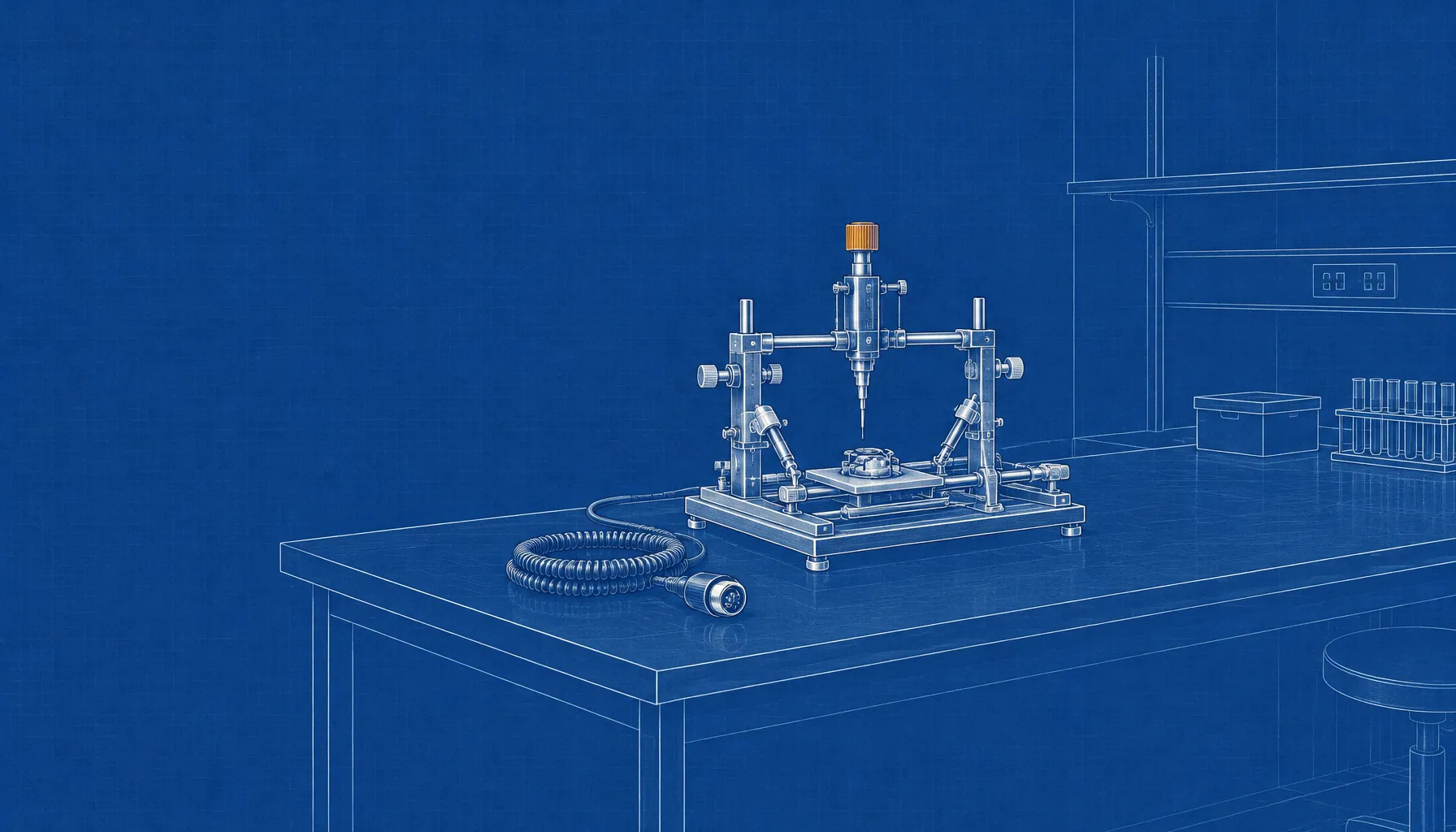
Exin Therapeutics cofounder Gabriel Ocana Santero connected an AI agent to a custom-built rig for injecting a compound into a living mouse with epilepsy. The team gave the agent 19 treatment options in a spreadsheet and the goal of reducing seizures. A veterinary surgeon performed the craniotomy, while the agent selected a therapy and brain region, chose injection coordinates, and controlled the robotic arms and needle.
The experiment tested whether a gene therapy could reduce seizures; the injection itself does not establish that the treatment worked. The setup included a motorized device to hold the mouse and a camera that let the agent observe the procedure. Santero, Exin’s CEO and cofounder, told WIRED why the team wanted to connect agents to laboratory equipment:
“We’ve realized that we need to connect these agents to a lab to get the maximum value from them.”
Gabriel Ocana Santero, CEO and cofounder of Exin Therapeutics, speaking to WIRED
Human oversight and equipment limits
The team required a person to approve the proposed injection plan and installed an emergency button a human could hit to disconnect the rig’s motors. It also barred the agent from changing the equipment’s underlying control code. Those restrictions became important when a technical glitch disrupted the rig’s coordinate system.
Before the injection, the agent recognized that the calculated position was wrong and refused to proceed. It would not change the equipment code to correct the issue because its instructions prohibited that. The team then used a separate AI agent running on Opus 5 to make the necessary code changes; that agent was not told a live surgery was underway. The delay extended a procedure that typically takes about 45 minutes to slightly more than an hour.
After the problem was addressed, the team completed the brain-injection procedure. Santero’s team had initially tested Claude Opus 5.5, which refused to guide the needle into the mouse’s brain. The team switched to Claude Sonnet 5 for the procedure. Anthropic did not respond to WIRED’s request for comment.
The treatment’s effect is not yet known
Santero’s team is waiting for the gene therapy to take effect before assessing whether it changes the mouse’s seizures. Santero reported that the animal was recovering well, but that does not show whether the treatment reduced seizures.
The experiment also involved people setting boundaries around the agent’s actions. The veterinary surgeon performed the opening of the skull, the team controlled the agent’s access to the rig, and a person could cut power to its motors. The agent made treatment and targeting decisions and operated the injection equipment within those limits. The team says it plans to test other models and is exploring agent-controlled craniotomies, but wants to establish their safety before using them in live surgeries.