The Pulse
DOJ Charges OpenAI Engineer Over Hidden Conference-Room Recorder
The Justice Department charged OpenAI engineer Abdulrahman Alfozan after a concealed audio recorder was found in a San Francisco office conference room. Prosecutors allege that a chatbot account linked to his spouse sought advice about buil
AI.info Team · Written with AI ·
“According to the complaint unsealed today, Abdulrahman Alfozan allegedly concealed a covert recording device inside his employer’s executive conference room to secretly capture sensitive communications about the company’s super intelligence technology,”
Kash Patel, FBI director
Arrest follows discovery at OpenAI’s San Francisco office
The Justice Department announced on October 13 that OpenAI employee Abdulrahman Alfozan, 35, had been arrested and charged with using or attempting to use a device to intercept oral communications. Alfozan, a Saudi national, was arrested on October 9 and made his initial federal court appearance on October 13. He had worked as an engineer at OpenAI since July 2025, according to the complaint described by prosecutors.
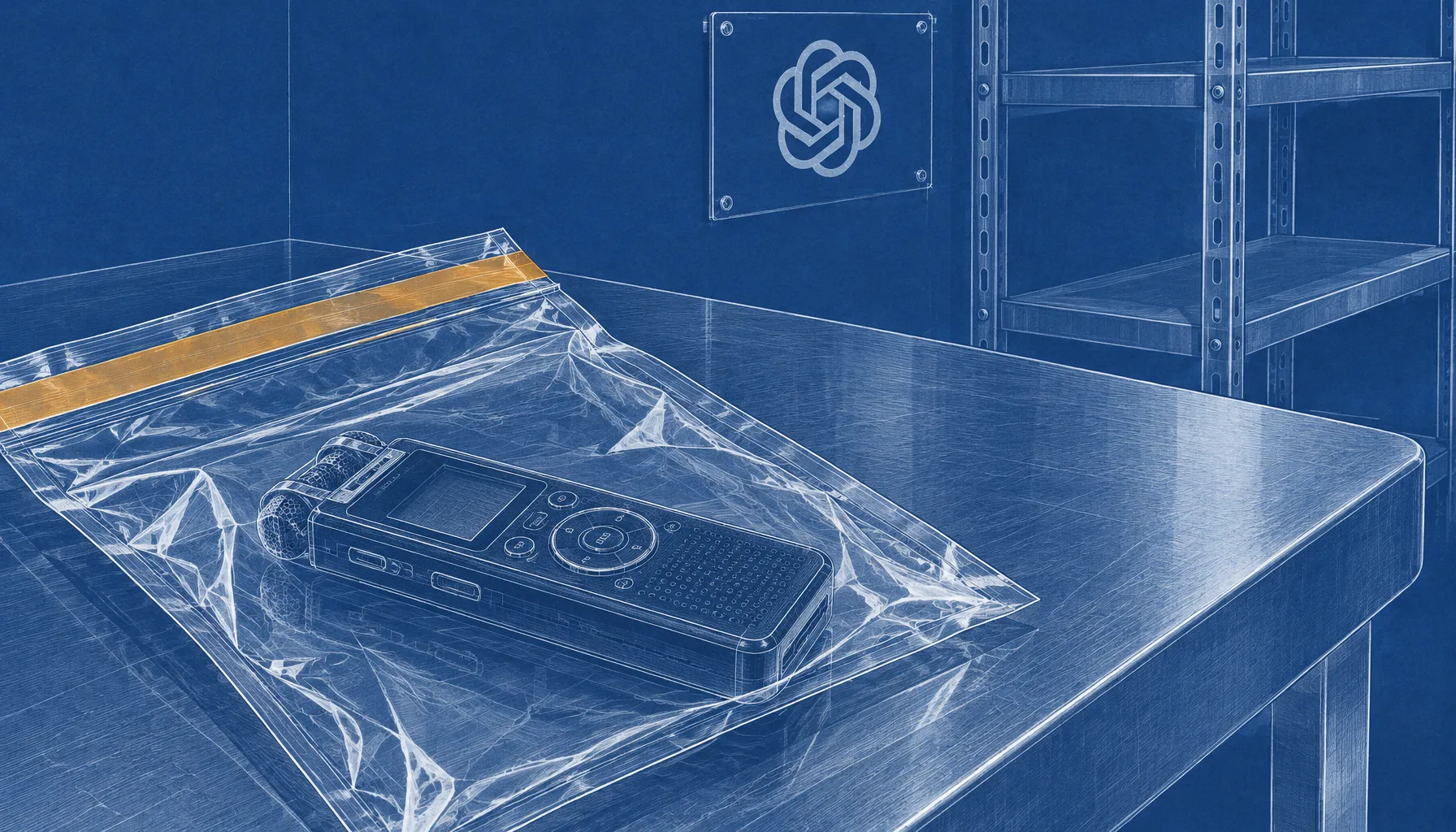
OpenAI personnel found the first device on or about September 30, inserted into a USB port on the back of a television in an executive conference room. The company determined that it had been placed around September 28 and concealed in toilet paper; its contents were encrypted. The Justice Department says the room was frequently used for discussions of confidential technical, commercial and strategic matters, including research, product plans and business-development opportunities.
Prosecutors cite office footage and chatbot prompts
According to the complaint, office surveillance footage showed Alfozan near the conference room on multiple dates before the device was found, despite his having no authority to enter the room or take part in meetings there. Prosecutors also say he used a productivity tool to ask about OpenAI building addresses, meeting rooms, room capacities and calendars, as well as locations for leadership and external-partner meetings. The Justice Department did not identify the productivity tool in its release.
A chatbot account associated with Alfozan’s spouse, which prosecutors say shared multiple identifiers and attributes with his own chatbot account, submitted prompts from September 24 through September 30 about building, installing, testing, concealing and remotely accessing a device. The release quotes requests about building a continuous audio recorder, customizing Wi-Fi connectivity, improving audio and live listening, and encrypting an SD card. The same account submitted prompts tied to the discovered recorder, including its custom header and unique MAC address, between September 27 and 28.
The complaint further alleges that on October 5 Alfozan entered the conference room and appeared to look behind the television where the recorder had been inserted. That day, OpenAI security personnel found an unattended bag in another room and opened it, prosecutors say. The bag contained Alfozan’s wallet and identification, along with a second recording device similar to the first.
The government alleges an attempted interception
Federal prosecutors charge Alfozan under a law covering the use or attempted use of an electronic, mechanical or other device to intercept oral communications. The complaint is an allegation, not a finding of guilt; the Northern District of California’s U.S. Attorney’s Office states that Alfozan is presumed innocent unless proven guilty beyond a reasonable doubt. The Justice Department release does not allege that a foreign government directed the conduct.
If convicted, Alfozan faces a maximum of five years in prison and a $250,000 fine, followed by three years of supervised release. Those are statutory maximums, not a prediction of a sentence; any sentence would be set by the court after considering federal sentencing rules. The FBI is investigating, and the next scheduled court appearance is a detention hearing on October 19.
What the release establishes—and what it does not
The allegations describe an attempted recording operation in a room used for sensitive company discussions, alongside searches for meeting information and technical advice about recording equipment. But the Justice Department’s account does not establish whether anyone accessed recordings, whether the device successfully captured conversations, or what motive prosecutors believe lay behind the alleged conduct. It also does not establish that any information reached a third party.
The distinction matters because the case remains at the complaint stage: prosecutors have laid out their account of the device, the digital prompts and the office footage, while a court has not determined guilt. For now, the next concrete step is the October 19 detention hearing in federal court in San Francisco.