The Pulse
China Central Bank Adviser Says AI May Deepen Weak Demand
Huang Yiping, a People’s Bank of China monetary policy committee member, warns that AI could widen the gap between China’s strong supply and weak domestic demand. He calls for higher household incomes, market reforms and central borrowing t
AI.info Team ·
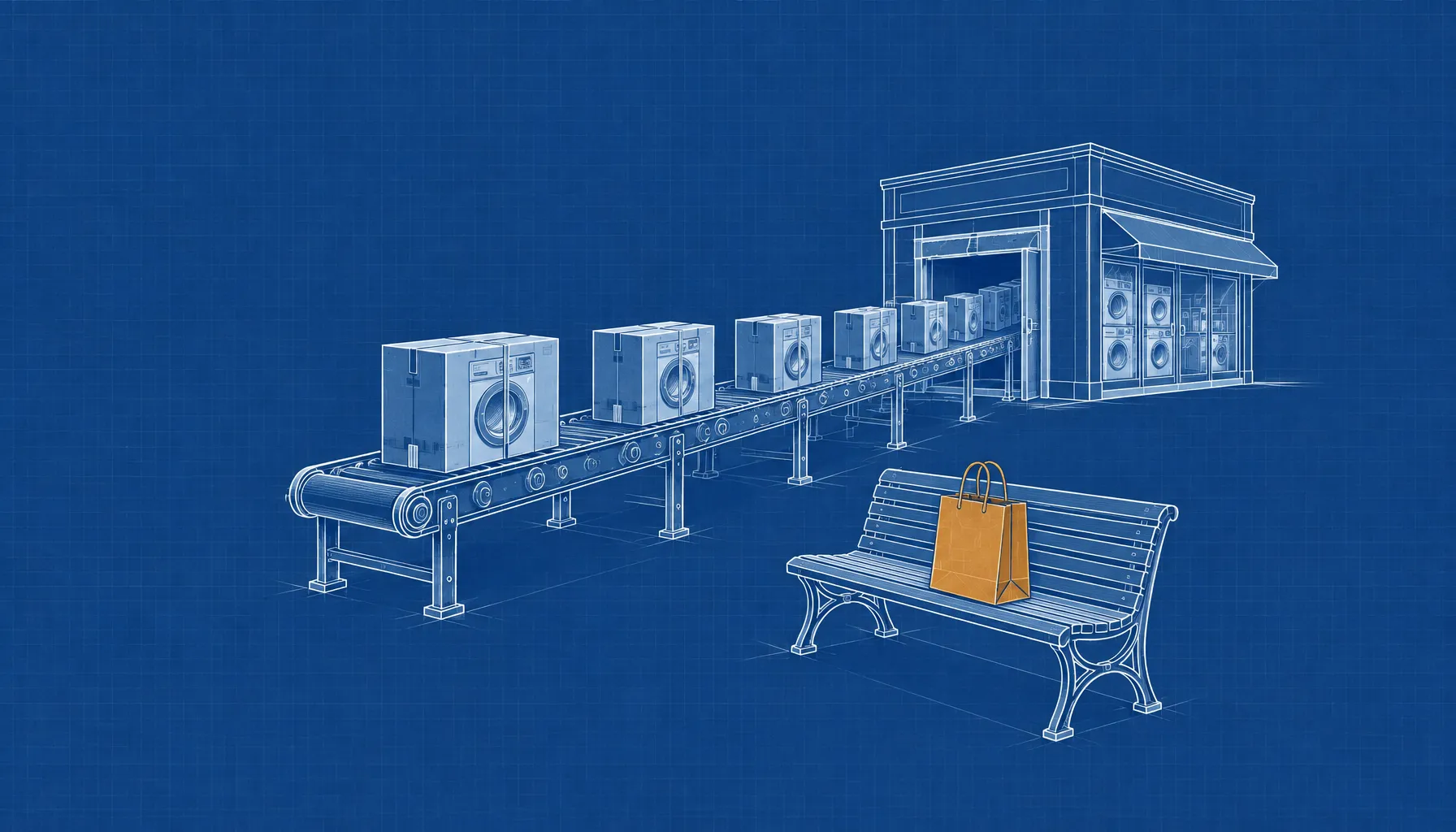
China’s artificial-intelligence push could make one of the country’s biggest economic problems harder to solve: factories and businesses producing more than households are willing or able to buy.
Huang Yiping, a member of the People’s Bank of China’s monetary policy committee, said on September 19 that wider AI deployment and faster innovation could deepen and prolong the imbalance between strong supply and weak demand. He spoke at the 2026 Tsinghua PBCSF Chief Economists Forum in Beijing, as policymakers try to revive consumption after a prolonged property downturn, pressure on local-government finances and cautious household spending.
“As AI is deployed more widely and innovation accelerates, the imbalance between strong supply and weak demand could worsen,” Huang said, according to Reuters’ report carried by MarketScreener.
AI may expand output faster than incomes
Huang’s warning rests on a straightforward economic risk. AI can raise productivity and expand the amount of goods and services an economy can produce, but the gains may not reach households quickly enough to support equivalent growth in consumption.
A transcript of Huang’s remarks published by Sina Finance says he linked the problem to income distribution. If returns from new technology flow mainly to capital rather than workers, household income could grow more slowly than productivity and output, leaving total demand behind total supply.
Huang compared the risk with the early effects of the Industrial Revolution, when sharp productivity gains did not immediately translate into higher worker incomes or better living conditions. His argument was not that AI should be rejected, but that its economic benefits may create a larger demand problem if distribution does not keep pace with production.
China’s domestic-demand problem predates AI
China has spent years trying to reduce its dependence on investment and exports while encouraging households to spend more. The property slump has weakened confidence, local governments face debt pressures and consumers have remained cautious, leaving policymakers with fewer reliable sources of domestic growth.
Huang identified three structural features behind China’s economic imbalance: a high savings rate, the large role of local governments in economic activity and surplus labor in the workforce. He said expanding demand remains the fundamental route to a more balanced economy, even though data from 2018 through 2025 suggested that investment, rather than consumption, was the marginal driver of the country’s widening external imbalance.
The distinction matters for AI policy. Investment in data centers, industrial equipment and technology can lift production and exports before it produces broad gains in household purchasing power. A global AI boom has already supported Chinese exports this year, cushioning weak domestic demand, Reuters reported, but export growth does not by itself resolve the gap inside the domestic economy.
Huang calls for income growth and market reform
Huang said China should give markets a larger role in allocating resources and increase the share of national income received by households. Higher household income would give consumers more capacity to spend, while market reforms could reduce incentives that direct capital toward additional production without enough demand behind it.
He also argued that China should deepen overseas investment and industrial cooperation rather than relying only on exports. The recommendation comes as the United States and other trading partners accuse Beijing of allowing excess industrial capacity to push cheap goods into foreign markets. Moving more investment and production into overseas operations could ease some pressure on China’s domestic economy, although it would not replace stronger household demand.
Why balance-sheet repair is part of the answer
Huang proposed that the central government borrow more to repair the balance sheets of local governments, financial institutions and companies. His reasoning is that entities weighed down by debt or depleted finances cannot respond fully to conventional stimulus.
“Without restoring the capacity of these entities to undertake new economic activity, stimulus policies would have limited effect,” Huang said, according to Reuters.
The proposal does not include a specific borrowing target or timetable. It does, however, point to a policy problem that interest-rate cuts alone cannot address: weak demand is tied to the financial condition of the institutions, companies and households expected to spend or invest.
AI policy now carries a demand test
China’s AI investment can strengthen industrial capacity, technology exports and productivity. Huang’s warning is that those gains may intensify the economy’s existing imbalance if they raise output faster than wages, employment or household confidence.
That leaves policymakers facing two linked tasks. They must support the technology industries that can raise productivity while also increasing household income and repairing the balance sheets that determine whether consumers, companies and local governments can participate in the next phase of growth.
For Huang, the immediate issue is not whether AI can produce more. It is whether Chinese households will receive enough income from that additional production to buy it.