The Pulse
BYD’s Humanoid Robot Appears in a Design Patent, Not a Launch
A Chinese design patent published on October 9 shows the black-and-white exterior of a humanoid robot owned by BYD. The filing describes possible service, education and industrial uses, but does not confirm that the design is the company’s
AI.info Team · Written with AI ·
BYD’s humanoid robot has a public design, but not a confirmed product launch. China’s National Intellectual Property Administration made public a design patent for a BYD-owned “embodied intelligent robot” on October 9; BYD has not confirmed that the patent depicts the final version of its previously teased robot, Xiao Di. The distinction matters: patent drawings show appearance, not whether a machine is ready for production or what it can do in practice. CarNewsChina reported the patent disclosure, while The Paper’s report identifies October 6 as the patent’s authorization date.
A patent gives BYD’s robot a visible form
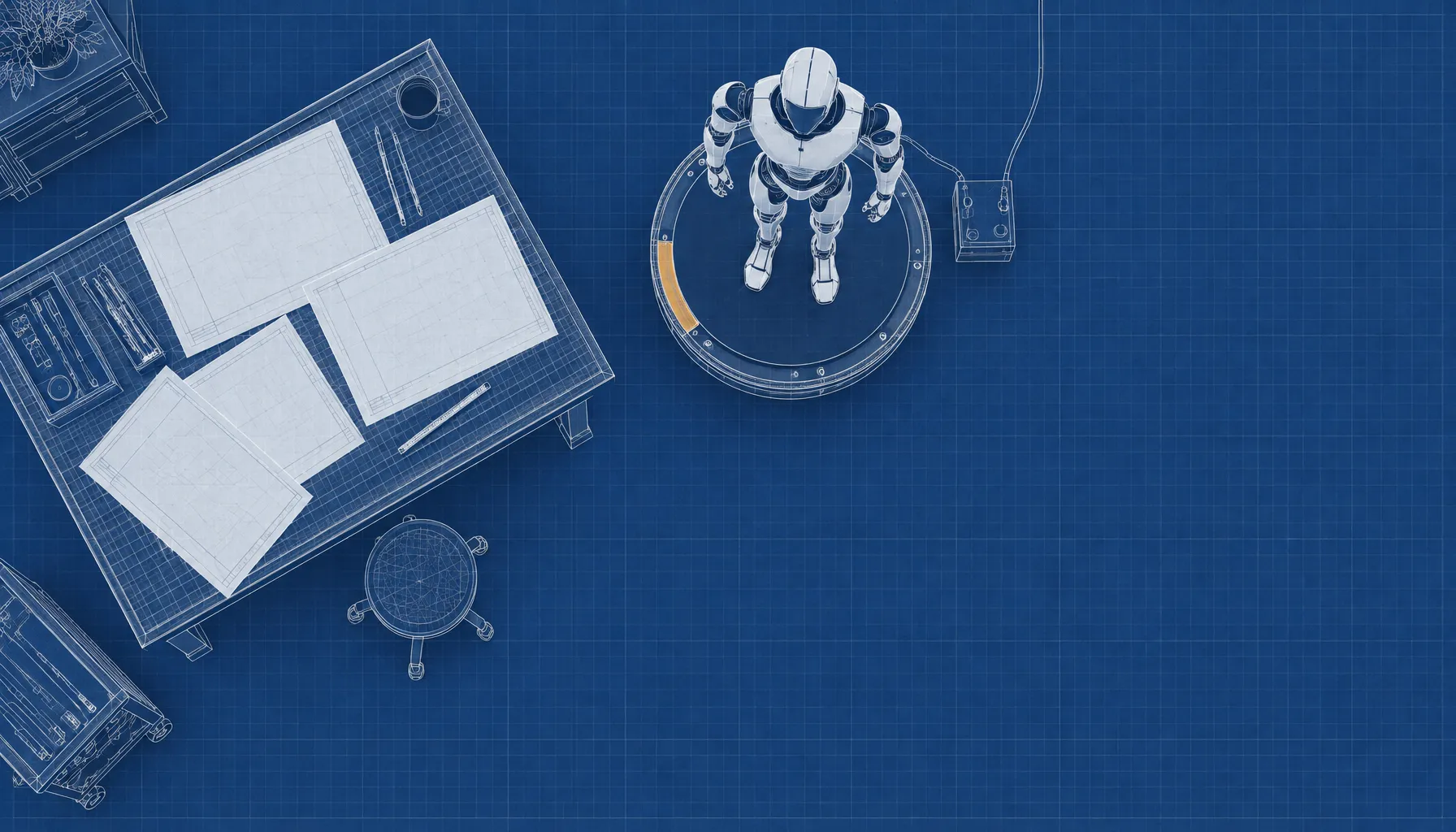
The patent drawings show a humanoid with a rounded head, a black-and-white body and articulated joints across its torso and limbs. The head has no prominent display, and the visible structure around the shoulders, elbows, hips and knees gives the design a distinctly mechanical look. The filing is numbered CN310247768S and names BYD Company Limited as the patent holder, according to The Paper.
The patent brief describes the design as an intelligent robot with walking, balance and interaction functions, and lists service, education and industrial settings as possible applications. Those descriptions indicate intended uses, not verified performance in any of those environments. The filing does not provide a test record or establish that the pictured robot can perform the tasks associated with those settings.
Xiao Di remains an unconfirmed match
The drawings resemble the humanoid BYD has previously teased under the name Xiao Di, but CarNewsChina says the company has not confirmed whether the patent design is that model’s final production form. That leaves a gap between the visual evidence in the filing and the identity of a finished product. The patent reveals a BYD design; it does not, on its own, establish a launch or deployment.
BYD had publicly acknowledged work on humanoid robots before the patent became public. In June, executive vice president Li Ke discussed the company’s development plans and the possibility of using BYD’s dealer network if the robots eventually became household products. CarNewsChina’s June report said Li did not provide a commercialization timeline, technical specifications or production targets.
The disclosure stops short of a product roadmap
The patent gives BYD’s robotics effort a concrete exterior and a broad set of proposed settings, but leaves basic product questions unanswered. It does not specify the robot’s control system, operating limits, manufacturing schedule, price or production volume. Nor does the patent confirm how or when BYD might use a humanoid in its stores or factories.
For now, the firmest new information is the design filing itself: an eight-view patent record for a BYD-owned robot, authorized October 6 and made public three days later. The filing does not confirm that the robot is Xiao Di or establish when any model will reach customers.