The Pulse
Bedrock Robotics Seeks $600M at $3.5B Valuation
Bedrock Robotics is seeking $600 million in Series C funding at a reported $3.5 billion pre-money valuation. The autonomous construction startup is pitching its technology to meet demand for new data-center construction.
AI.info Team · Written with AI ·
Bedrock Robotics is seeking $600 million in Series C funding at a reported $3.5 billion pre-money valuation, according to an Axios Pro report published October 13. The proposed valuation would be twice the figure attached to its February financing. The company develops autonomous technology for construction vehicles, and Axios says it is pitching the fundraising around demand for new data-center construction.
A $600 million target, not a completed round
Axios describes the financing as a raise in progress, not a closed deal. Its report says Bedrock is seeking a $3.5 billion pre-money valuation, meaning before the new investment is added, and characterizes that as a twofold increase from February. The report does not name prospective investors or say whether a lead investor has committed.
In February, Bedrock announced a $270 million Series B co-led by CapitalG and Valor Atreides AI Fund, with participation from Xora, 8VC, Eclipse and other investors. The company said that round valued it at $1.75 billion and brought its total funding to more than $350 million. The reported Series C target would therefore exceed the size of that earlier raise, but it remains a financing target rather than announced proceeds.
Retrofitting machines, not replacing them
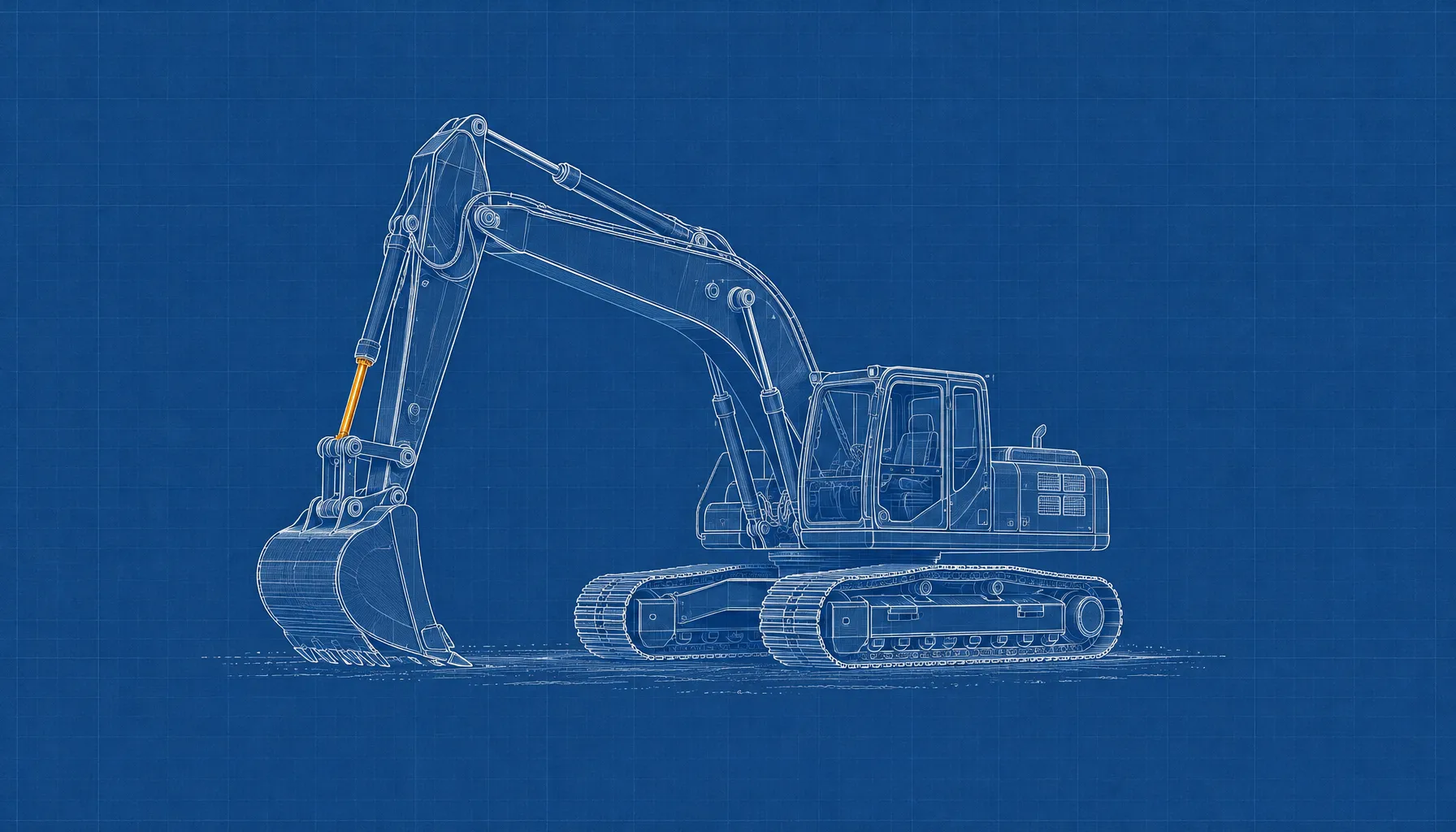
Bedrock’s approach is to add autonomous systems to construction equipment already in service. The company says its Bedrock Operator combines sensors, computing hardware and software to retrofit machines such as excavators, bulldozers and loaders, rather than requiring contractors to buy purpose-built autonomous vehicles. Its stated goal is to let fleets handle work with less direct operator control while crews continue to oversee jobs and equipment.
The company’s earlier field work offers a measure of what it has tested so far. In a November 2025 announcement, Bedrock said it was conducting supervised autonomy work with Sundt Construction on site preparation for a 130-acre manufacturing facility. It said the system had moved more than 65,000 cubic yards of material by loading dump trucks driven by human operators—an important distinction from a fully unattended excavation operation.
Data-center construction is the stated pitch
Axios ties the proposed financing to a backlog of new data-center projects, where contractors need to prepare sites and move large volumes of earth. That demand gives Bedrock a specific commercial target: deploying autonomy on equipment used in large construction jobs, rather than selling a general-purpose robot. The company has previously listed data centers among the settings where contractors are exploring its systems.
Bedrock’s chief executive, Boris Sofman, described the labor constraint in the company’s February funding announcement: The construction industry is being asked to build more than it can deliver. The quote accompanied the Series B announcement, not the newly reported Series C effort. The company’s February release said Bedrock planned its first fully operator-less excavator deployments with customers during 2026; neither that release nor Axios’s account establishes whether those deployments have since occurred.
Field deployment remains the test
The reported valuation rests on a business still moving from supervised job-site trials toward more autonomous machine operation. Bedrock’s public materials describe partnerships and fleet ambitions, while its disclosed construction-site example involved human-driven trucks and supervised excavation. How quickly contractors adopt the systems—and whether Bedrock can turn trials into repeat deployments—will shape whether the proposed financing matches demand on active sites.
For now, the concrete financing details are the $600 million target and the $3.5 billion pre-money valuation, both reported by Axios on October 13. The company has not announced the Series C, and the report does not identify its prospective backers.