The Pulse
Astera Labs Unveils Orion Rack Design for Up to 160 AI Accelerators
Astera Labs announced Orion, a modular rack-scale reference architecture that lets neoclouds and enterprises choose GPUs and CPUs from different suppliers. The company says the PCIe-based design can scale to 160 accelerators per pod, with s
AI.info Team · Written with AI ·
“We’re entering a new era of AI inference, where operators are judged on the tokens they deliver per dollar, not the hardware inside their racks,”
Pravin Patel, vice president and general manager of the AI Platform Solutions Group at Astera Labs, in the company’s announcement
Orion separates the rack from the chip choice
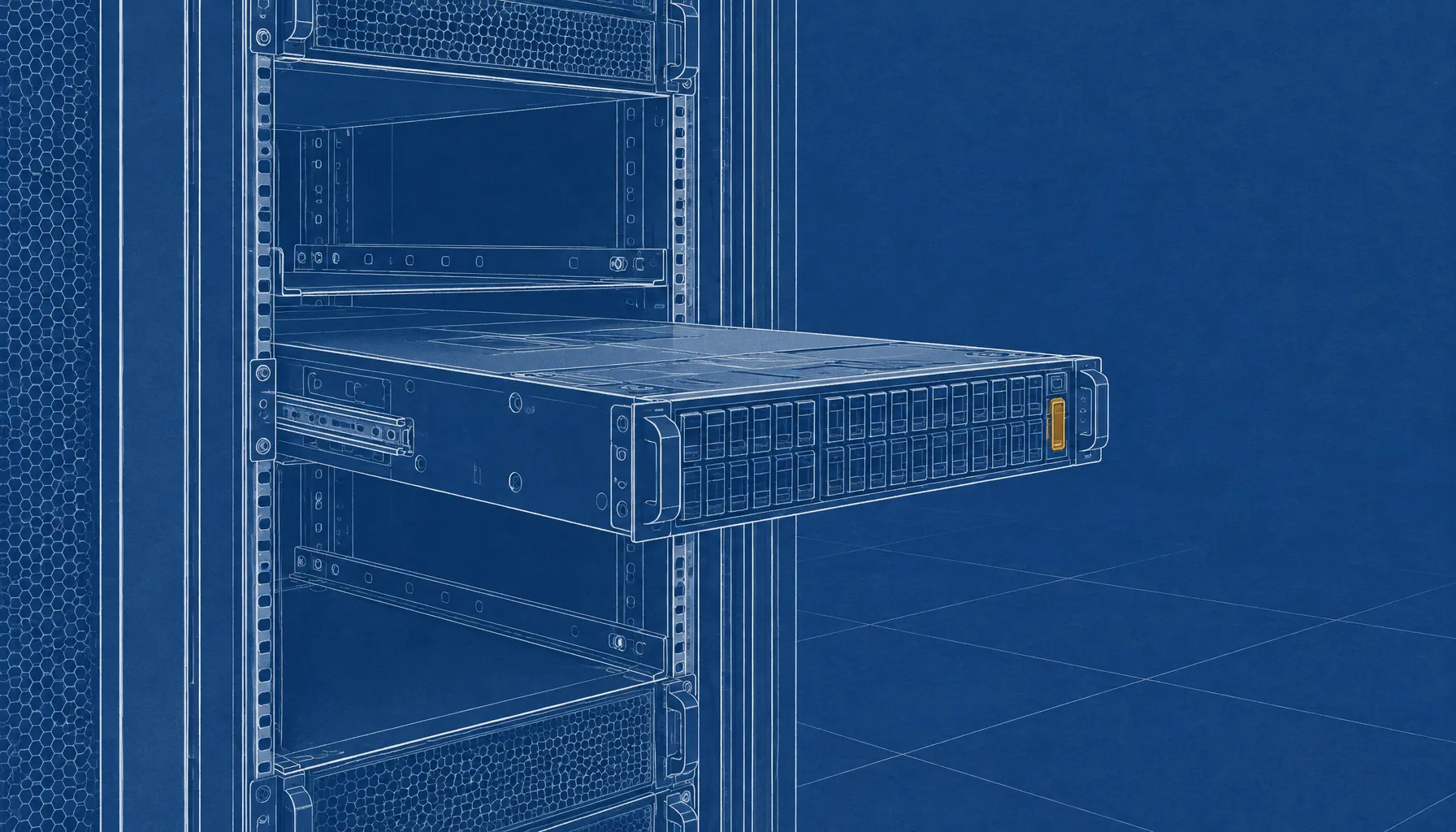
Astera Labs announced Orion on October 12, 2026, as a modular reference architecture for AI inference racks. The design is intended to let cloud providers and enterprises select GPUs, other accelerators and CPUs according to availability, cost and workload, rather than committing the rack to one compute platform. Astera says customers can change those choices without redesigning the rack.
The announcement targets two problems the company identifies for inference operators: securing affordable compute capacity and reducing the integration work required each time a new accelerator platform is introduced. Astera argues that tying an early infrastructure investment to a single accelerator can add cost and supply risk. Its proposed alternative is a common rack architecture, with compute provided through PCIe plug-in cards and assembled through manufacturing partners.
Six designs span trays, boards and the full rack
Orion is made up of six production-grade reference designs: a rack, compute tray, fabric tray, memory tray, link board and compute board. Astera says the designs are intended to reduce integration and testing work for original design manufacturers and original equipment manufacturers. The company supplies the architecture and validates its subsystems; it does not plan to build and sell the complete racks itself.
The system’s scale-up fabric uses a 320-lane PCIe switch design, with Astera describing configurations from eight to 160 accelerators per pod. Its product information identifies PCIe 6 as the rack’s scale-up architecture. A fabric-attached memory tray is intended to expand memory capacity and support key-value cache offload near GPUs, while the compute and link boards carry connectivity across components and trays.
Astera’s COSMOS Rack Manager and COSMOS Fabric Manager software handles system management, telemetry, diagnostics and fabric control, according to the company. Orion’s stated performance aim is to help accelerators deliver more tokens per second on inference workloads; the announcement does not provide benchmark results or quantified comparisons to existing racks. That distinction matters: the release describes the design’s intended benefits, not measured performance in customer deployments.
OEM and ODM partners are expected to sell the systems
Astera says Orion racks and system designs are on track to become available through OEM and ODM partners beginning in the first quarter of 2027. Customers will choose their compute, then work with a partner to buy a complete rack or individual Orion systems. The company plans to show a powered rack with interchangeable, pre-validated compute trays at the Open Compute Project Global Summit, running October 12–15 in San Jose.
The partner-led model makes Orion a reference architecture rather than a single finished product from Astera Labs. That gives customers a stated path to mix compute vendors, but it also leaves system delivery and the availability of particular configurations dependent on partners and component supply. Astera’s announcement presents flexibility and inference cost as the design’s goals; adoption, pricing and real-world performance remain unproven at launch.