The Pulse
Anthropic Confirms Bay Area Wet Lab for Biology Experiments
Anthropic confirms it operates a Bay Area wet lab for physical biology experiments involving its AI systems and external partners. The company says the facility focuses on fundamental biology rather than drug discovery, as it expands Claude
AI.info Team ·
“We believe that to do biology, the final test is still, and will be for a while, in real lab work.”
Eric Kauderer-Abrams, head of life sciences, Anthropic
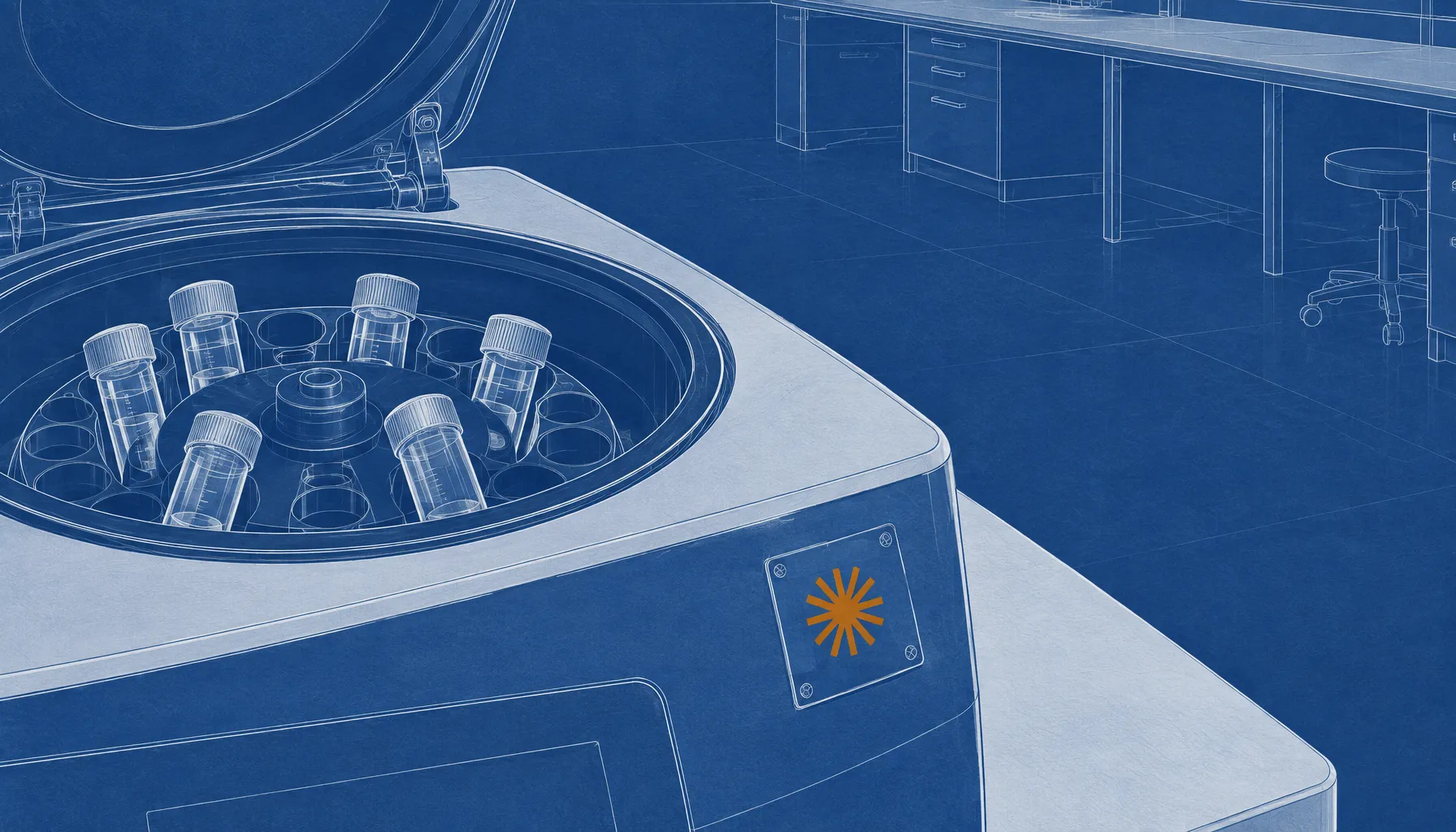
Anthropic confirms it operates a wet biology lab in the San Francisco Bay Area, giving the AI company a physical setting in which to test biological ideas rather than relying only on computer simulations. The company says its researchers conduct some work in-house and use external partners for other experiments.
Eric Kauderer-Abrams, Anthropic’s head of life sciences, confirmed the lab in an interview with Reuters, saying the company is already conducting real laboratory work. TechCrunch reported the confirmation on September 18, 2026, after Anthropic declined to describe the facility’s projects in detail.
Anthropic Draws a Line Between Biology and Drug Discovery
Anthropic says the lab’s main focus is fundamental biology, not drug discovery specifically. A company spokesperson declined to elaborate, a distinction that reflects Anthropic’s effort to sell AI tools to pharmaceutical companies without appearing to compete directly with them.
“We absolutely are doing that today,” Kauderer-Abrams told Reuters, describing an approach in which Anthropic carries out some research in its own facilities while working with outside partners on other projects. He said the company’s goal is to understand where physical experiments can move faster when managed internally.
Anthropic has not identified the diseases, molecules or biological systems being studied at the lab. It also says it is not running clinical trials and is concentrating on work that established pharmaceutical companies may not consider financially attractive.
Claude Moves From Biological Models to Physical Tests
The facility gives Anthropic a way to connect its software research with experimental results. The company has been building Claude into a system that can assist with biology tasks, including protein design, biomolecular modeling and the operation of laboratory equipment.
In a September 17 research post, Anthropic said Claude optimized more than 30 open-source biological models in under four weeks, producing an average speed increase of roughly four times while sacrificing little precision. The company also said it had developed a low-memory mode for predicting larger biomolecular systems on a single NVIDIA GPU node. The post did not say that those experiments took place in Anthropic’s own wet lab.
Anthropic is also co-sponsoring a protein-design competition with Adaptyv Bio. The program includes up to $1 million in Claude credits, $250,000 in Modal compute credits and wet-lab validation for more than 5,000 submitted designs. Those experiments will be conducted with Adaptyv and other partners rather than described as work inside Anthropic’s facility.
A New Lab Sits Beside Tighter Biology Controls
The physical lab arrives as Anthropic expands access to its models for vetted life-science organizations. On September 17, the company launched the Life Sciences Verification Program, a beta program that provides approved teams with access to Mythos, Opus and Sonnet models under biology safeguards that are more permissive than those on generally available models.
Anthropic says dozens of organizations had joined an early-access version before the public beta opened. Applicants must undergo reviews of their research credentials, security practices and ethical oversight. The program covers academic laboratories, startups, pharmaceutical companies and other life-science groups.
Anthropic separates ordinary biology work from projects it classifies as higher risk. High-risk grants apply to individual research projects, require additional vetting and are renewed every six months. The company says it monitors usage against the work described in each organization’s application and retains data associated with flagged activity for 30 days.
Coefficient Bio Acquisition Added Biological Expertise
The wet lab follows Anthropic’s April acquisition of Coefficient Bio, a stealth AI biotechnology company. Anthropic confirmed the purchase but did not disclose the price. TechCrunch reported that the acquisition supports tools for drug development and adds to the company’s growing life-sciences operation.
Anthropic has also recruited Novartis CEO Vas Narasimhan to its board and launched Claude Science, a software environment aimed at scientific research. Its customers and partners include major pharmaceutical companies such as Genentech, Bristol Myers Squibb and Novo Nordisk, according to Reuters.
That combination creates a boundary problem for Anthropic. The company wants firsthand experience with biology while assuring pharmaceutical customers that their research data will not inform competing programs. Kauderer-Abrams said Anthropic is not competing with companies whose business is bringing drugs to market.
Human Oversight Remains Part of the Plan
Reuters reported that Anthropic wants Claude to direct robotic laboratory systems with limited human intervention. The company says human oversight remains necessary for safety, and Kauderer-Abrams described automated laboratory execution as being at an early stage.
The timing puts the project alongside Anthropic’s warnings about biological misuse. The company has recently described attempts to use its models for work that could support biological weapons development, while also expanding access for legitimate researchers. Its own verification program identifies agent misuse, insider threats and compromised accounts as risks that require monitoring.
Anthropic’s wet lab therefore serves two purposes: it gives the company a place to test how AI can support physical biology, and it forces the company to apply its safety rules to work happening under its own roof. For now, the firm has disclosed the lab’s existence, its Bay Area location and its broad research focus, but not the experiments themselves.