The Pulse
Aimbient says Stanford-led study found no significant gap between AI and manual OR timestamps
A Stanford-led study compared AI-generated operating-room entry and exit times with manually recorded timestamps. An earlier Stanford research abstract reported detailed accuracy results from a shorter evaluation.
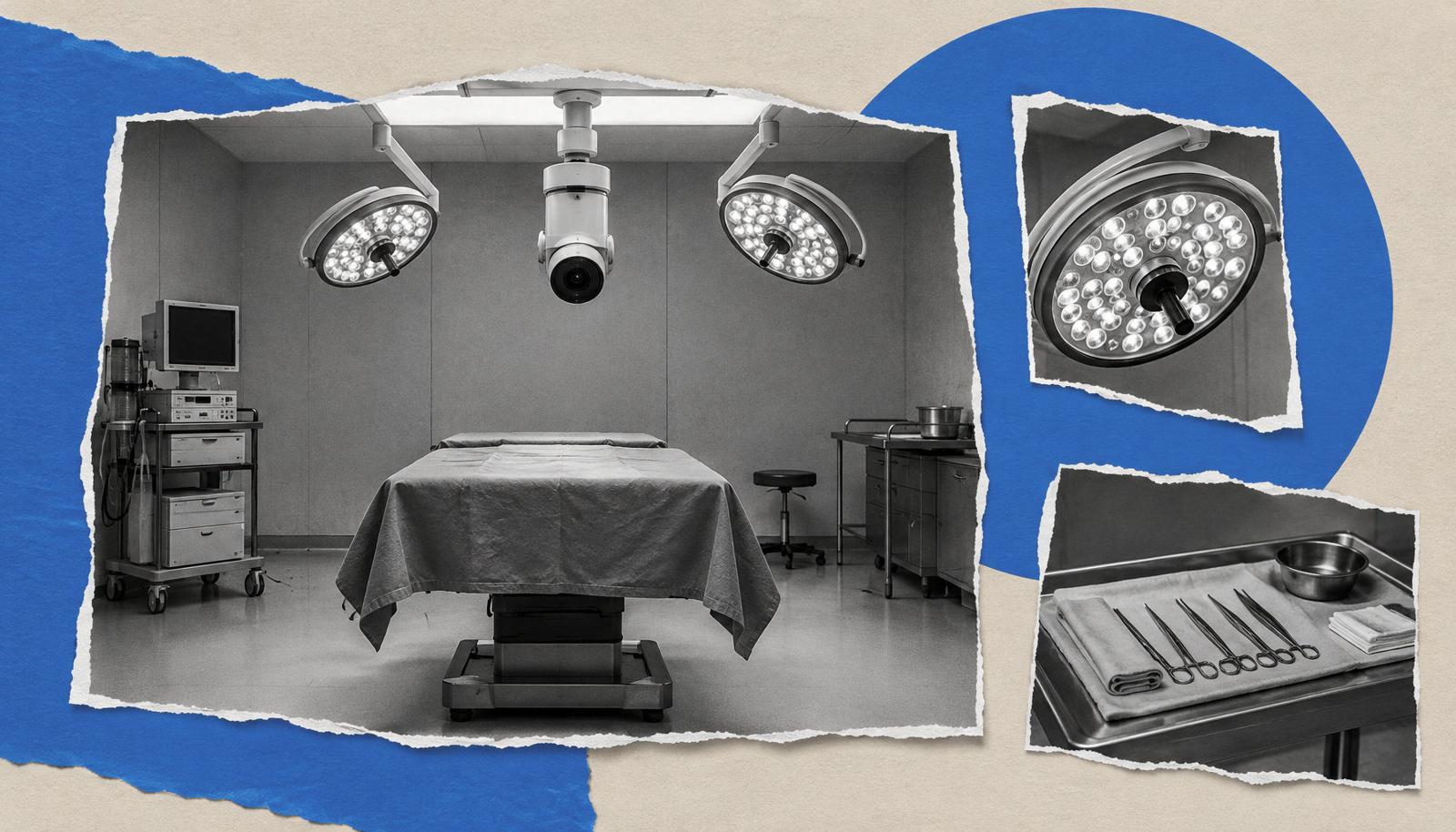
An AI system produced operating-room entry and exit timestamps with no statistically significant difference in accuracy from manual records across seven surgical service types, according to its maker, Aimbient. The company said the independent study was led by Stanford Medicine researchers and published in JAMA Surgery.
The test focused on when patients entered and left a room, rather than on the full surgical record. Aimbient said researchers checked both the automated and manual timestamps against blinded human review of video.
Testing timestamps
The eight-month study ran continuously across 14 operating rooms and one procedure room at Stanford Health Care. The system used computer vision in real time to detect patient entry and exit.
Researchers compared those detections with timestamps entered by staff and used the video review as their reference. The study included every surgery performed in the study rooms, spanning general, vascular, transplant, urologic, gynecologic and orthopedic surgery, according to the company.
Aimbient said human accuracy declined during overnight shifts and long transplant cases, while the automated system remained resilient to documentation fatigue. Finding no statistically significant difference in the overall comparison does not itself establish that the methods were identical.
Earlier Stanford results
A separate Stanford research abstract by lead author Chloe Nobuhara and colleagues described a shorter evaluation of the same kind of automated timestamping. It analyzed 7,636 cases over three months at an academic medical center and compared manual records, computer-vision timestamps and electronic health record metadata with human video annotations for 290 cases.
In that evaluation, mean absolute error measured the average difference between a timestamp and the corresponding video annotation. For patient entry, the abstract reported errors of 26.8 seconds for computer vision and 24.6 seconds for manual records, with a p-value of 0.71. For exit, the respective errors were 27.3 seconds and 23.0 seconds, with a p-value of 0.07.
The authors also reported delays between the events and manual documentation: 6.0 minutes for entry and 5.2 minutes for exit. Manual timestamp accuracy declined during overnight shifts and transplant cases in that evaluation.
Documentation and deployment
The earlier abstract estimated that automating this timestamp documentation would reduce the task burden by approximately 2,170 clicks and 1.8 nursing hours per room per year. Those figures were an estimate of the potential reduction, not a measured saving reported in the abstract.
Lead author Nobuhara, a Stanford Medicine general surgery resident, said the work showed that computer vision could extract data from an operating-room environment. The company said its system records the timestamps as events occur and that more timely records could support scheduling, operational reporting and capacity decisions.
Aimbient was formerly known as Surgical Safety Technologies. The company says its broader platform is deployed in 650 surgical and procedural rooms and includes tools for schedule forecasting, real-time tracking and performance assessment.
Sources
Related stories
- Dyania and Nvidia team up on clinical AI inside hospital networks
- Pew Brief Revisits Americans’ Unease With Healthcare AI
- Credo Health buys Affineon and relaunches as Pajama.ai
- FDA clears Bracco and Avicenna.AI aneurysm imaging software
- GoodRx connects prescription prices to Gemini for healthcare preview